
Last updated November 23, 2026
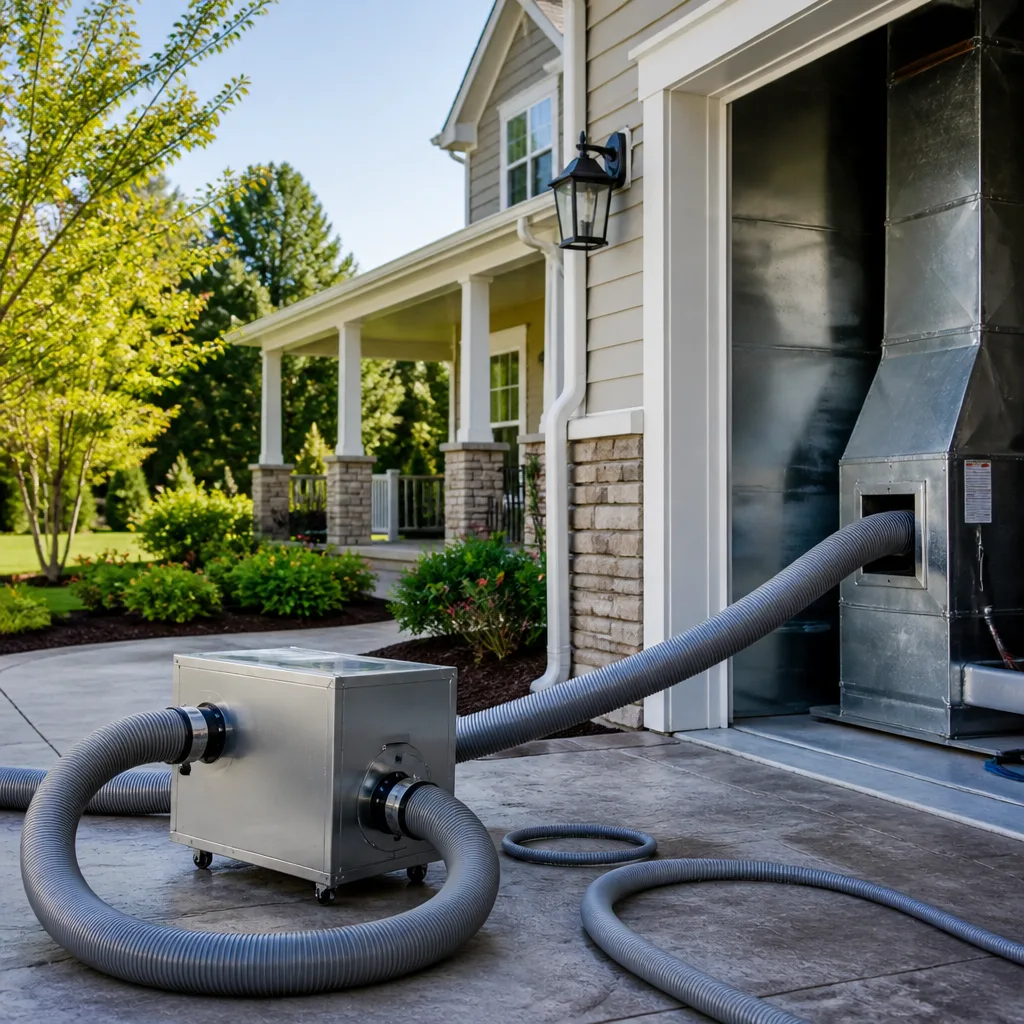 Whole-home duct cleaning
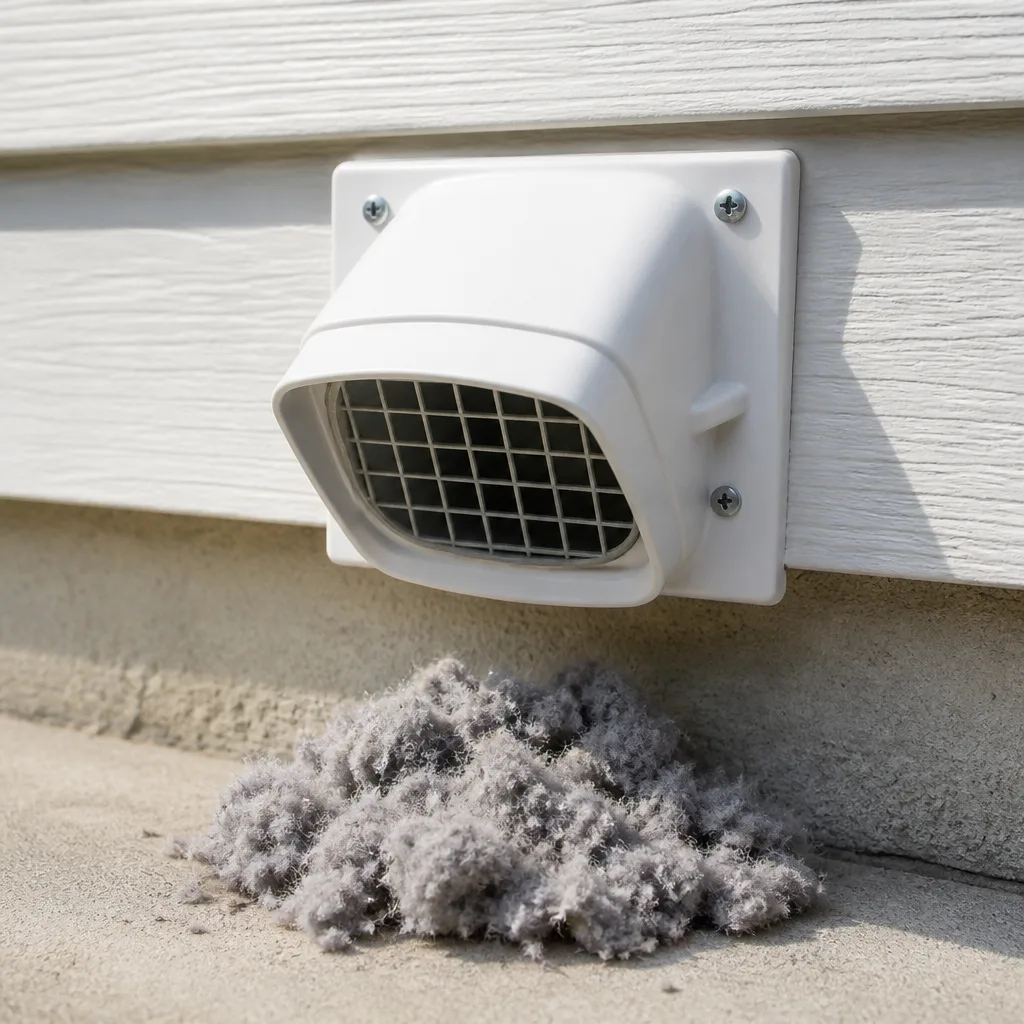 Dryer vent cleaning
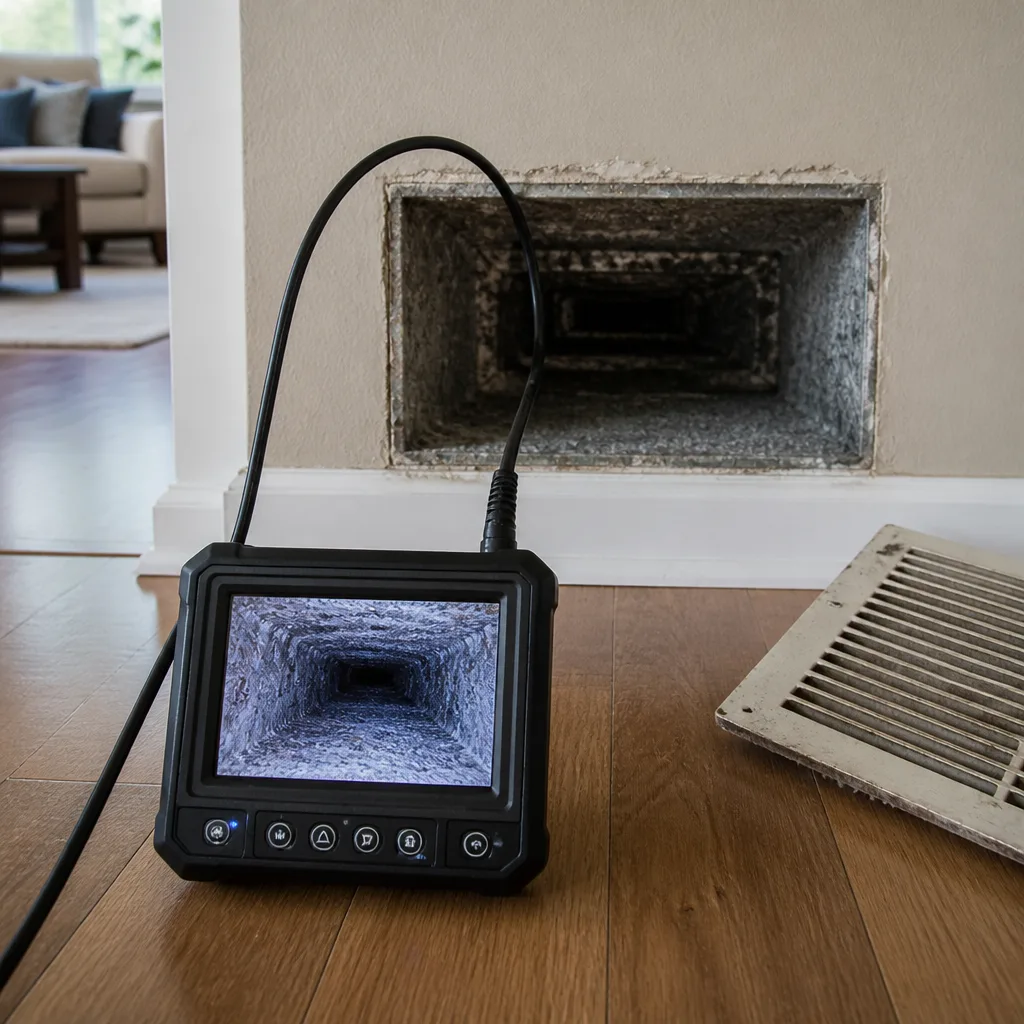 Camera inspection
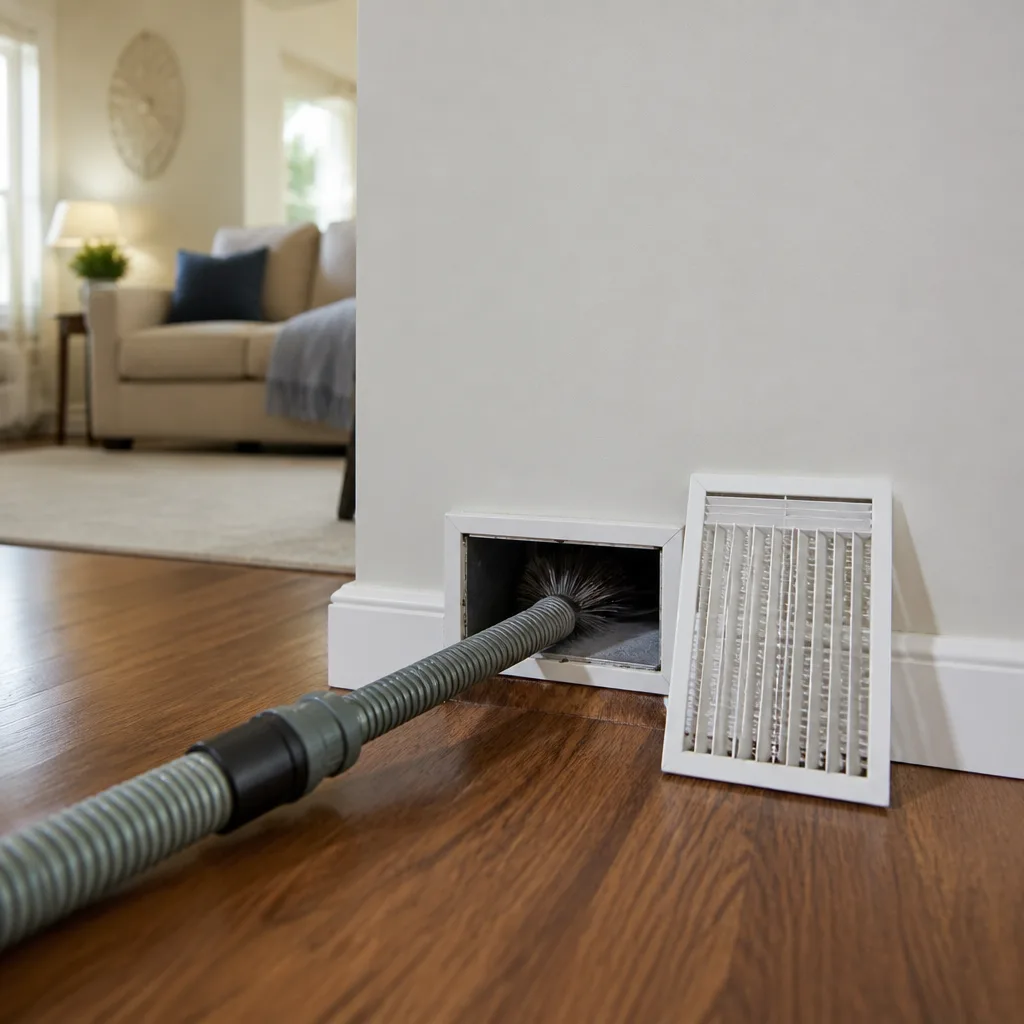 Sanitizing & deodorizing
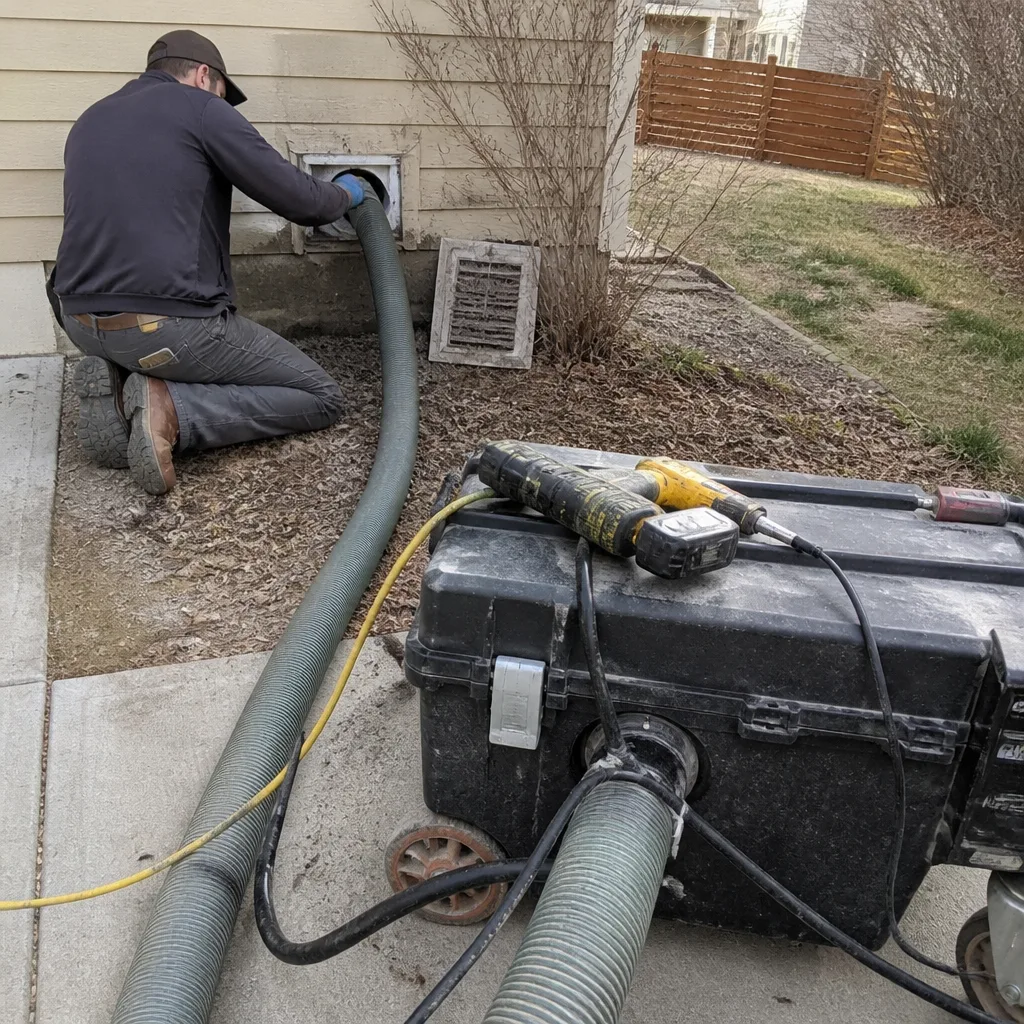
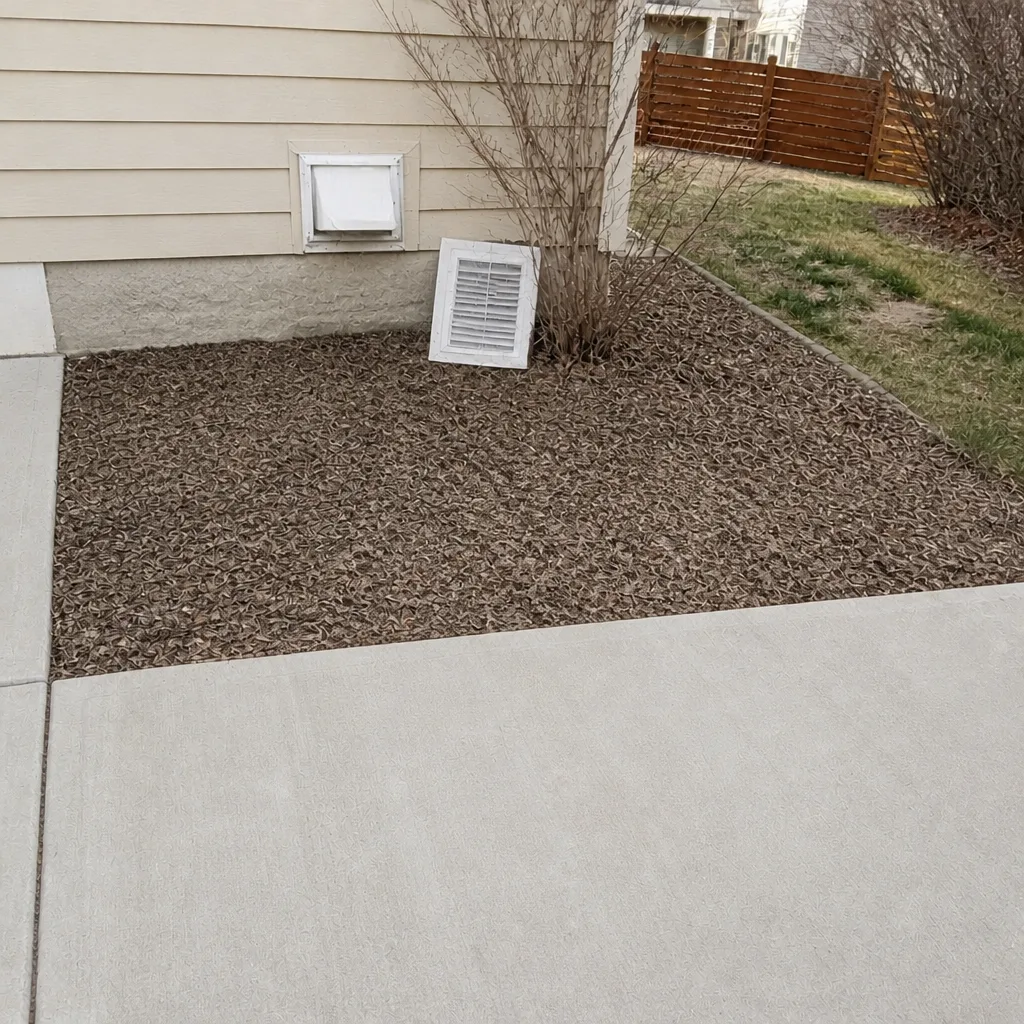
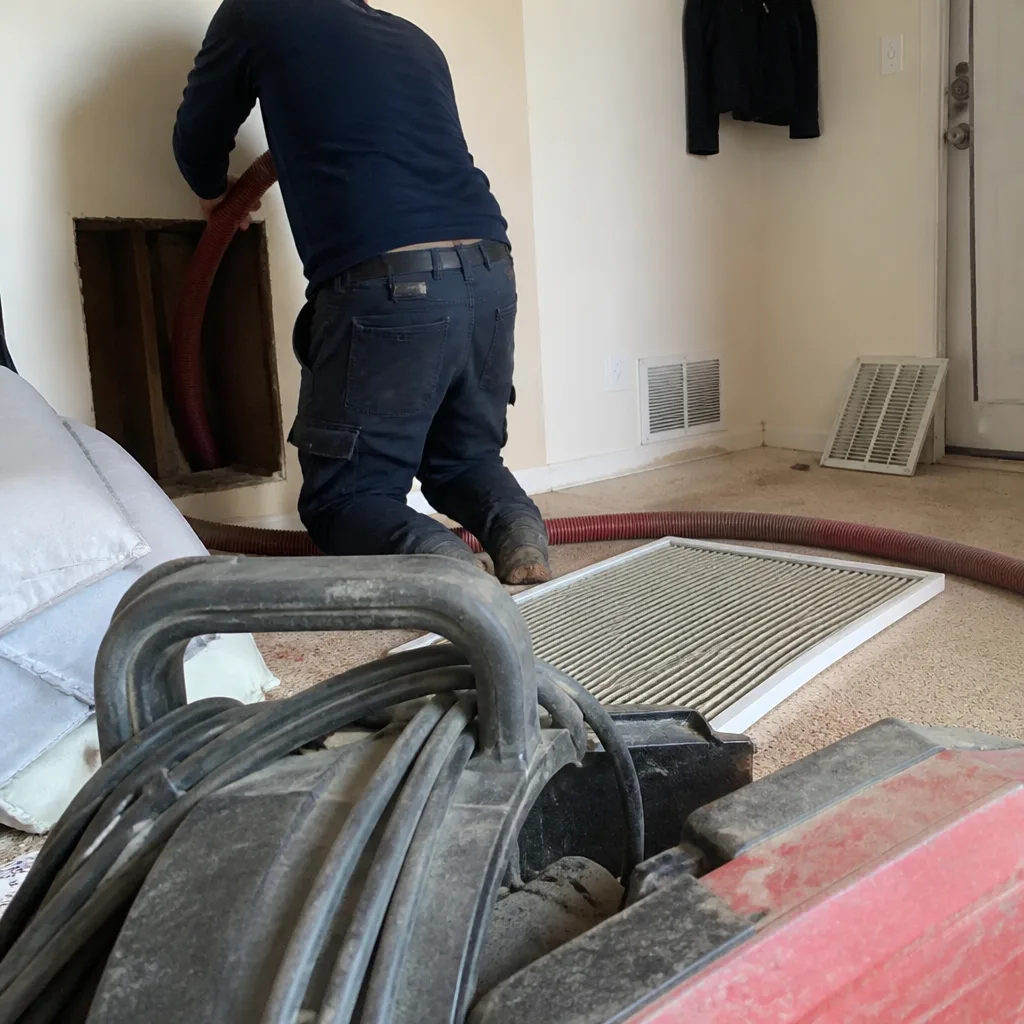
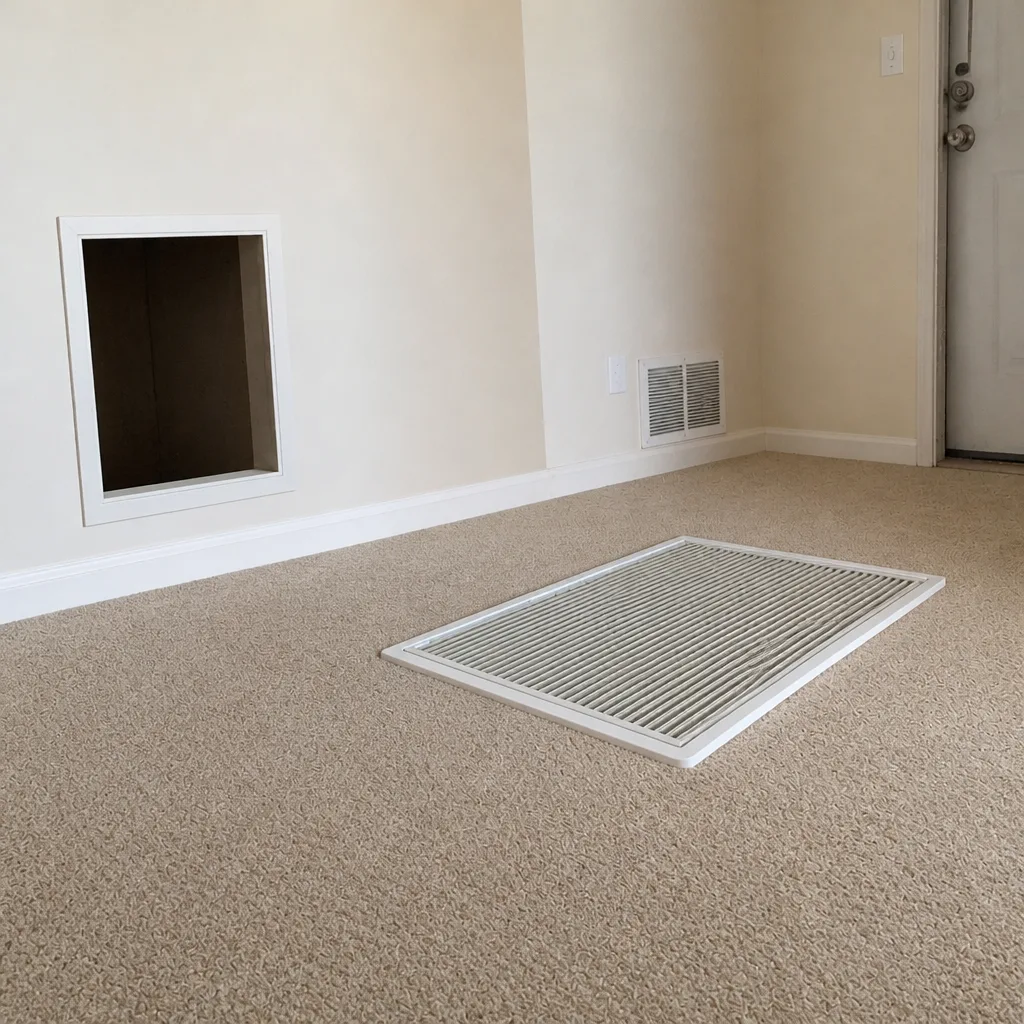
Whole-system duct and dryer vent check with before-and-after photos - you see exactly what came out of your vents
That "$99 whole-house special" is a bait ad - the real number appears once they are in your hallway, or the "clean" is a shop-vac at the register. We photograph the inside of your ducts before and after instead.
The Complete Guide to Air Duct Cleaning in Westminster
Most air duct guides are written for a hypothetical average American home, not a Westminster ranch-style with original 1970s galvanized trunk lines, a bypass damper feeding a whole-house cooler, and a basement that has quietly collected fine smoke particulate through several Front Range wildfire seasons. Generic advice misses what’s actually happening inside ductwork here. Westminster sits at roughly 5,390 feet, where thinner air changes how hard your blower works and how fast ducts load with particulate. Add construction dust from steady new-build growth and mineral powder from hard municipal water, and the contamination profile looks nothing like the national averages you’ll read elsewhere. This guide maps what accumulates in a Westminster duct system, how it differs by home layout, and what a properly scoped cleaning actually involves.
Quick Answer
Air duct cleaning in Westminster means mechanically agitating and removing debris from every branch line under controlled negative pressure, not just vacuuming what the wand can reach from a register. Because of the altitude, wildfire smoke seasons, and mineral dust in this market, a thorough job usually pairs source removal with sealing and sanitizing, then verifies the result with static pressure and airflow readings. A written, whole-system estimate before any work begins is the clearest sign you’re hiring a contractor rather than a coupon van.
Styles & brands we work with
- Whole-home duct cleaning
- Dryer vent cleaning
- Camera inspection
- Sanitizing & deodorizing
Table of Contents
- Why Westminster Ducts Load Differently
- How Altitude at 5,390 Feet Changes Airflow and Dust
- Truck-Mounted vs. Portable Equipment: What Reaches Every Branch
- What Rotobrush Agitation Does That Vacuuming Alone Cannot
- Why Full-Spectrum Cleaning Matters After Wildfire Smoke
- How to Read a Post-Cleaning Inspection Report
- How Often Should Westminster Ducts Be Cleaned?
- Common Mistakes to Avoid
Why Westminster Ducts Load Differently
A typical Westminster ranch or tri-level has galvanized trunk lines that have been moving air since well before the company was founded in 2011, a basement that sits cool and damp through spring runoff, and a return system that has pulled in wildfire smoke from Front Range fire seasons. That combination produces a debris mix you won’t find described in a national cleaning checklist.
Here’s what we mean in practice. Construction dust from infill and new subdivisions settles into supply runs as fine drywall powder, which then cakes onto any damp surface. Hard water vapor from the municipal supply leaves mineral powder behind as it condenses and dries on heat exchangers and duct walls. And smoke particulate from summer fire seasons is small enough to travel past a standard filter and lodge in the crevices of flex duct and the joints of older galvanized trunk lines.
Westminster’s housing stock splits roughly into three eras, and each loads differently:
- 1970s and 1980s ranch and tri-level homes: Original galvanized trunk and branch lines with seam gaps that leak, plus basements that stay humid enough to hold dust in place.
- 1990s and 2000s builds: Longer flex runs, more joints per branch, and returns that pull from multiple rooms.
- Recent construction: Tighter envelopes and fresh drywall dust from the build itself, often never cleaned before the first homeowner moved in.
None of this is alarming. It simply means the scope of a proper cleaning in Westminster has to account for three distinct debris sources at once, not just “dust.” That’s the difference between a job that looks finished and one that actually is.
How Altitude at 5,390 Feet Changes Airflow and Dust
Air at 5,390 feet is thinner than at sea level, which means your blower moves less mass of air per cubic foot even when it spins the same speed. The practical effect: to deliver the same heating and cooling, the system runs longer and pulls a greater volume of air across filters and duct surfaces over a season. More air movement means faster loading with particulate.
Altitude also affects the equipment side. Technicians working in Westminster have to account for lower air density when they read static pressure and airflow, because the numbers a system produces here don’t match what the same equipment would show at a lower elevation. A contractor who reads gauges without knowing that can misjudge whether a duct system is restricted.
What this means for you:
- Your ducts accumulate debris faster relative to a lower-elevation metro, all else equal.
- Static pressure readings need to be interpreted with altitude in mind, not against a sea-level chart.
- Airflow problems that feel like “a weak vent” are often a loading or leakage issue, not a furnace problem.
- Sealing gaps matters more here because the blower is already working harder to move the same air.
This is the part of the job most easily faked. A quick vacuum with no airflow verification tells you nothing about whether your system’s performance actually changed. Our technicians have up to 15 years of experience reading these numbers and know what a Westminster system should look like before and after. You can see the range of air duct cleaning work we scope for local homes.
Truck-Mounted vs. Portable Equipment: What Reaches Every Branch
Two main equipment setups exist in this trade: a truck-mounted negative-pressure unit that pulls a strong vacuum through a hose run to the duct system, and a portable unit that sits inside the home. The difference is reach, containment, and how cleanly the work is done.
A truck-mounted system delivers far more vacuum and, when paired with proper containment, keeps the loosened debris moving out of the home instead of re-entering the living space. A portable unit can be adequate for short runs, but it has to work harder for every linear foot and often can’t sustain negative pressure across a full Westminster layout.
Layout matters as much as raw power. A ranch-style home with a central trunk has branches radiating in a fairly predictable pattern, so a single strong vacuum source plus rotary agitation can reach every run. A tri-level spreads returns and supplies across three floor levels, some on separate zones. Reaching every branch there means more access points, more containment, and careful sequencing so half the house isn’t left with debris while you work the other half.
This is why we plan for Abatement Technologies negative-air machines and air scrubbers on jobs. They hold the home under controlled pressure and filter the air that passes through, so cross-contamination from the cleaning area into the rest of the house stays contained. Some contractors skip this step because it costs time. It’s also the step that separates a genuinely clean home from one that just smells like it.
What Rotobrush Agitation Does That Vacuuming Alone Cannot
Vacuum pressure removes what’s loose. It does not remove what has bonded to the duct wall. That’s the gap a rotary brush closes, and it matters most in a Westminster system with three debris types stacked in the same run.
Here’s the distinction in plain terms:
- Construction drywall dust dries onto surfaces and forms a chalky film that has to be mechanically broken loose before it will move.
- Mineral deposits from hard water vapor create a light crust on heat exchangers and duct walls that suction alone won’t touch.
- Smoke particulate embeds in the texture of flex duct and in seam crevices, then clings long after the smell has faded.
A Rotobrush rotary-brush system agitates all three by running a spinning brush through each branch, breaking the bond between debris and surface, so the vacuum behind it can actually remove it. This is why the brush-plus-vacuum combination is an industry benchmark for thorough mechanical cleaning rather than a marketing term.
Pair that with Nikro professional equipment, including HEPA-rated vacuum and pressure systems built specifically for duct work, and you have a cleaning that reaches the surface instead of skimming over it. In our experience, the difference shows up immediately when you scope a branch that was never agitated: the walls are still coated even after a standard vacuum pass. That’s the most common failure we find on second opinions here.
Why Full-Spectrum Cleaning Matters After Wildfire Smoke
A single-pass vacuum after a smoke event removes the loose ash and leaves the bonded particulate behind. When the system runs again, that material becomes airborne every time the blower cycles. That’s the reason a complete scope (cleaning, sealing, then sanitizing) matters more in Westminster than in a market that never sees fire season.
Here’s how a full-spectrum job is sequenced:
- Contain and agitate. Set up negative-air containment, then run Rotobrush agitation through every branch to break bonded debris loose.
- Extract under pressure. Pull loosened debris out with Nikro HEPA-rated vacuum systems, keeping the home under controlled negative pressure the whole time.
- Repair and seal. Find and close gaps in seam joints, transitions, and any compromised flex run so the system stops leaking air it should be delivering. This is where we repair what we find.
- Sanitize and upgrade filtration. Apply Guardsman antimicrobial protection to the cleaned surfaces, and integrate Honeywell or Aprilaire filtration to raise what the system catches going forward.
Why does this matter after smoke? Because every one of those steps addresses a different contamination pathway. Cleaning removes what’s there. Sealing stops new material from pulling in through leaks. Sanitizing addresses the microbial growth that develops where smoke, dust, and condensation meet in a damp basement run. Skip any one of them and the system is only partly fixed.
For homes that also deal with lint buildup in the laundry exhaust, we cover dryer vent cleaning on the same visit. And when the air handler itself is coated, that’s folded into HVAC cleaning so the whole system is addressed instead of one segment.
How to Read a Post-Cleaning Inspection Report
A cleaning report should tell you what was done and prove the system performs differently. If the report is just a receipt with “cleaning completed,” you have no way to know the work happened the way you paid for it.
Here’s what a proper report includes:
- Before-and-after photos of your own ducts from inside each branch, not stock images.
- Static pressure readings before and after, at the air handler and at the trunk. A drop means restriction was removed.
- Airflow (CFM) at register level for a representative sample of registers across the home. Two readings at the same register, one before and one after, tell you whether the run is moving air it wasn’t before.
- Access and containment notes showing where negative pressure was held during the job.
- Repairs logged for any seam or joint sealed, with a note on what was found.
Read the report against what you noticed before the cleaning. A register that felt weak in the back bedroom should read higher CFM. A musty basement return should show visibly cleaner in the after photos. If neither changed, the job scope was probably too narrow for what your Westminster system actually needed.
Our technicians have up to 15 years of experience walking homeowners through these numbers, and a written explanation of what we found belongs in every job. Our official Air Duct Cleaning Westminster Pros page is the place to start if you want to see how we scope a home before committing.
How Often Should Westminster Ducts Be Cleaned?
There’s no single universal interval, and anyone who tells you “every two years, no matter what” is guessing. In Westminster, several local factors push the schedule longer or shorter.
Consider cleaning sooner if:
- You’ve had three or more wildfire smoke seasons with the system running through them.
- Your home was recently built or renovated, and drywall dust was never cleared from the system after the build.
- You’ve noticed dust reappearing on surfaces faster than usual, or a musty smell from a basement return.
- Airflow to a second-floor or back-room register has weakened and a filter change didn’t fix it.
- You’ve lived in a home with original galvanized trunk lines for years without a documented cleaning.
For homes without those factors, an inspection every few years tells you whether cleaning is needed at all. That’s a straightforward, useful answer. Some homes don’t need the full scope yet, and we’ll tell you so. Where you are in that cycle is something a technician can assess during an estimate.
Common Mistakes to Avoid
- Judging a quote on price alone. A quote far below everyone else usually means a portable vacuum, no containment, and no agitation. In a Westminster tri-level, that setup cannot reach every branch, so you pay less and get less.
- Assuming “in and out in an hour” means efficiency. A proper cleaning across a full duct system with agitation, containment, sealing, and sanitizing takes real time. Speed claims are a sign the scope has been cut, not a sign of skill.
- Hiring without asking about equipment by name. Ask whether the contractor brings a Rotobrush-style rotary brush, a high-capacity vacuum, and negative-air containment. If the answer is vague, the equipment probably is too.
- Cleaning without checking for leaks. A Westminster home with 1970s-era trunk lines almost certainly has seam gaps. Cleaning without sealing means the system starts leaking dust again as soon as the blower runs.
- Skipping the air handler. Ducts and the HVAC cabinet share the same air. Cleaning one without the other leaves half the debris in place, which then redeposits into the clean runs.
- Ignoring the return side. Many projects focus on supply registers and never address the returns pulling from a damp basement. That’s the path most smoke and mineral dust uses to enter the system.
- Not asking for verification. If a contractor can’t show you static pressure and CFM readings before and after, you have no way to confirm the work was done well. Ask for those numbers in writing.
See the difference
 Before
 After
 Before
 After
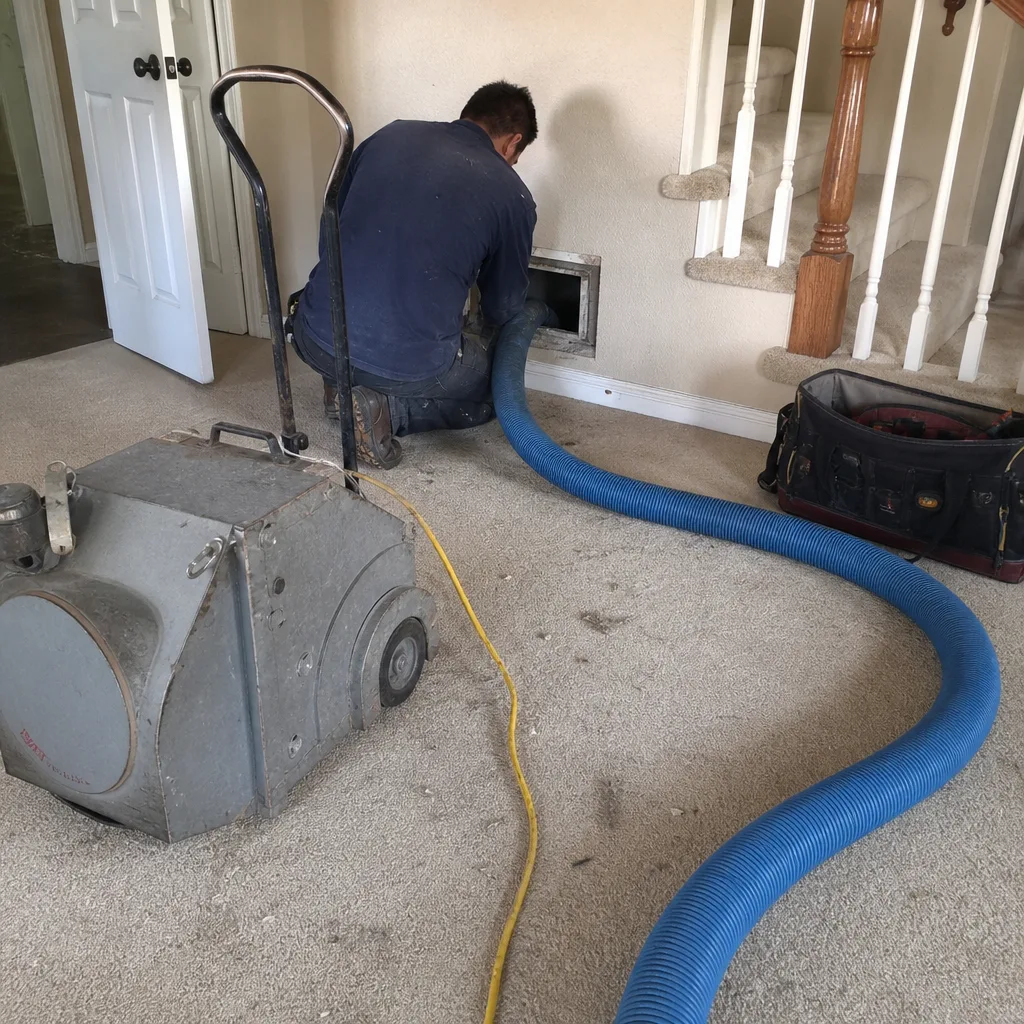 Before
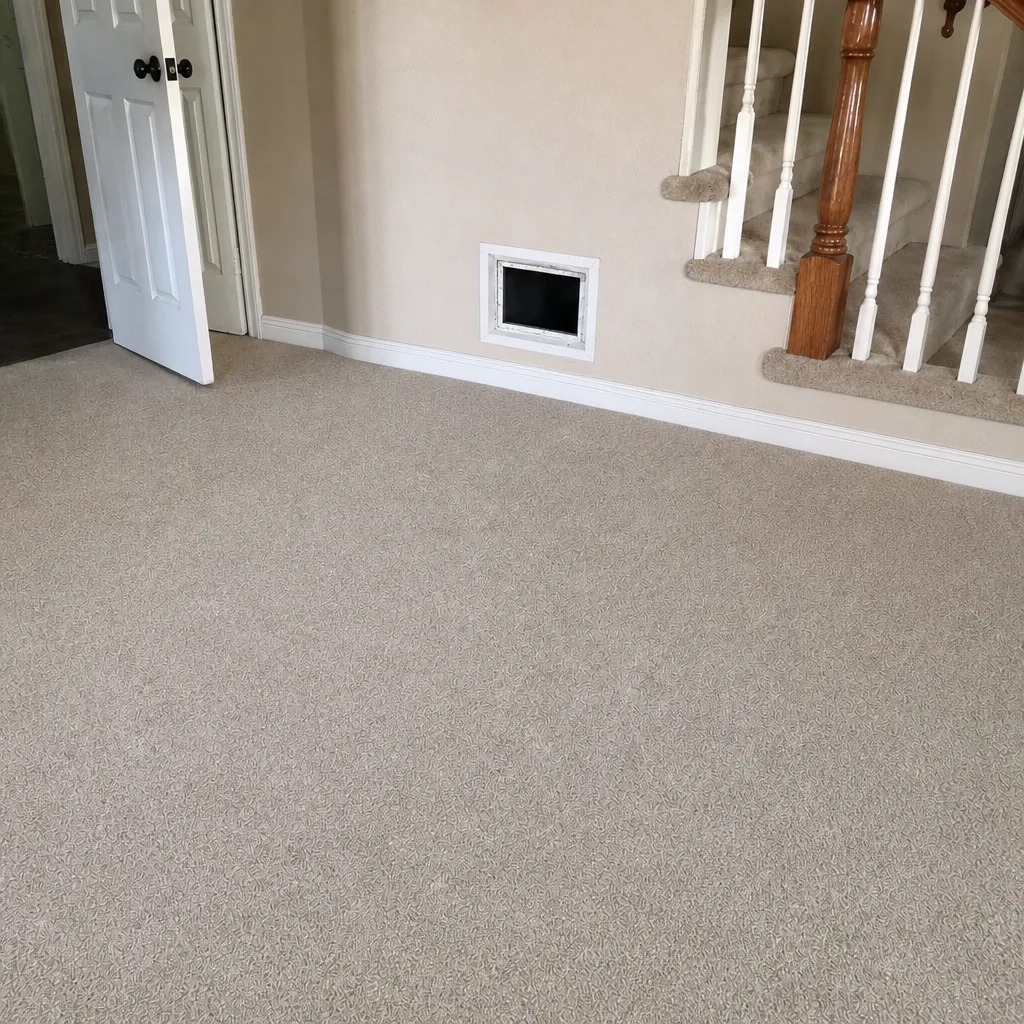 After
When to Call a Professional
Call a professional when you notice allergy flare-ups indoors, musty odors from a basement return, or uneven airflow across rooms that a filter change didn’t fix. Call if your home was recently built and the system was never cleared of construction dust. Call if you’ve had several wildfire smoke seasons with the system running through them, or if you’re in a ranch or tri-level home with original galvanized trunk lines and no documented cleaning. Call before you sell a home if the inspection report will show airflow numbers. Air Duct Cleaning Westminster Pros offers free estimates in Westminster, and the written estimate sets the price per job before any work begins. Call (855) 337-2019. We answer 24/7. Fast dispatch from 7am to 7pm, Sunday through Friday.
Frequently Asked Questions
Most whole-home cleanings here land in a range set by size, number of branches, and whether sealing and sanitizing are included in the scope. The written estimate sets the final price, and there’s no per-vent charge to inflate it. Call (855) 337-2019 for an exact quote; estimates are free.
Cheap quotes usually reflect a narrower scope: a portable vacuum instead of high-capacity negative pressure, no containment, and no rotary agitation. That means some branch lines get vacuumed and never really cleaned. The written estimate should spell out every step so you can compare fairly. Call (855) 337-2019 and we’ll walk you through what a complete scope includes.
Ask for before-and-after photos of your own ducts and static pressure readings with airflow numbers from registers across the home, taken before and after the job. A contractor who stands behind the work will provide both without being asked twice. Call (855) 337-2019 to see what a full report looks like.
There’s no universal schedule, and anyone quoting a fixed number of years without asking about your home is guessing. Wildfire smoke exposure, recent construction, damp basement returns, and age of the system all shift the interval. Call (855) 337-2019 and a technician can tell you whether cleaning is due yet.
Yes, in practice. Thinner air at 5,390 feet means the blower runs longer to move the same heating and cooling, so it pulls more air and particulate through the duct system over a season. Higher dust loading means a shorter cleaning interval than a lower-elevation metro, all else equal. Call (855) 337-2019 to schedule an assessment.
Yes, and in a Westminster home with older galvanized trunk lines that’s usually the right call. Sealing after cleaning closes the gaps that let dust back in, so the cleaning actually holds. It’s part of a single scope, not a separate service. Call (855) 337-2019 for a free estimate.
The Bottom Line
Westminster homes load their duct systems differently than the average American home. Altitude at 5,390 feet pushes more particulate through per season, wildfire smoke leaves bonded residue in branch lines, hard water vapor leaves mineral powder on duct walls, and steady construction puts drywall dust into newer systems before the first owner moves in. The right scope pairs Rotobrush agitation and Nikro HEPA extraction under Abatement Technologies containment with sealing and Guardsman sanitizing, then verifies the result with static pressure and CFM readings. Anything less is a vacuum pass, not a cleaning.
If you want a scoped estimate for your home, call (855) 337-2019 for a free estimate. We answer 24/7. Fast dispatch from 7am to 7pm, Sunday through Friday. One crew handles cleaning, repair, sealing, and sanitizing from start to finish, so you’re not coordinating three contractors for one job.
Written by the team at Air Duct Cleaning Westminster Pros.