
Last updated November 23, 2026
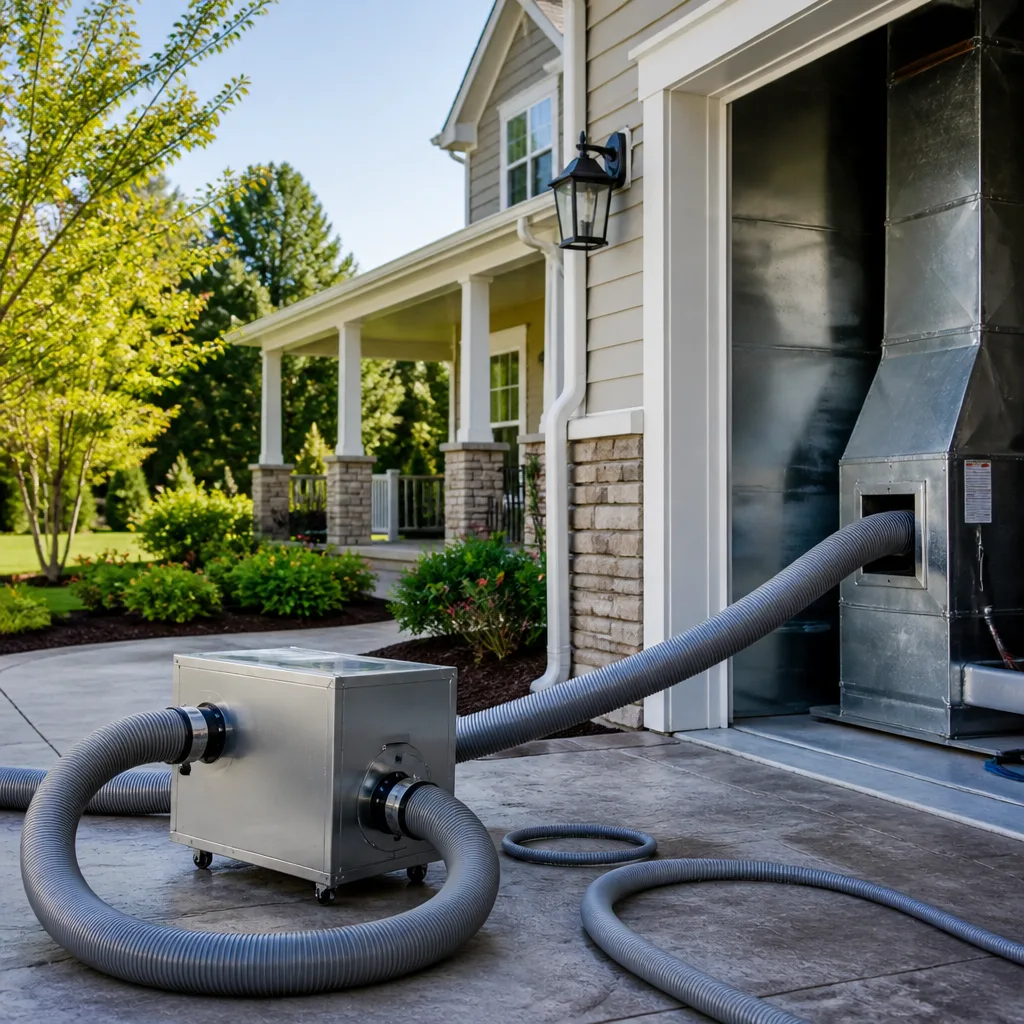 Whole-home duct cleaning
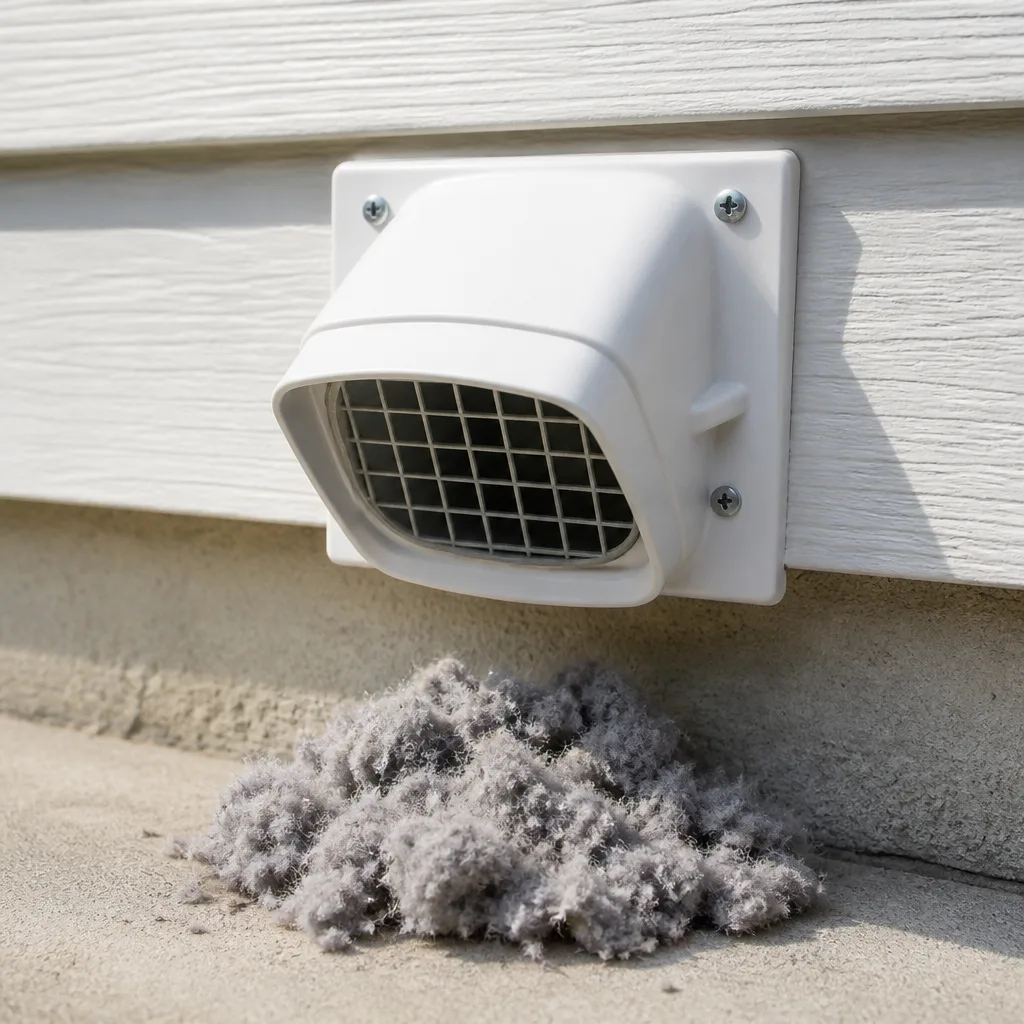 Dryer vent cleaning
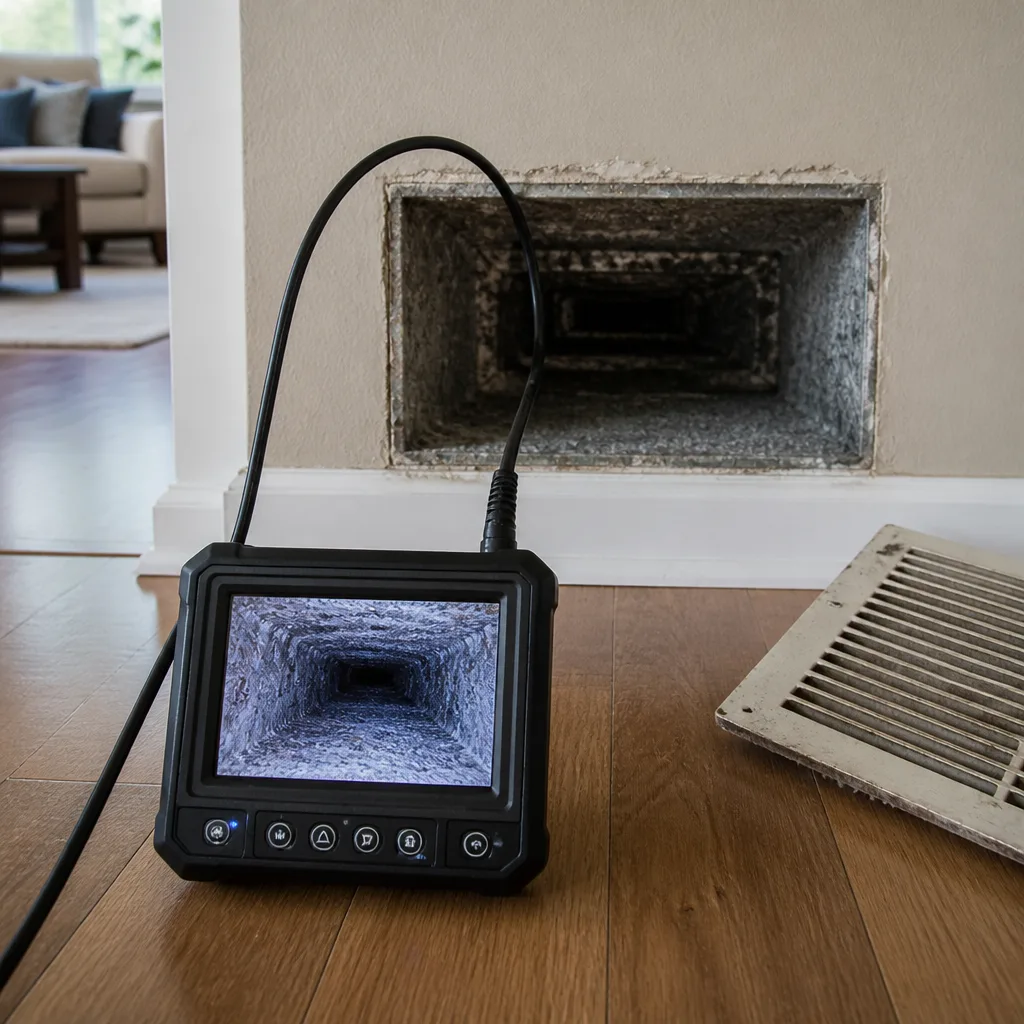 Camera inspection
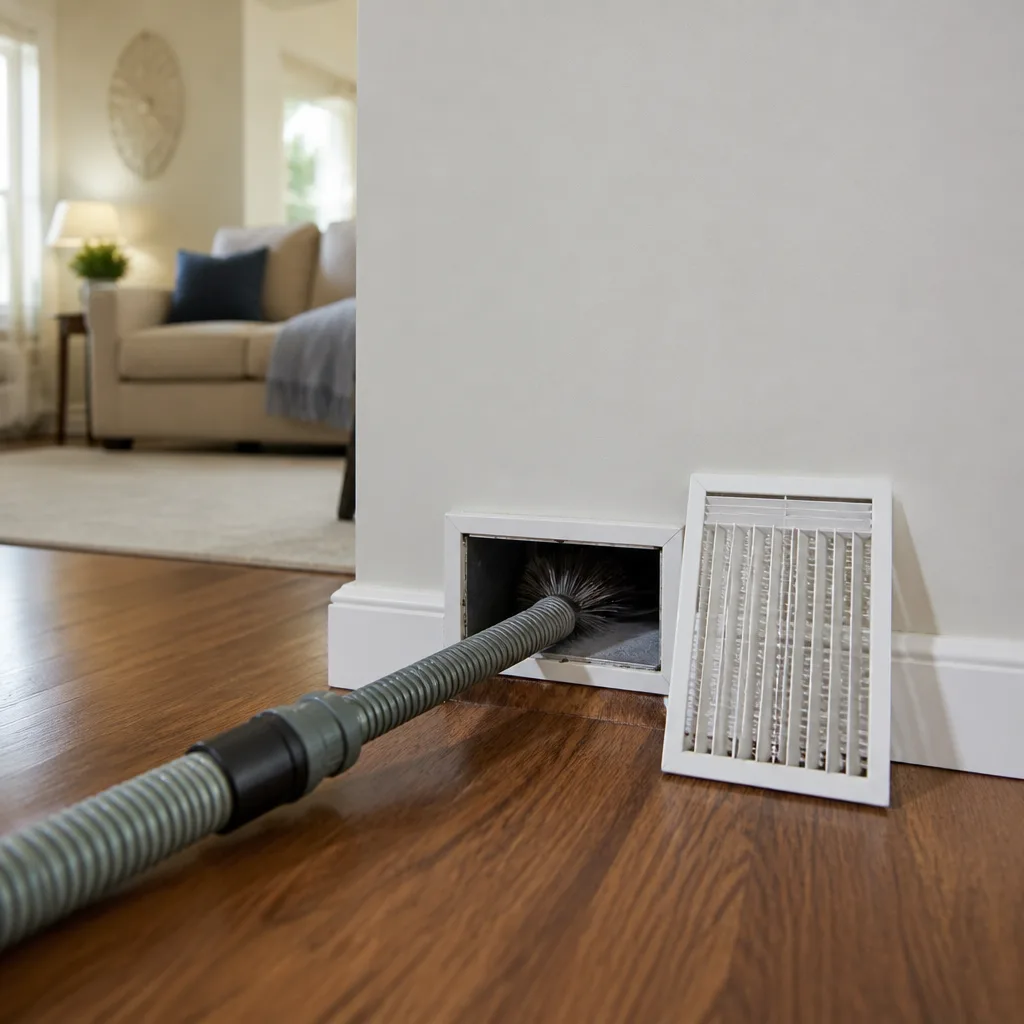 Sanitizing & deodorizing
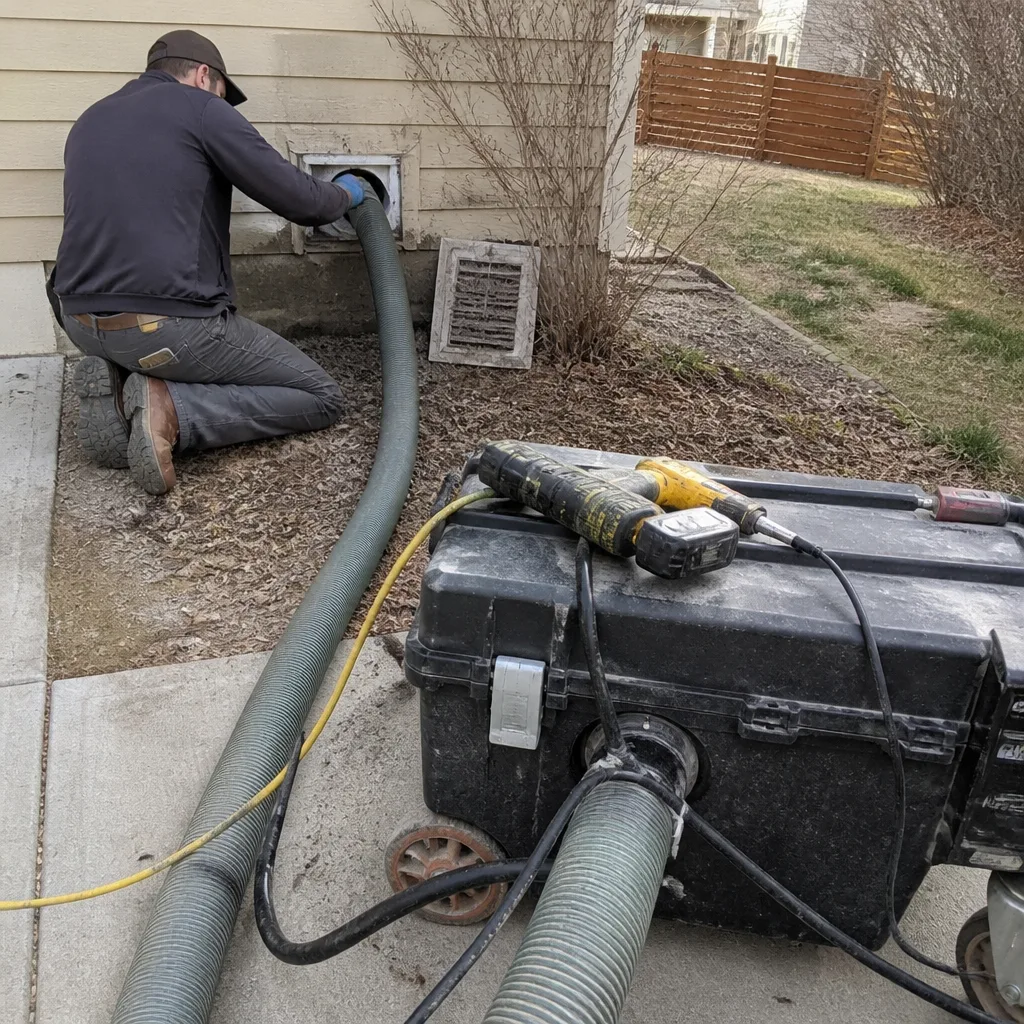
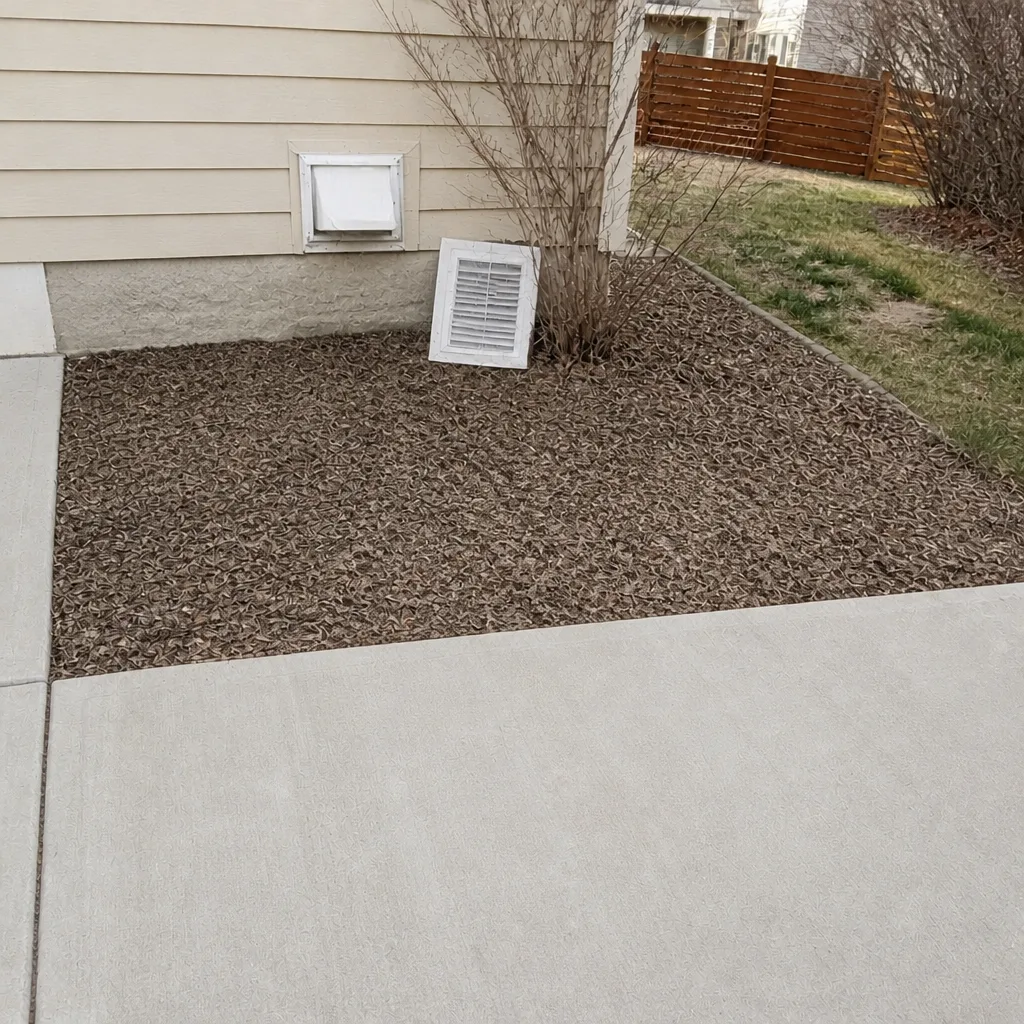
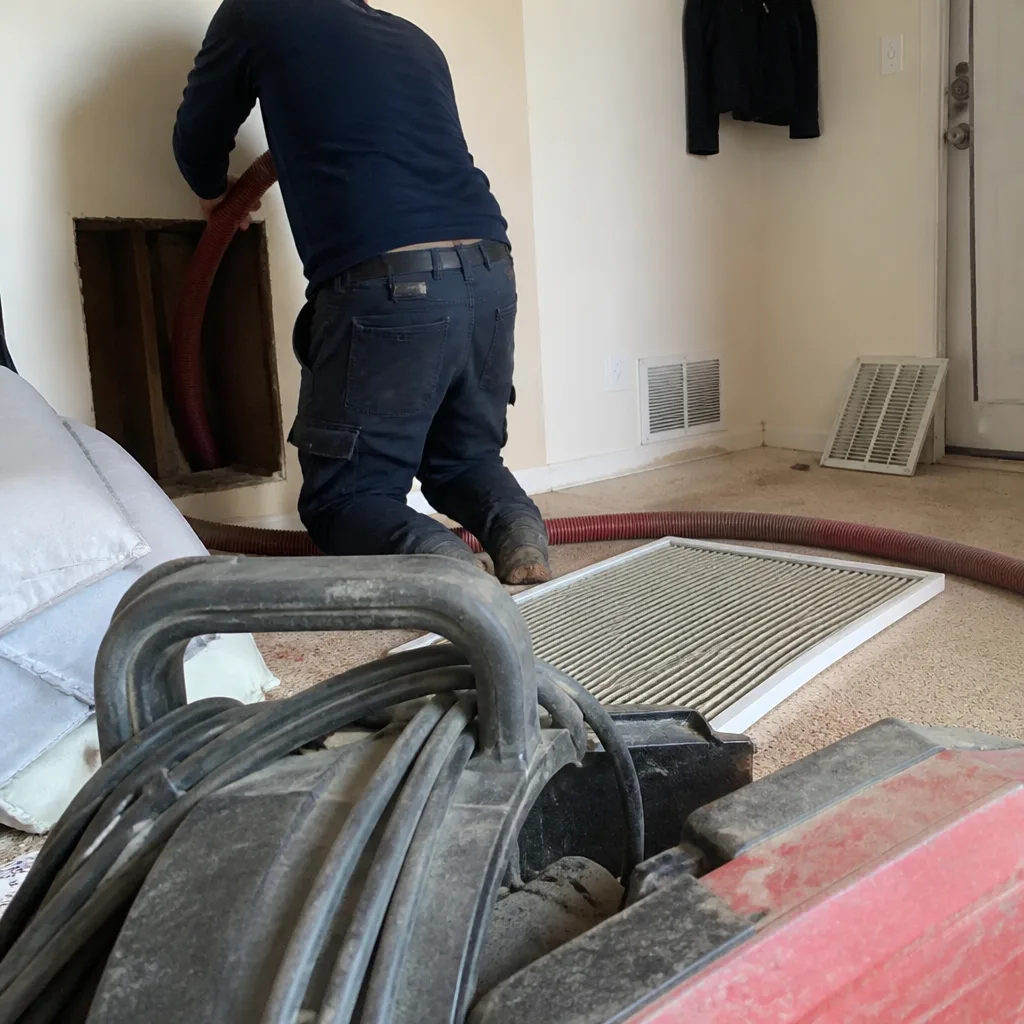
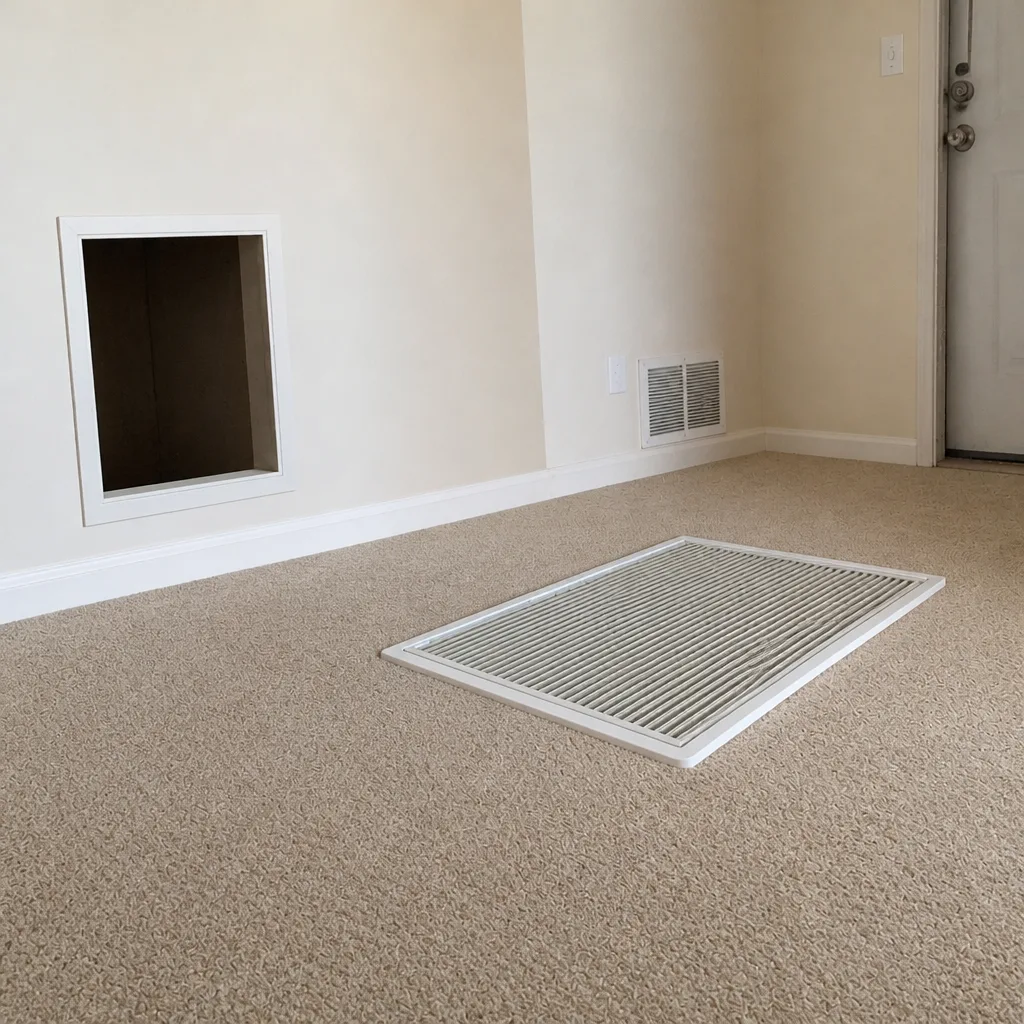
Whole-system duct and dryer vent check with before-and-after photos - you see exactly what came out of your vents
That "$99 whole-house special" is a bait ad - the real number appears once they are in your hallway, or the "clean" is a shop-vac at the register. We photograph the inside of your ducts before and after instead.
Air Duct Cleaning Maintenance Checklist for Westminster Homeowners
The most common mistake Westminster homeowners make isn’t skipping duct cleaning. It’s doing it on an arbitrary schedule while ignoring the three observable signals that mean their system is overdue right now. Most people default to a calendar rule they heard somewhere – every two years, every five years, whenever the neighbor did it – and that rule has nothing to do with what’s actually happening inside their ducts. What works better is a maintenance log: a simple record of filter loading rate, visible debris at registers, and seasonal symptoms. Three signals, tracked over months, tell you far more than any generic timeline. This guide walks through a month-by-month checklist built around Westminster’s real seasons, the inspection points you can check without tools, and the exact thresholds that mean it’s time to stop maintaining and call a professional.
Quick Answer
A workable duct maintenance checklist for a Westminster home has four parts: monthly filter checks with a written loading-rate log, seasonal visual inspections at supply registers and accessible duct connections, a monthly dryer vent lint check, and a professional assessment whenever you see specific escalation signals like persistent mold odor, recurring allergy symptoms that start within minutes of the furnace kicking on, or visible construction debris in the system. Cleaning on a fixed schedule without tracking these signals wastes money. Tracking them and cleaning when the system actually needs it saves it.
Styles & brands we work with
- Whole-home duct cleaning
- Dryer vent cleaning
- Camera inspection
- Sanitizing & deodorizing
Table of Contents
- Why a Fixed Cleaning Schedule Misses the Point
- The Filter Loading Rate Log: Your Best Proxy Metric
- A Month-by-Month Duct Maintenance Calendar for Westminster
- Visual Inspection Points You Can Check Without Tools
- Checklist Items That Protect Your HVAC Manufacturer Warranty
- When to Escalate from Home Maintenance to a Professional Scope
- The Dryer Vent: The Other Duct System in Your Home
- Why Sealing Matters as Much as Cleaning
Why a Fixed Cleaning Schedule Misses the Point
Duct contamination isn’t a clock. It’s a rate. Two identical houses on the same street in Westminster can build up completely different levels of debris in the same amount of time depending on how many pets live there, whether anyone smokes, how often windows open, whether there’s a woodworking hobby in the garage, and how well the return-air side of the system is filtered. A homeowner who cleans on a rigid three-year schedule will overpay in one house and underpay in another. The point of a maintenance checklist is to replace the calendar with a set of measurements you can actually observe.
There’s a second reason the calendar approach fails. Different contaminants need different responses. Fine dust loading in the return plenum is a cleaning problem. Visible biological growth on the interior of a duct liner is a sanitizing problem. Flex duct that’s collapsed or disconnected is a repair problem. Seams that leak are a sealing problem. A checklist that treats all of these as “call for a cleaning” leaves the actual problem untouched, and that’s the gap between a surface-level job and a complete system fix. Our five services – cleaning, dryer vent work, HVAC cleaning, duct repair and sealing, and air quality and sanitizing – exist because the diagnosis and the treatment have to match.
The checklist below is designed to help you document what’s actually happening in your Westminster home so that when you do call a professional, you’re not guessing. It’s built around the seasonal events that drive contamination in this part of Colorado: spring snowmelt tracking mud and grit indoors, summer smoke and ozone events, the fall furnace startup that stirs up whatever settled over the cooling season, and winter’s dry air that keeps fine dust suspended longer. Each season puts a different load on your ductwork, and the log should reflect that.
What a good log actually looks like
- Date of each filter check and each visual inspection
- Filter condition rating on a simple 1-to-5 scale (1 = clean white, 5 = fully gray and loaded)
- Days since last change – the number that actually predicts system state
- Notes on odors, visible dust at registers, unusual noise, or airflow complaints
- Seasonal events – furnace first-start date, smoke events, renovation projects, pet additions
Four columns and a notes field. That’s the whole system. In our experience, a homeowner with three months of this log gives us more diagnostic information than a whole-house inspection alone, because the log shows the rate of change rather than a single snapshot.
The Filter Loading Rate Log: Your Best Proxy Metric
Filter loading rate is the fastest, cheapest way to estimate how much contamination is building up inside your ducts. A filter that goes from clean white to fully gray in 30 days tells you the return-air side of the system is pulling heavy particulate. A filter that stays mostly white for 90 days tells you the whole system is running clean and a professional cleaning isn’t yet worth the money. The number that matters isn’t the filter’s MERV rating. It’s how many days it lasts.
Here’s the procedure. Pick a filter, any decent pleated one, and write the install date on the edge with a marker. Every two weeks, pull it and hold it up to a light. Rate it 1 to 5. When it hits 4, replace it and log the days since install. Do this for three consecutive filters and you have a baseline. From there, any shortening of that number is the signal – a filter that used to last 75 days and now lasts 45 is telling you something changed.
What different loading rates suggest
- 60-90 days per filter – typical for a well-maintained Westminster home on a standard pleated filter. Duct cleaning is unlikely to be urgent unless other signals appear.
- 30-60 days per filter – moderate loading. Worth a visual inspection at the registers and the return plenum if accessible. Consider whether a higher-MERV filter or a better-sealed return would help.
- Under 30 days per filter – heavy loading. This is the strongest single indicator that a professional assessment is worthwhile. Could be pets, nearby construction, return-side leaks pulling from an unconditioned crawlspace or attic, or a duct interior that’s already loaded and shedding.
- Sudden change – a filter that used to last 90 days and now lasts 30 suggests a new source: a renovation, a return duct that’s come loose in the attic, or a blower issue.
One note for the dry season. Westminster’s winters are dry, and dry air holds fine dust in suspension longer than humid air does. That means your filter can look relatively clean for weeks and then load quickly once the furnace runs continuously. Don’t read a slow start as a clean system – wait for the full cycle before drawing conclusions.
A Month-by-Month Duct Maintenance Calendar for Westminster
The right checklist for a Westminster home is seasonal, not annual. Here’s how the tasks break down across the year, with the seasonal events that drive each one.
Spring (March through May): Mud, Melt, and the First Real Check
- Check the return-air filter after the first week of open-window weather. Spring melt and mud tracking bring grit indoors, and open windows pull it into the return grilles.
- Vacuum supply and return registers from the face side with a brush attachment. You’re removing surface debris that would otherwise be drawn in.
- Walk the accessible attic or crawlspace and look for flex duct that’s come loose at a fitting or sagged in a way that traps condensation.
- Log the first seasonal filter change date to establish the baseline for the year.
Summer (June through August): Smoke Windows and Cooling-Season Load
- During wildfire smoke events, close windows and run the system on recirculate with a clean filter. Log the dates so you can correlate filter loading later.
- Check the evaporator coil access panel if it’s reachable, and note whether there’s visible dust matting on the coil face. That’s a sign HVAC cleaning – not just duct cleaning – is in order.
- Vacuum the condensate drain pan area and check for standing water. Biology grows where water sits.
- Inspect the return grille in the most-used room for dust streaking. Streaking at the grille is a strong indicator of duct-side loading behind it.
Fall (September through November): Furnace Startup and the Big Test
- Change the filter immediately before the first furnace startup. This is the single most important task in the fall schedule.
- Note the startup date in your log. The first few days of heating season will stir up whatever has settled in the ducts over the cooling months, and that’s when odors or dust puffs will be most obvious. That observation is diagnostic information, not a crisis.
- Check for musty odors in each room during the first week of heat. If a specific room develops a smell that the rest of the house doesn’t have, that room’s branch duct may be the source.
- Inspect the dryer vent transition and outdoor termination before the heating months, when lint accumulation increases with heavier laundry loads.
Winter (December through February): Static, Dry Air, and Filter Discipline
- Check filters on a strict two-week schedule. Dry winter air keeps fine dust suspended longer, so loading can accelerate unexpectedly.
- Watch for static dust on dark surfaces in rooms with supply registers. Persistent static dust after a cleaning indicates either duct leakage or a filter that’s too low-MERV for the load.
- Keep interior humidity monitored if you have a gauge – a home that swings very dry pulls more dust into circulation and stresses the system.
- Log any allergy or respiratory symptoms that appear within the first 15 minutes of furnace startup in any room. Timing matters when a professional assesses the system.
Completing this calendar doesn’t require equipment. It requires a notebook and the discipline to write things down. That log is the difference between a guess and a diagnosis.
Visual Inspection Points You Can Check Without Tools
You don’t need a camera or a moisture meter to spot the signs that matter. A flashlight and a few minutes are enough for the four checks below, and if any of them look wrong, that’s a call-the-professional decision regardless of what your log says.
1. Boot connection gaps
The boot is the fitting that connects the round duct in the floor or wall to the register grille. Pull the grille cover off (most are held by two screws or a friction fit) and look for a visible gap between the boot and the surrounding floor or drywall. Gaps at the boot are the most common source of duct leakage into an unconditioned space. A gap you can see means a real percentage of your heated or cooled air is going somewhere other than the room, and it also means dust from that space is coming in. Proper sealing fixes this.
2. Visible debris at supply registers
Pop the register cover and shine a light into the boot. You should see clean metal. If you see any of the following, log the observation and the date:
- Fine gray or black dust coating the inside of the boot
- Clear accumulation at the bottom of the boot where the flow enters the room
- Debris visible in the duct itself behind the boot
- Any biological staining (dark spots) on interior surfaces
Fine coating is normal between cleanings. Debris you can pick up with a finger, or visible spotting, is the escalation signal.
3. Flex duct sag in accessible crawlspaces or attics
If you can safely reach the attic or crawlspace, look at the flex duct runs. Flex should be as straight and taut as the routing allows, with each fitting fully seated. A sagging run collects condensation and traps debris at the low point. A run that’s come away from a fitting is dumping air into the attic or crawlspace. Don’t crawl into spaces with poor footing, no lighting, or high heat – note what you can see from the access hatch and leave the rest to a professional.
4. Return-air plenum condition
If your return plenum is accessible and you can see it without moving anything, check for dust coating the interior surfaces and for tape or mastic that’s come loose at seams. Loose seams on the return side pull unfiltered air – from crawlspace, attic, or wall cavities – directly into the system. That’s the single biggest factor in whether your filter loading rate is telling you a real story or a story about leaks.
Checklist Items That Protect Your HVAC Manufacturer Warranty
Manufacturer warranties on HVAC equipment typically require documented maintenance. That requirement is real, it’s often enforceable during a claim, and it’s almost never communicated to homeowners when equipment is installed. Most warranty language requires that the equipment be installed and maintained by qualified professionals in accordance with manufacturer specifications and local code, and that filter changes and cleaning be performed at reasonable intervals. When a compressor fails at year six, the claim adjuster will ask for maintenance records. A homeowner with a dated filter log and a record of professional cleaning and inspection has a very different conversation than one who has nothing.
Here’s what to keep:
- Dated receipts or log entries for every filter change – the log you’ve built for the loading-rate metric doubles as warranty documentation.
- Receipts for every professional service – duct cleaning, HVAC cleaning, repair, sealing, and air quality work.
- The original install paperwork including the model and serial numbers, and the manufacturer’s maintenance requirements as printed in the manual.
- Notes on any repairs made by anyone – including the date, what was repaired, and by whom.
One practical note: when a professional is out for a duct cleaning or HVAC cleaning, ask for a written report of findings. That document can be the difference between a covered claim and a denied one, and it also gives you a baseline for the next inspection. Our technicians have up to 15 years of experience and write up what they find; the report is part of the job.
Nothing in this section changes your warranty terms – read your own manual. What it gives you is the documentation habit that makes the terms usable when they matter.
When to Escalate from Home Maintenance to a Professional Scope
The log tells you when. Here are the specific thresholds that shift the answer from “keep maintaining” to “get a professional assessment.”
Mold odor persistence
A musty smell that appears within the first 15 minutes of furnace startup and lasts more than a week is the strongest single escalation signal. If the odor is present in one room only, that branch duct is the likely source. If the odor is present throughout the house, the return side or the evaporator coil is the likely source. Either way, a duct cleaning plus an air quality and sanitizing treatment is the typical remedy, and the air quality service matters as much as the cleaning – the cleaning removes debris, the sanitizing step addresses what’s growing.
Allergy symptom onset timing
Symptoms that appear or worsen specifically when the system is running, or that resolve when the system is off for a day, are a signal that the system is moving contamination into living space. Note the timing – “symptoms start within 20 minutes of the heat coming on” is a piece of diagnostic information a professional can use. Don’t self-diagnose; a doctor handles the medical side, and we handle the system side.
Post-renovation debris
Any renovation that produced drywall dust, sawdust, or insulation debris is an escalation signal, regardless of what your log says. Construction debris travels through the entire system and accumulates at low points you can’t see. If the return side was open during construction without a taped-off filter, the load is significant enough to warrant professional cleaning and inspection. Get it done within a few months of the project finishing – not years later.
Airflow changes
A room that’s noticeably harder to heat or cool than it was a year ago is a system-state signal. Sometimes it’s a partially closed damper. Sometimes it’s a duct that’s come loose or collapsed in the attic. Sometimes it’s significant interior loading that’s reducing the effective cross-section of the duct. A technician can tell the difference in about five minutes with the right equipment.
Visible debris at multiple registers
If more than one or two supply registers show visible debris when you pop the cover, that’s a whole-system signal rather than a branch-duct signal. At that point a cleaning plus an inspection for leaks and disconnections is the correct next step.
The Dryer Vent: The Other Duct System in Your Home
Most homeowners think of dryer vent cleaning as a seasonal chore. It’s not. Lint accumulation in a dryer vent is the number-one cause of dryer fires in the United States, and the rate of accumulation depends on how much laundry runs through the dryer, not on the calendar. A busy household with pets can load a vent in a year. A single occupant might take three. If you want to understand why this matters beyond the maintenance checklist, a look at dryer vent cleaning covers the full safety case and what the work involves. For the checklist, three tasks matter:
- Clean the lint trap before every load. This is obvious and it’s also the step most often skipped on the last load of a busy day.
- Inspect the outdoor termination monthly. The flapper should open freely when the dryer is running. If it stays closed or if you can see lint packed at the exit, the vent is restricted.
- Log the first dryer load after a lint trap clean. A cycle that takes noticeably longer than it used to is the strongest indicator of vent restriction. Ten extra minutes per load is a warning, not a mild inconvenience.
The metal transition duct behind the dryer – the short piece that connects the machine to the wall – should be smooth rigid or semi-rigid metal, never vinyl or foil. If yours isn’t, replace it. That’s a five-minute task and it’s the single cheapest safety upgrade in the entire maintenance checklist.
Why Sealing Matters as Much as Cleaning
Cleaning removes what’s already in the ducts. Sealing stops what put it there. If the return-side seams and boot connections are leaking, cleaning buys you a few months of improvement and then the same problem returns. A thorough duct cleaning that isn’t followed by a check for leaks and gaps is a temporary fix, and that’s why we offer HVAC cleaning and duct repair and sealing as part of the same visit. When we clean, we inspect; when we find a leak, we quote the fix; and when the fix makes sense for the system, we do it while we’re already on site. That’s the practical meaning of “we repair what we find.”
The three areas to check for yourself: boot connections at floor and wall registers (from inside, with the grille off), return plenum seams if accessible, and any flex duct run where it connects to a rigid fitting. Loose tape is the most common failure and the most common sign that a professional sealing job is worth doing. If you’re documenting for a warranty or for a future project, log what you find with a date and photograph.
For homeowners who want the full picture of what a professional air duct cleaning scope looks like, we’ve written about air duct cleaning and the specific equipment used – Rotobrush rotary-brush systems, Nikro HEPA vacuum, and Abatement Technologies containment – because the equipment list is what separates a thorough job from a surface pass. If you want the larger overview of our approach, it’s at Air Duct Cleaning Westminster Pros.
Common Mistakes to Avoid
- Cleaning on a calendar instead of a signal. A house with two pets and a nearby construction project needs cleaning on a completely different schedule than a single occupant with no pets. Log the signals and clean when they say so.
- Swapping in too high a MERV filter to “fix” dust. A filter rated higher than the system can move air through will restrict airflow and can shorten blower life. Match the filter to the equipment, not to the ambition.
- Assuming a clean filter means clean ducts. A return-side leak upstream of the filter will keep the filter looking clean while the ducts accumulate debris. If your filter isn’t loading, look at the return plenum before concluding the system is fine.
- Ignoring the dryer vent between cleanings. Lint accumulates continuously, and the two warning signs – longer dry times and a blocked outdoor flapper – are easy to miss if you’re not looking for them.
- Cleaning without inspecting for leaks. Cleaning a duct system with loose boot connections is a temporary result. The right sequence is inspect, clean, seal, sanitize.
- Letting a renovation run without protecting the return. Drywall dust and insulation debris that get into the return side take months to work through the living space. Tape off the return before the demo starts.
- Treating a musty smell as a one-time annoyance. A musty odor that appears with heat and persists is a system-state issue. Log it, check it, and escalate if it doesn’t resolve.
See the difference
 Before
 After
 Before
 After
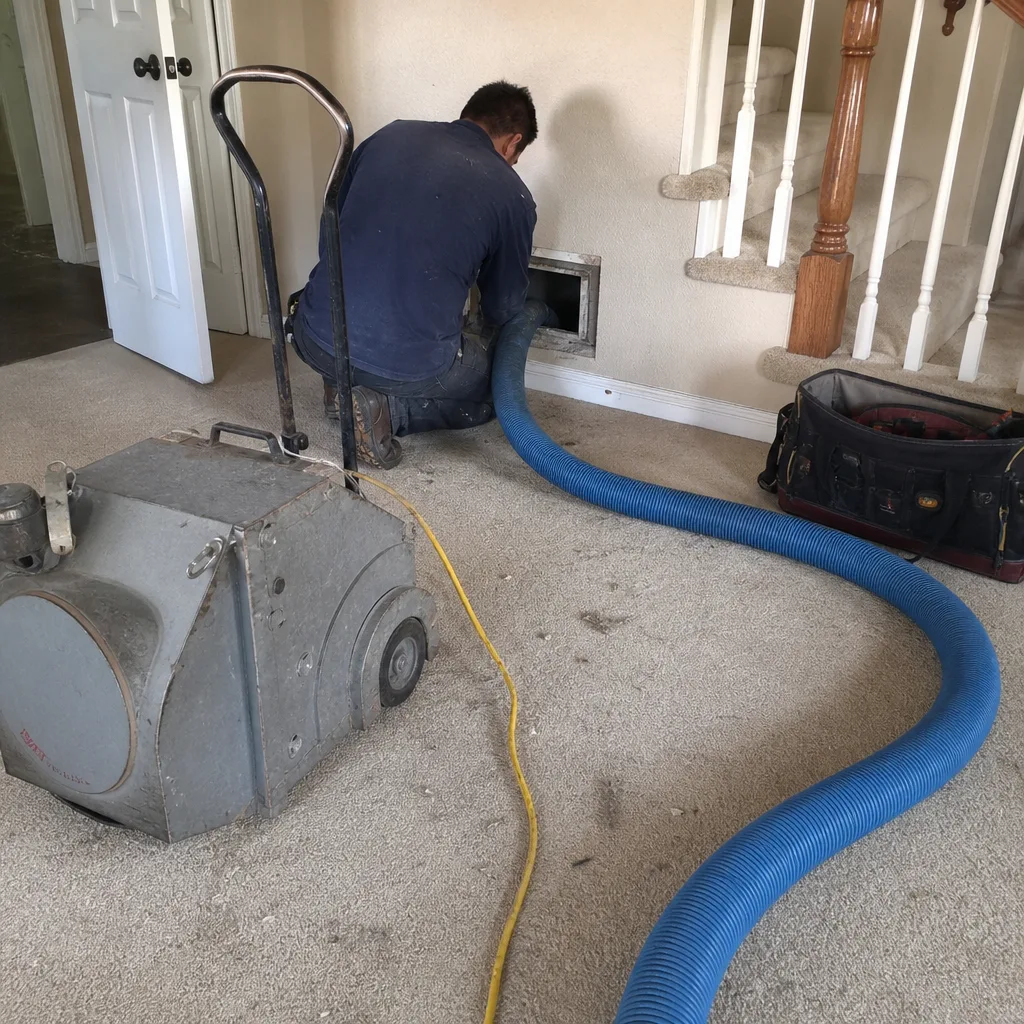 Before
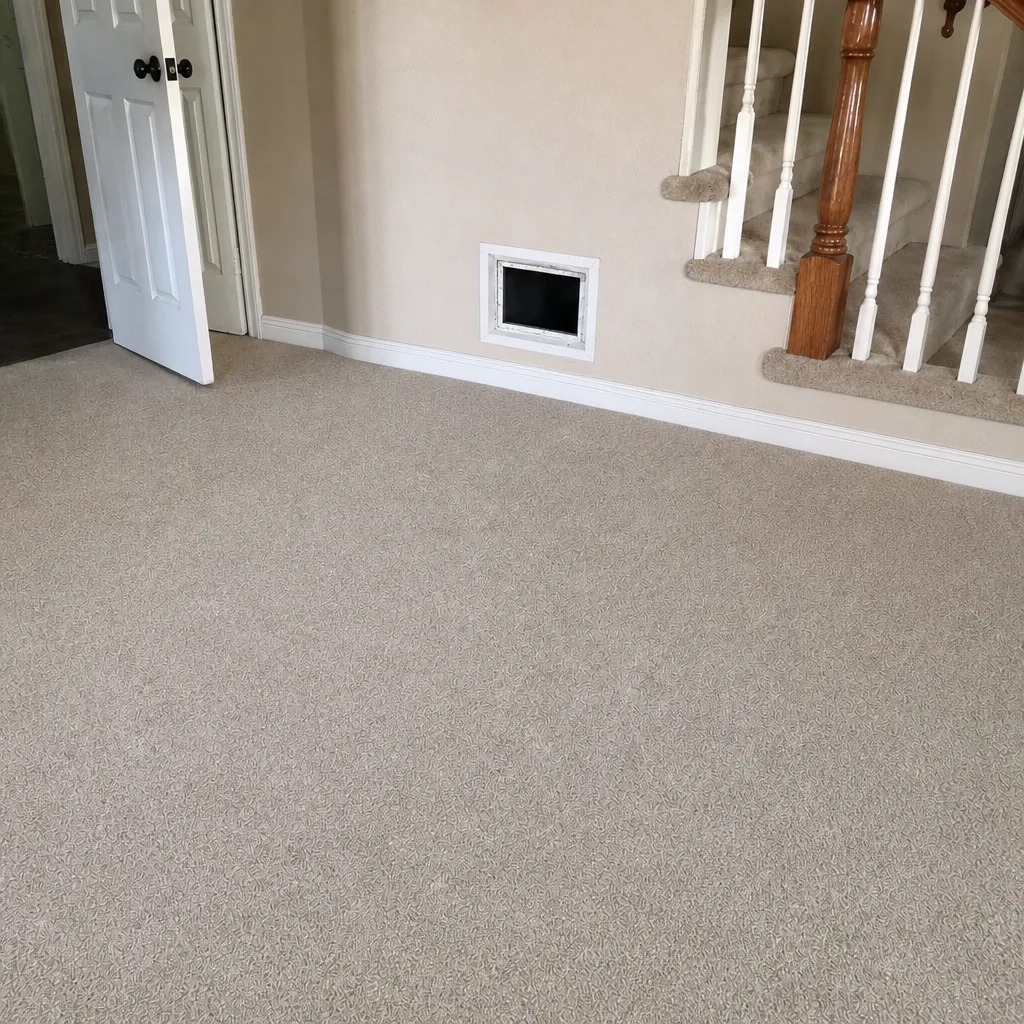 After
When to Call a Professional
Call a professional when any of the escalation thresholds in this guide are met: mold odor at furnace startup that lasts more than a week, allergy symptoms that track with system runtime, visible construction debris in the system after a renovation, airflow loss in a specific room that doesn’t resolve with a damper adjustment, or filter loading rate that’s dropped below 30 days consistently across two or three filter cycles. Also call if you can’t safely reach your accessible attic or crawlspace to check flex duct – the visual inspection is in the checklist for a reason, and a professional with the right equipment can cover it in a few minutes. Air Duct Cleaning Westminster Pros offers free estimates in Westminster – call (855) 337-2019. We answer 24/7. Fast dispatch from 7am to 7pm, Sunday through Friday.
The estimate is per job, written, and there’s no charge to have it prepared. If the log says you’re fine for another year, we’ll say so. If a scope is warranted, you’ll see exactly what it covers – cleaning, inspection, any repair and sealing, and the air quality step if it makes sense for your system.
Frequently Asked Questions
There’s no universal interval – the answer depends on your filter loading rate, pet count, and whether your system has been through a renovation. Track filter loading for three cycles and use the results. As a rough starting assumption, most homes fall somewhere in a two-to-five-year window, and homes with heavy loading signals (under 30 days per filter, visible debris at multiple registers, or a recent renovation) need attention sooner.
Filter loading rate is the fastest signal. If your filter used to last 90 days and now lasts 40, something changed and a professional assessment is worth the call. The second fastest is popping one supply register and shining a light into the boot – if you can see loose debris, spotting, or heavy coating, that’s a system that needs professional attention.
Both, but only if the whole system is addressed. Cleaning removes debris from the ducts; sealing closes the leaks that were pulling unfiltered air in; the air quality step – typically a treatment with products like Guardsman plus a filter upgrade using Honeywell or Aprilaire components – improves what the system does with the air going forward. A cleaning on its own produces a noticeable improvement in most homes, but the sealing and air quality step is what makes it durable.
A clean-looking filter with dust in the ducts usually means a return-side leak upstream of the filter – a gap at a boot connection, a seam that’s come loose on the return plenum, or a disconnected flex duct that’s pulling air from the attic or crawlspace. The leak is taking the dusty air in behind the filter. A duct inspection that checks for leaks is the right next step, and duct repair and sealing usually follows.
No – the dryer vent schedule should be set by load volume, not by your duct cleaning schedule. If your dryer takes noticeably longer than it used to, if the outdoor flapper doesn’t open freely during a cycle, or if it’s been more than a year with heavy laundry volume, schedule the dryer vent cleaning. The safety case is strong enough that it shouldn’t wait for a full duct cleaning appointment.
Ask for before-and-after photos of your own ducts, taken at the register boots and inside the plenum, and ask for a written report of findings with dates. A technician using Rotobrush and Nikro equipment can photograph the interior through the register openings before and after cleaning. In our experience, the honest crews welcome the request. If photos and a written report aren’t offered, ask – and expect them.
The Bottom Line
Air duct cleaning is a maintenance decision, not a scheduled service. The checklist that works for a Westminster home is: log your filter loading rate for three consecutive filters to establish a baseline, complete the seasonal visual inspection tasks each season, keep the dryer vent on its own load-based schedule, and watch for the specific escalation thresholds – mold odor at startup, symptom timing, post-renovation debris, and airflow changes. That’s the whole system. It costs nothing to run, it produces the documentation that manufacturer warranties require, and it tells you honestly when a professional scope is worth the money. When the log says it’s time, that’s what we’re here for.
Call (855) 337-2019. We answer 24/7. Fast dispatch from 7am to 7pm, Sunday through Friday. Estimates are free, and the written estimate sets the final price.
Written by the team at Air Duct Cleaning Westminster Pros.