
Last updated November 23, 2026
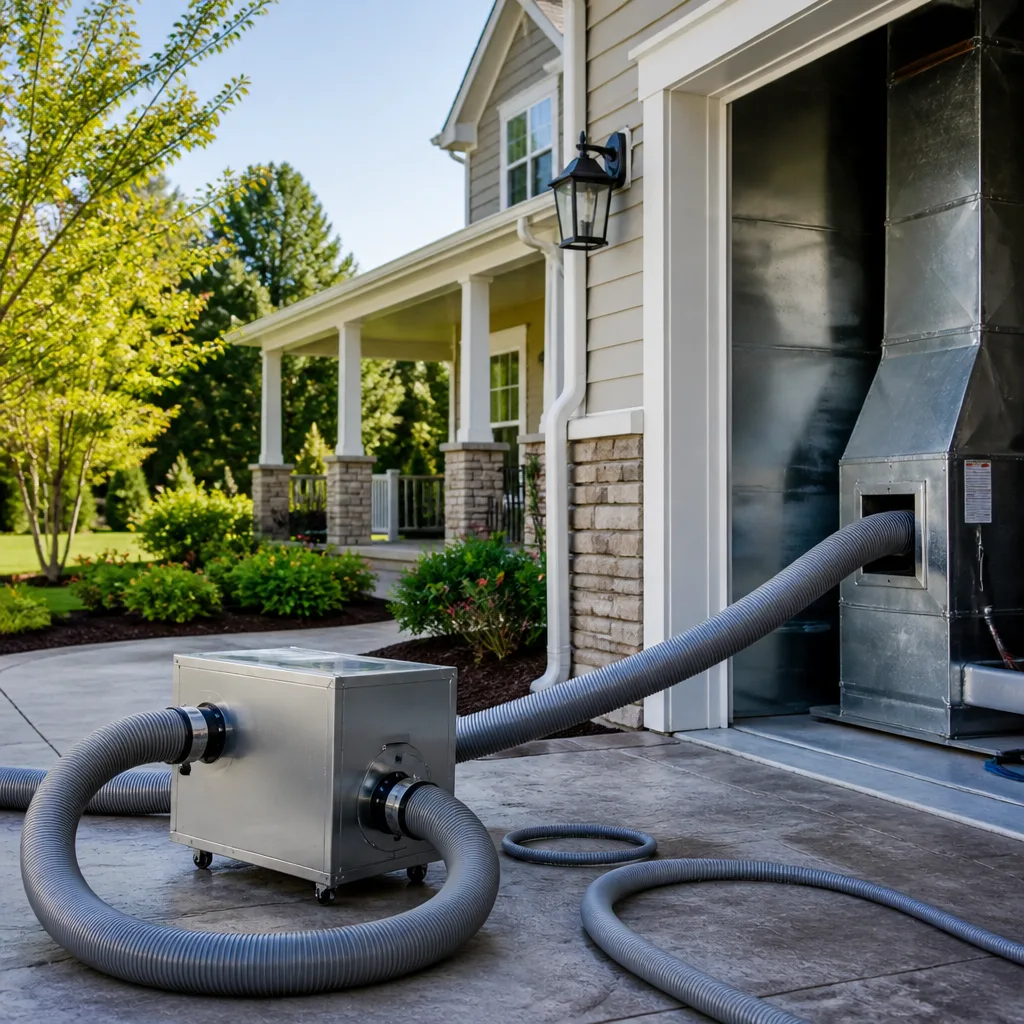 Whole-home duct cleaning
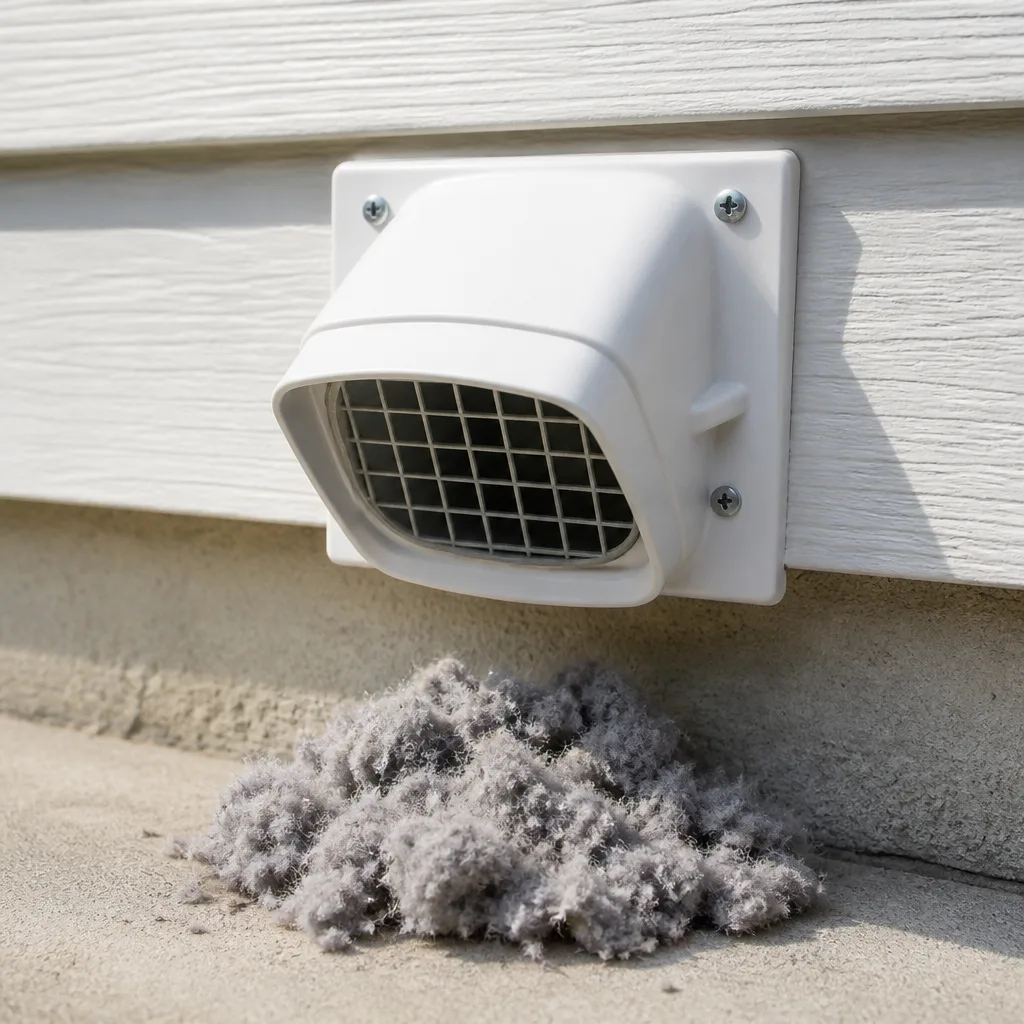 Dryer vent cleaning
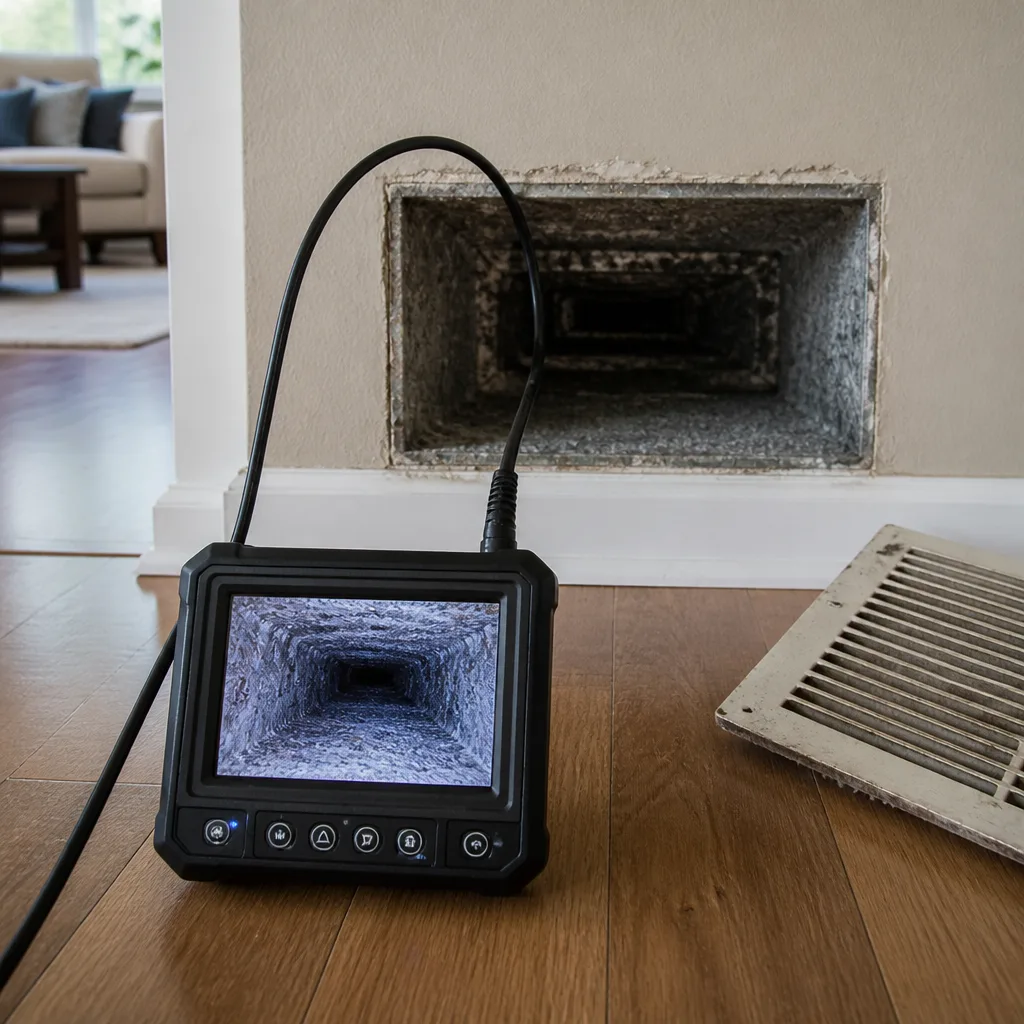 Camera inspection
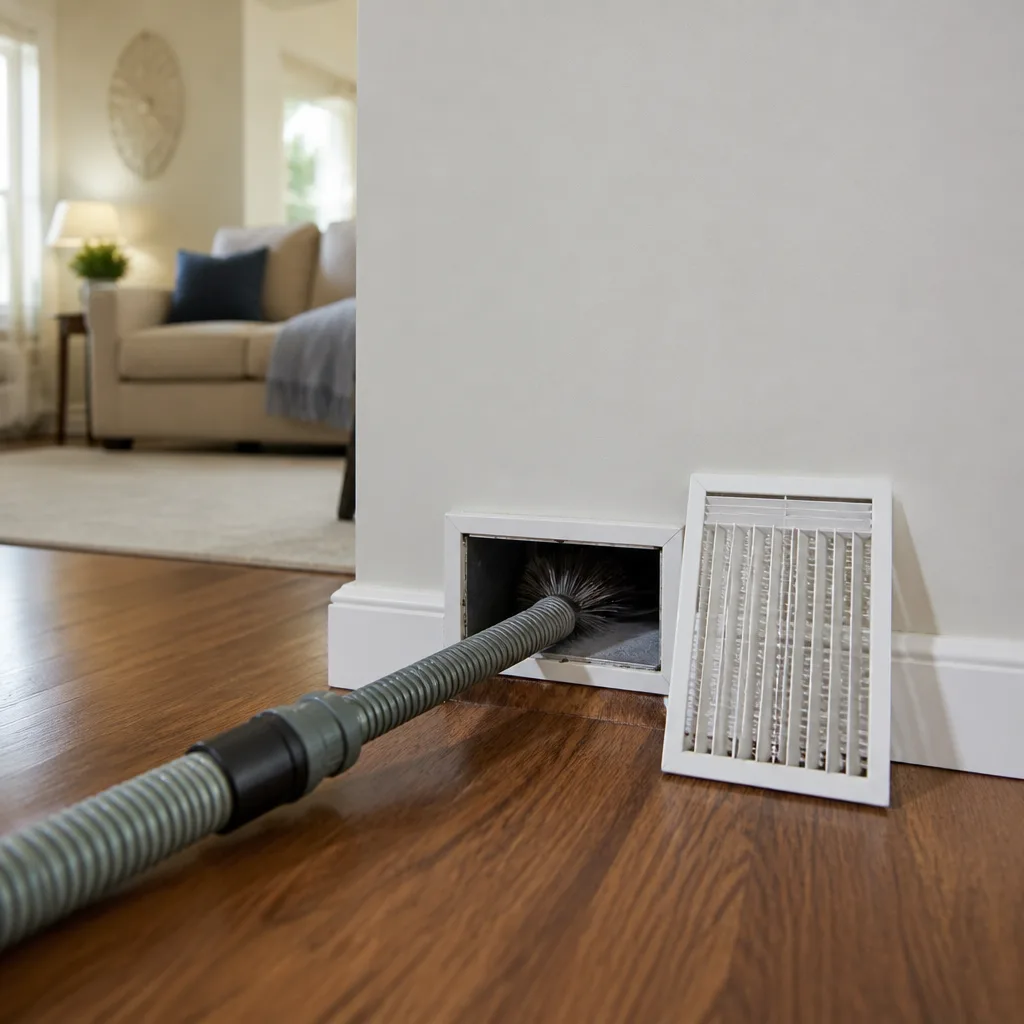 Sanitizing & deodorizing
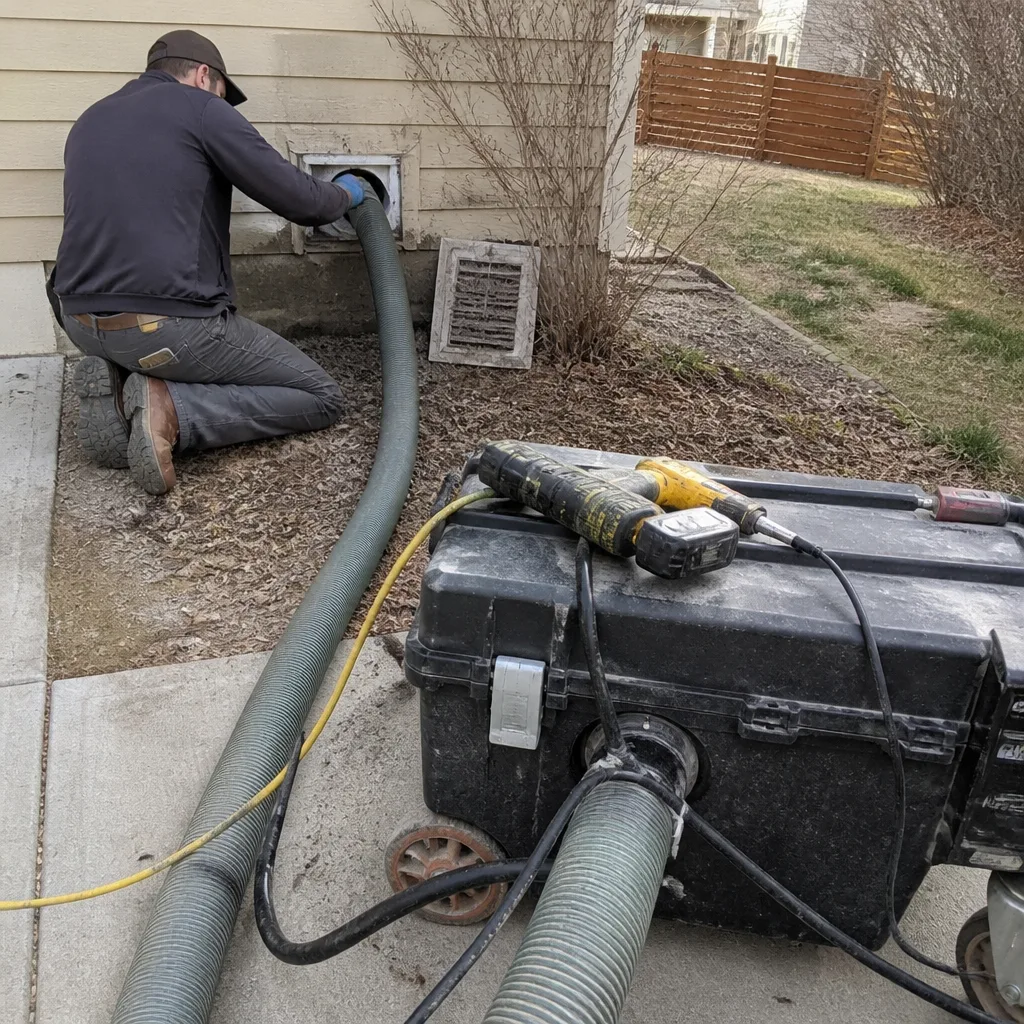
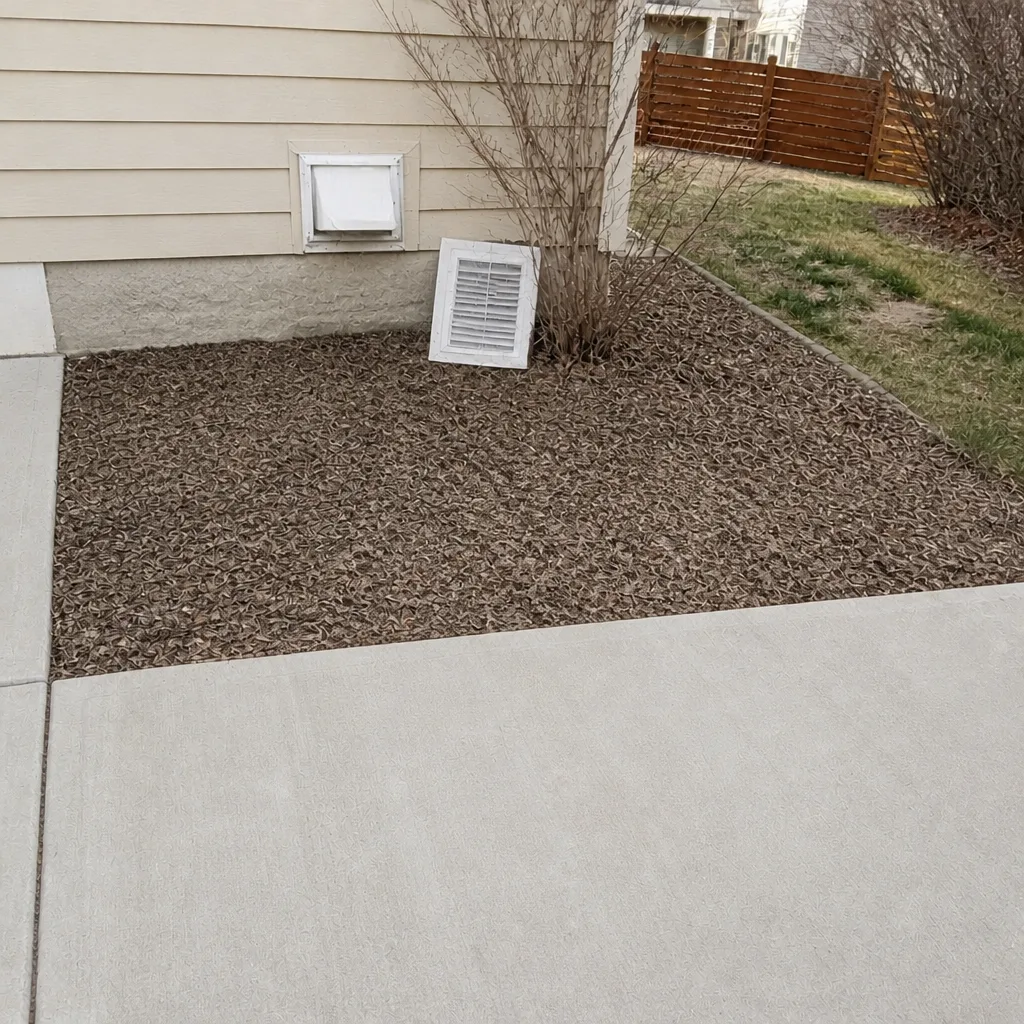
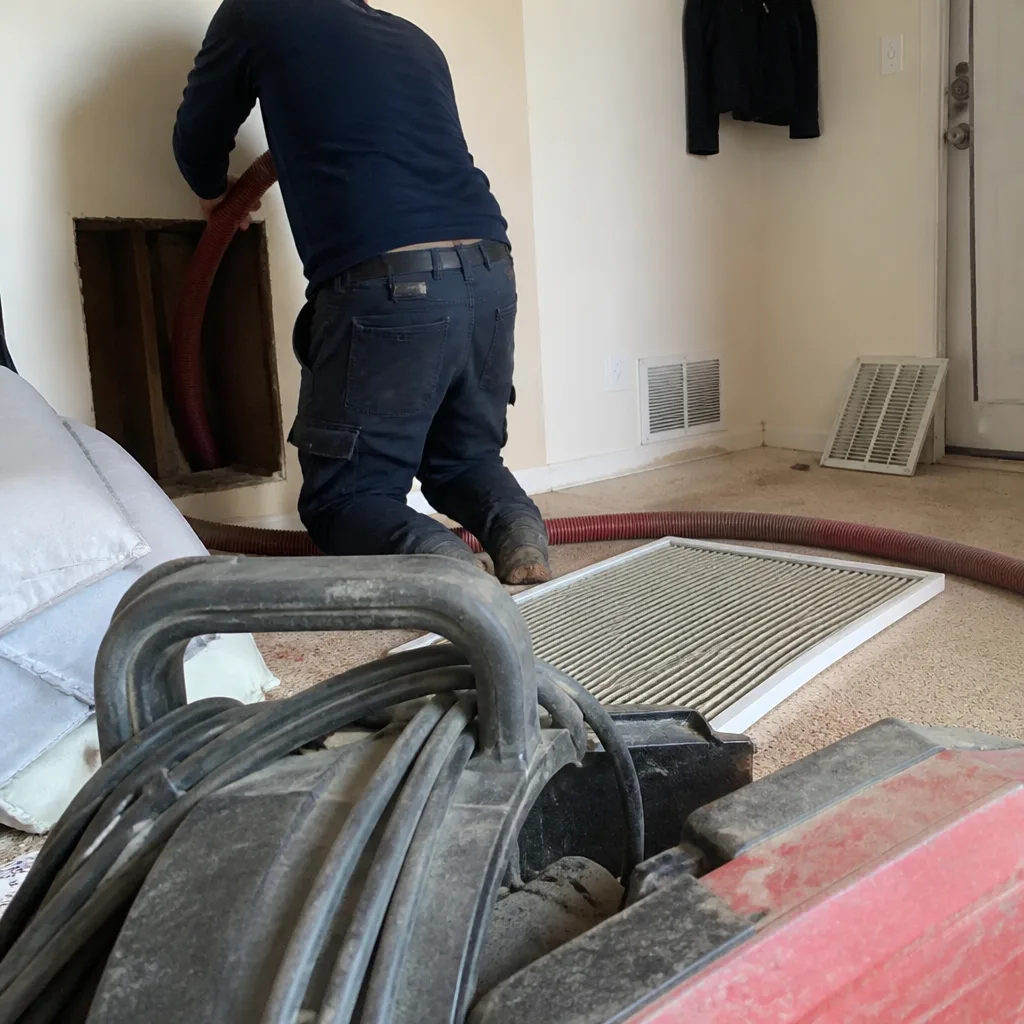
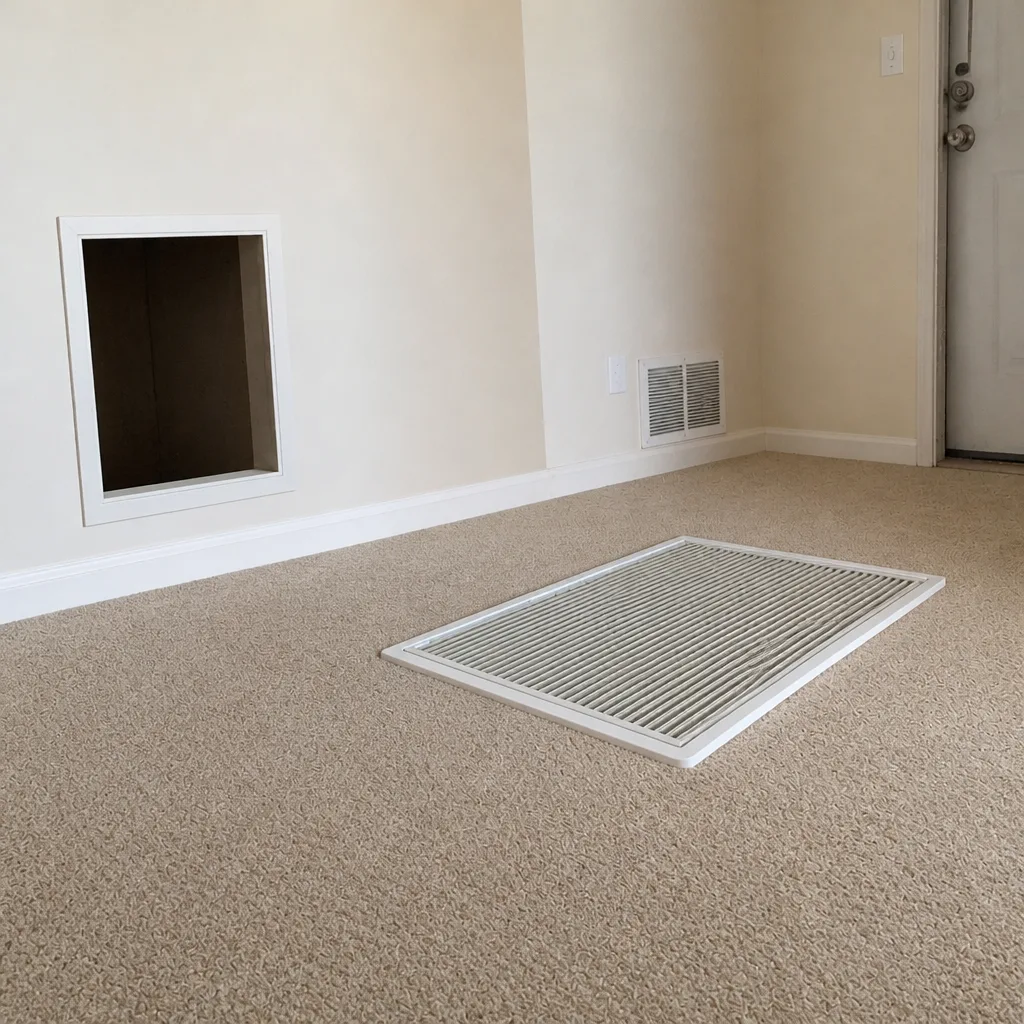
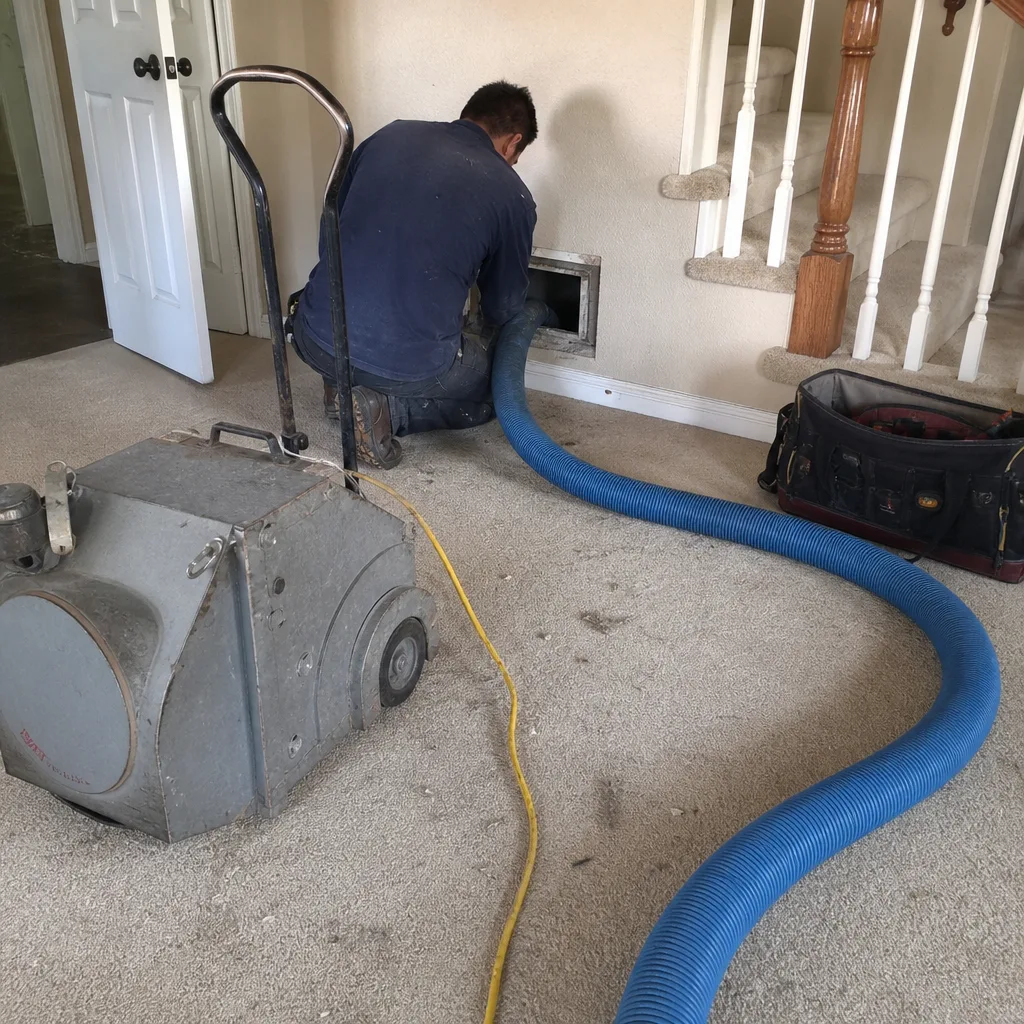
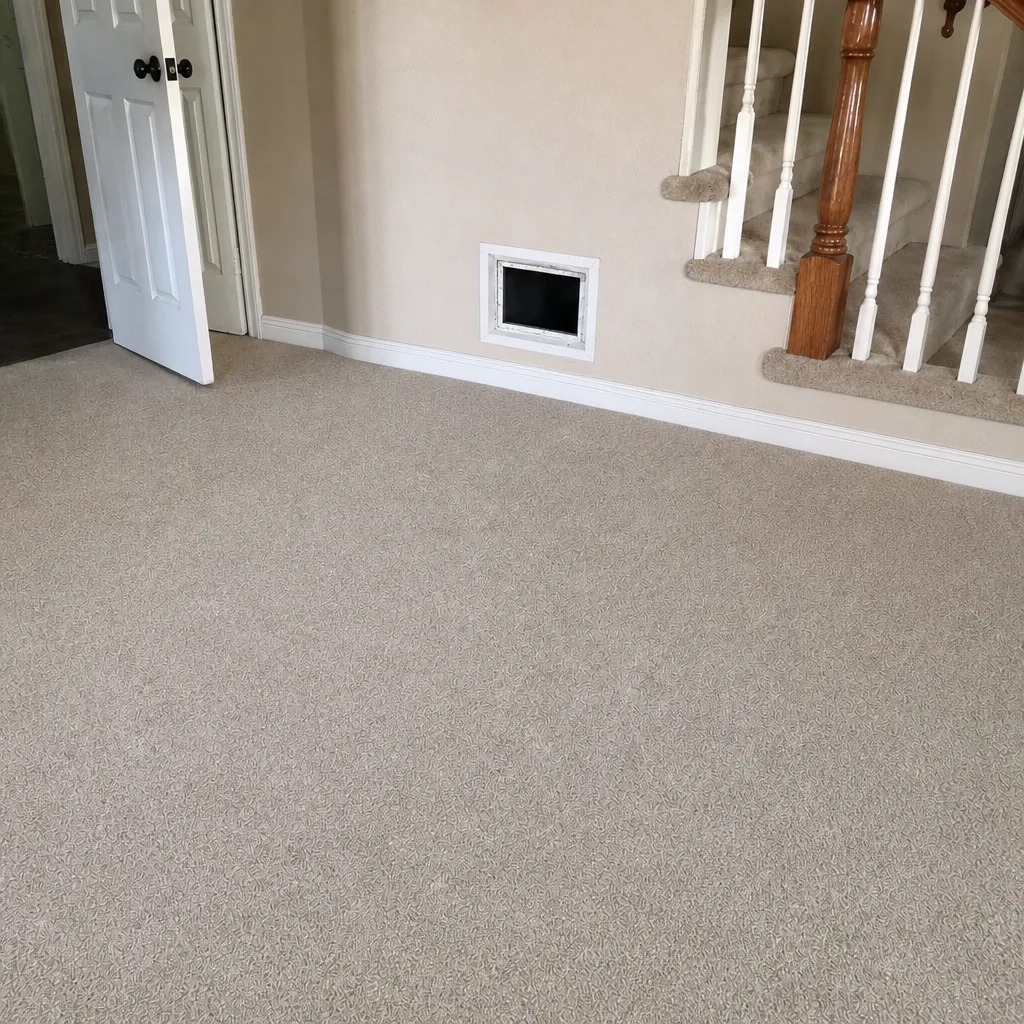
Whole-system duct and dryer vent check with before-and-after photos - you see exactly what came out of your vents
That "$99 whole-house special" is a bait ad - the real number appears once they are in your hallway, or the "clean" is a shop-vac at the register. We photograph the inside of your ducts before and after instead.
Air Duct Cleaning Emergency Preparedness Guide for Westminster Homes
Most duct cleaning calls we get after a regional disaster are the wrong kind of call. Homeowners assume a standard cleaning will solve a smoke or moisture problem, and sometimes it does the opposite: aggressive brushing on contaminated liner can push fine particulate back into living space before anyone has set up containment. The other misconception is that ductwork is sealed off from the outside world. It isn’t. Your system pulls air from wherever the return is, and after a fire miles away or a storm that floods a crawlspace, that air carries contamination the filter was never designed to stop. This guide covers what actually happens to ductwork after a smoke event or a water intrusion in Westminster, what to do in the first hours, and how to vet the crews who show up afterward.
Quick Answer
After a wildfire smoke event or a flood affecting your home, ductwork in Westminster needs professional assessment before any cleaning begins, because smoke particulate that settled on duct liner and moisture that entered basement or crawlspace runs require different protocols: HEPA-rated vacuum containment and controlled agitation for smoke, and drying plus antimicrobial treatment within 48 to 72 hours for water. Standard duct cleaning, odor foggers, and ozone treatments don’t remove the particle load that matters for long-term respiratory health. Call a crew that uses professional-grade equipment and documents the work before and after.
Styles & brands we work with
- Whole-home duct cleaning
- Dryer vent cleaning
- Camera inspection
- Sanitizing & deodorizing
Table of Contents
- Why Westminster Duct Systems Face a Different Emergency Profile
- The Wildfire Smoke Protocol for Ductwork
- Flood and Moisture Intrusion: The 48 to 72 Hour Window
- Smoke Odor vs. Smoke Particulate: Why the Difference Matters
- Pre-Disaster Prep: Building a Clean-State Benchmark
- How to Vet Emergency Duct Cleaning Contractors in Westminster
- Documentation for Insurance and FEMA Claims
- Common Mistakes to Avoid
Why Westminster Duct Systems Face a Different Emergency Profile
Westminster sits in a spot that gets hit from two directions. To the west, the foothills and the wildland-urban interface that runs up toward the mountains produce smoke events that can blanket the metro for days or weeks at a time. To the east and through the older core of the city, the storm drainage infrastructure in some established neighborhoods is undersized for the rain events the Front Range now sees, and water in a basement or crawlspace is a recurring problem, not a freak occurrence. A duct system in Westminster isn’t just dealing with dust and dander. It’s dealing with episodic contamination events.
That shapes how we approach air duct cleaning here. A house in Legacy Ridge or in the older neighborhoods near Westminster Station may look identical to a house in a milder climate, but the duct runs in a ranch with a crawlspace have very different moisture exposure than a two-story with a conditioned basement. Clay-heavy soil holds water against foundation walls longer than sandy ground does, and that moisture finds its way into crawlspace duct runs that were never designed to sit wet.
What this means practically:
- Smoke events are regional, not property-specific. Even if the fire never came near your street, your HVAC system may have pulled particulate into the return and deposited it on duct liner surfaces over days of operation.
- Moisture intrusion in Westminster basements often starts slow, through foundation walls and floor penetrations, and doesn’t announce itself until you smell it.
- Older housing stock in the city core frequently has flex duct or duct board in crawlspaces, both of which absorb water and smoke residue differently than sheet metal.
- Filter changes alone don’t reset the system. A filter traps what passes through it; it doesn’t remove what already settled downstream.
Both contamination events share one requirement: assessment before action. We inspect the system first, then decide what it needs, and often that means Duct Repair & Sealing is part of the answer because the contamination got in through a leak in the first place.
The Wildfire Smoke Protocol for Ductwork
Smoke from a wildfire is not uniform. It carries fine particulate in the PM2.5 range, along with ash, char, and volatile organic compounds that settle at different rates along the duct run. The coarse material drops out first, often at the return grille and the first few feet of trunk line. The fine particulate travels further and can bond to duct liner, especially the fibrous interior of duct board and flex duct. That’s the contamination that matters most, and it’s the part a shop vac can’t touch.
Proper post-smoke cleaning follows a sequence. The order isn’t arbitrary.
- Containment first. Before any agitation, we set up negative-air containment using Abatement Technologies equipment so that dislodged particulate doesn’t migrate into living space. Working without containment on a smoke-affected system is how particulate ends up on your furniture and in your lungs instead of in the vacuum.
- HEPA vacuum, then mechanical agitation. Nikro HEPA-rated vacuum equipment pulls the loose particulate out under negative pressure. Only after the vacuum is running do we introduce the Rotobrush rotary-brush system to agitate what has bonded to the liner. Reversing that order releases fine particulate into the air before there’s anything to capture it.
- Zone-by-zone progression. We clean from the farthest branch back toward the air handler, so contamination is always moving toward the vacuum and never doubling back over cleaned sections.
- Assessment of the liner. Smoke-saturated flex duct or duct board that has lost integrity gets flagged. In some cases Duct Repair & Sealing or partial duct replacement is the right call, because cleaning a compromised liner is a temporary fix.
- Post-cleaning air quality treatment. Air Quality & Sanitizing with Guardsman products addresses residual odor and surface contamination. Honeywell and Aprilaire filtration components can be added at the air handler to catch what the original filter was never rated to handle.
Duration matters too. A smoke-affected system takes longer than a routine cleaning because the containment setup and the sequencing add time. If a crew quotes you a flat one-hour window for a smoke job, ask what equipment they’re bringing.
Flood and Moisture Intrusion: The 48 to 72 Hour Window
Water in ductwork is a clock. In the first 24 hours, the problem is saturation. Between 24 and 48 hours, microbial growth begins on wet surfaces, particularly the fibrous interior of duct board and the insulation jacket of flex duct. By 72 hours, colonization is established enough that cleaning alone may not solve it. That timeline is the same whether the water came from a storm drain backup, a failed sump, or a slow foundation leak that finally soaked the crawlspace insulation around the duct run.
Westminster’s clay soil matters here. Water that gets into a crawlspace doesn’t drain away quickly. It sits against the foundation, wicks up into insulation, and holds humidity in the crawlspace for weeks unless it’s actively dried. Duct runs sitting in that environment are effectively in a humid chamber.
What the intervention looks like:
- Stop the source. No amount of duct work fixes an active leak. Get the water source addressed first.
- Dry the space. The crawlspace or basement needs mechanical drying before duct cleaning makes sense. Cleaning wet ducts is wasted effort.
- Inspect for microbial growth. Visual inspection of duct interiors, especially flex duct and duct board, tells you whether you’re dealing with damp contamination or colonized contamination. The response differs.
- HEPA vacuum and antimicrobial treatment. Nikro HEPA equipment removes debris and microbial particulate under containment, and Guardsman antimicrobial products treat surfaces after cleaning.
- Repair compromised sections. Wet flex duct often can’t be saved. Duct Repair & Sealing replaces failed sections and seals the system so the next water event doesn’t find its way in.
Document everything from the moment you notice water. Photograph the affected area, the duct material, and any visible growth. That documentation matters for the insurance section below, and it matters for deciding whether cleaning or replacement is the honest answer.
Smoke Odor vs. Smoke Particulate: Why the Difference Matters
These are two different problems and they get solved two different ways. Smoke odor is the volatile compounds that off-gas from char and residue. You smell it, it’s unpleasant, and it can often be knocked down with a surface treatment. Smoke particulate is the physical load of fine particles that settled on duct surfaces and liner. You can’t smell it once the volatiles dissipate, but it’s still there, and it’s what circulates every time the system runs.
The trap is treating one and assuming you’ve handled the other. Ozone generators and foggers address odor. They do nothing to the particle load. In our experience, a homeowner who’s had an ozone treatment after a smoke event often reports the smell is better but the allergy symptoms, the dust settling on surfaces, and the musty note when the heat kicks on are unchanged. That’s because the particulate is still in the system.
Here’s the distinction in practical terms:
- Odor is a gas-phase problem. Treatment is surface-level and often temporary if the source (contaminated liner, settled ash) hasn’t been removed.
- Particulate is a physical deposit. It needs mechanical removal under HEPA containment. Rotobrush agitation combined with Nikro vacuum is the mechanism.
- Odor returning weeks later is usually a sign the particulate source was never removed.
- Symptoms that don’t resolve after an odor treatment point to the particle load, not the smell.
The honest sequence after a smoke event is mechanical cleaning first, then sanitizing treatment afterward if odor persists. Doing it in the other order is common in the market because it’s faster and cheaper, and it leaves the actual problem in place.
Pre-Disaster Prep: Building a Clean-State Benchmark
The best time to document your duct system is before anything happens to it. After a contamination event, insurance adjusters and cleanup crews want to know what was normal. If you have a baseline, you can show them. If you don’t, you’re arguing from memory, and memory is not documentation.
Building a clean-state benchmark takes an hour and costs nothing beyond your time.
- Photograph the visible system. Return grilles, supply registers, the air handler cabinet, the filter slot, and every accessible length of duct in the basement or crawlspace. Wide shots and close-ups. Date-stamp them.
- Record your baseline airflow. A cheap handheld anemometer held at each register gives you a comparative reading. You don’t need absolute accuracy; you need to know what this register felt like when everything was clean.
- Note your filter spec. Write down the MERV rating and part number of the filter currently installed, plus how long it’s been in service. This becomes a reference point after a smoke event, when a filter that was rated MERV 8 is suddenly inadequate.
- Document any visible duct material. Flex duct, duct board, and sheet metal all behave differently in a contamination event. Note what you have and where.
- Keep a short written log. Dates of last cleaning, filter changes, and any repairs. A single page is enough.
For property managers running multiple units in Westminster, the same exercise works at the building level: one baseline set per unit, stored digitally. After a regional event, that file is what you hand to the adjuster.
How to Vet Emergency Duct Cleaning Contractors in Westminster
After a regional disaster, the market fills up. Crews from out of state move in, sometimes with legitimate equipment and sometimes with a shop vac, a fogger, and a flatbed. The problem isn’t that outsiders can’t do good work. It’s that after a disaster, there’s no time to check references and no easy way to hold anyone accountable once they’ve moved on to the next town.
Ask these questions before anyone starts work. A legitimate operation answers them without hesitation.
- What containment do you use? The answer should name Abatement Technologies negative-air equipment or an equivalent. “We put down drop cloths” is not containment.
- What’s your vacuum rated for? Nikro HEPA-rated equipment or a named equivalent. HEPA matters specifically after smoke and moisture events because the particulate you’re removing is fine enough to pass through a standard shop vac filter.
- How do you agitate the liner? Rotobrush rotary-brush systems are the benchmark for mechanical cleaning. Whipping a hose around inside the duct is not the same thing.
- Do you offer repair and sealing? A crew that only cleans will clean around a leak. Duct Repair & Sealing addresses the leak itself, which matters if the contamination got in through a compromised joint or a failed liner.
- Will you show me before-and-after photos? Of my system, not a stock set. This is the single most useful accountability check after a disaster.
- Are you licensed and insured as the state requires? Ask for documentation. After a disaster, this is the difference between a crew with a business to protect and one that disappears.
- What’s the written scope? One flat price per system agreed before work starts, with the scope spelled out. Anything vague about what “cleaning” includes is a red flag.
Our technicians have up to 15 years of experience on systems like yours, and we bring chemical-free mechanical cleaning with industrial-grade equipment on every job. We also handle dryer vent cleaning and full HVAC cleaning if the assessment turns up contamination beyond the duct run itself.
Documentation for Insurance and FEMA Claims
Insurance claims for duct contamination get denied for one main reason: insufficient documentation of pre-event condition and post-event damage. The adjuster needs to see what was there before and what’s there now, and if your file is thin, the claim gets written down or rejected.
What a complete claim file includes:
- Pre-event photos and baseline readings (from the section above).
- Date and description of the event. Smoke event dates are often publicly documented by the fire authority or air quality agencies. Save those references.
- Post-event inspection photos showing visible contamination in the system before cleaning.
- The written scope from your contractor, with the flat per-system price and what’s included.
- Before-and-after photos of your system from the completed job.
- Service documentation noting the equipment used, the cleaning method, and any treatment applied.
FEMA assistance and homeowner insurance operate on different tracks, and a claim may involve both. In either case, the same documentation serves both. Keep everything in one folder, digital and dated. If the event is declared a federal disaster, additional review processes may apply; check the current guidance from FEMA and your insurer rather than relying on what you’ve heard.
One point worth making: the cleaning invoice is not a substitute for the documentation file. The insurer wants the context, not just the receipt.
Common Mistakes to Avoid
- Running the system continuously during a smoke event. A running HVAC system pulls smoke into the return and distributes it throughout the duct run. During heavy smoke, running the fan on low with a high-MERV filter is a better default than normal operation, and it limits new deposits while you wait for a professional assessment.
- Treating odor and calling it done. Foggers and ozone address the smell, not the particulate. If the system still has settled contamination on the liner, the particle load is still moving through your house on every cycle.
- Cleaning before drying. Wet or damp ducts cleaned without drying first just redistribute moisture. In Westminster’s clay-soil crawlspaces, drying is a separate step that takes time.
- Skipping containment to save time. Agitating duct surfaces without Abatement Technologies negative-air equipment or equivalent pushes fine particulate into the room. This is the most common shortcut we see, and it’s the one that undoes the benefit of the cleaning.
- Hiring on price alone after a regional event. The cheapest quote after a disaster is frequently the one with the least equipment and no follow-up. One flat price per system from a well-equipped crew is a better value than a low number from a crew with a shop vac.
- Not documenting the system before the event. No baseline means no way to demonstrate what changed. It’s the single most avoidable mistake in the entire claim process.
- Assuming a filter change solves it. A filter catches what passes through it going forward. It does nothing about what’s already downstream on duct surfaces.
See the difference
 Before
 After
 Before
 After
 Before
 After
When to Call a Professional
Call us if smoke from a regional fire event has been in the air for more than a day and your system ran during it, especially if you’ve noticed musty odors, increased dust settling on surfaces, or allergy symptoms that appeared afterward. Call us if any water reached your basement or crawlspace and touched ductwork; the 48 to 72 hour window is real and worth acting on quickly. Call us if you’ve had an odor treatment that didn’t stick, or if a contractor has quoted you a price without inspecting the system first. Air Duct Cleaning Westminster Pros offers free estimates in Westminster. Call (855) 337-2019. We answer 24/7. Fast dispatch from 7am to 7pm, Sunday through Friday. The estimate sets one flat price per system with before-and-after photos of your own ducts, so you can see exactly what changed.
Frequently Asked Questions
Schedule the assessment as soon as the smoke has cleared and the system has stopped running during the event. There’s no benefit to waiting, and the longer fine particulate sits on duct liner surfaces, the more it bonds and the harder it is to remove. If the system hasn’t been run during the smoke event, the contamination load is likely lower, but a professional inspection is still worth having. Call (855) 337-2019 for a free estimate.
It depends on the duct material and the timeline. Sheet metal ductwork that got wet can often be dried, cleaned, and treated if the intervention happens within 48 to 72 hours. Flex duct and duct board that sat in water for longer are frequently not salvageable, and replacement is the honest answer. The way to know is a professional inspection before committing to either path. Call (855) 337-2019 and we’ll assess the system before quoting anything.
Often it can, if the event is covered and you have documentation of pre-event condition and post-event damage. Coverage depends on your specific policy and the cause of the event, so check with your insurer for the terms that apply. The documentation checklist in this guide is designed to give you what an adjuster typically needs. Call (855) 337-2019 if you’d like an inspection to start the file.
Typically because the equipment and scope are different. A low quote often reflects a shop vac and a fogger with no containment, no HEPA vacuum, and no rotary-brush agitation. The work looks similar on the invoice and very different in the duct. Ask what equipment will be on site before comparing prices. One flat price per system from a crew with real equipment is the way to compare honestly. Call (855) 337-2019 for a free estimate.
Before-and-after photos of your own system, not stock images. That’s the accountability standard we work to. Ask any contractor to document the system before cleaning begins and after it’s complete, and compare the images. If you didn’t see the work and can’t see the photos, you’re taking it on faith. Call (855) 337-2019 and we’ll show you what we find.
Odor treatment addresses the volatile compounds that off-gas from smoke residue; duct cleaning removes the physical particle load that settled on duct surfaces and liner. Ozone and foggers treat the first and not the second, which is why the smell can fade while the particulate problem persists. For a smoke event that ran through your HVAC system, mechanical cleaning under containment comes first, and sanitizing treatment follows. Call (855) 337-2019 to schedule an assessment.
The Bottom Line
Westminster duct systems deal with two kinds of emergencies: smoke events that deposit fine particulate on duct liner even when the fire is miles away, and moisture intrusion through clay-soil foundations that starts a microbial clock running. Both require assessment before action, HEPA containment during the work, and mechanical agitation with professional equipment rather than a shop vac and a fogger. The single most useful thing you can do is document your system’s clean state before anything happens, so you have a baseline when you need one. When a contamination event hits, call a crew that will show you before-and-after photos, agree to one flat price per system, and bring actual industrial-grade equipment: Abatement Technologies containment, Nikro HEPA vacuum, Rotobrush agitation. Our technicians have up to 15 years of experience on systems like yours, and we repair what we find rather than cleaning around it.
Call (855) 337-2019 for a free estimate. We answer 24/7. Fast dispatch from 7am to 7pm, Sunday through Friday. Explore our Air Duct Cleaning Westminster Pros services if you want to see the full scope of what we handle, from cleaning to Duct Repair & Sealing to Air Quality & Sanitizing, all with one crew, start to finish.
Written by the team at Air Duct Cleaning Westminster Pros.