
Last updated November 23, 2026
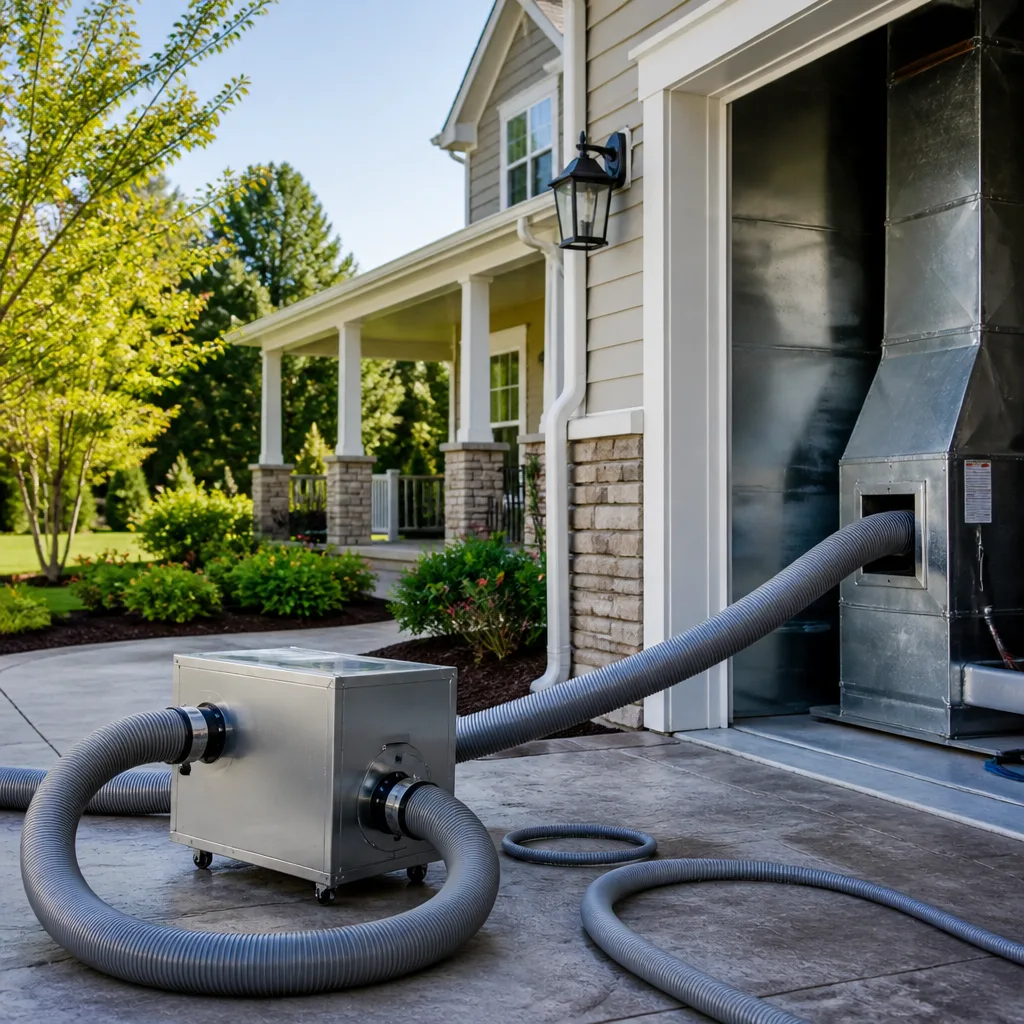 Whole-home duct cleaning
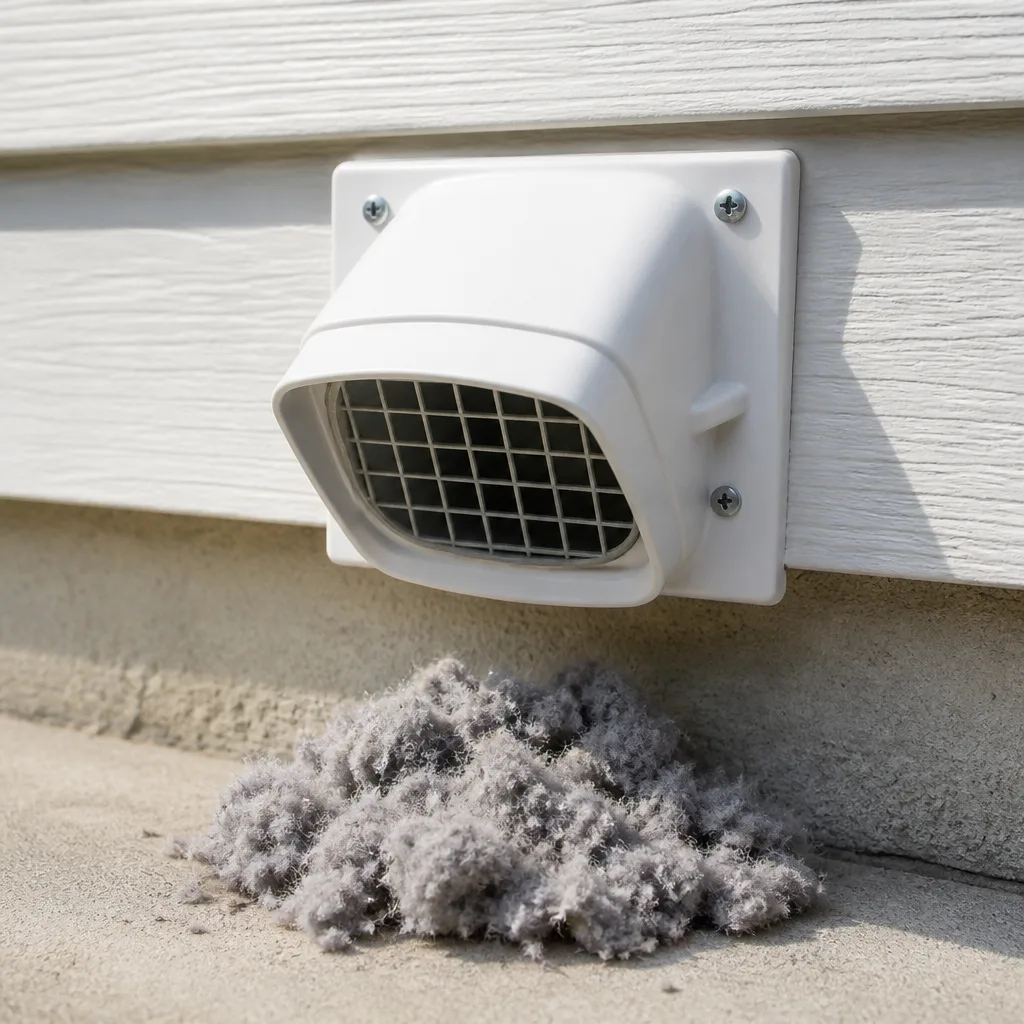 Dryer vent cleaning
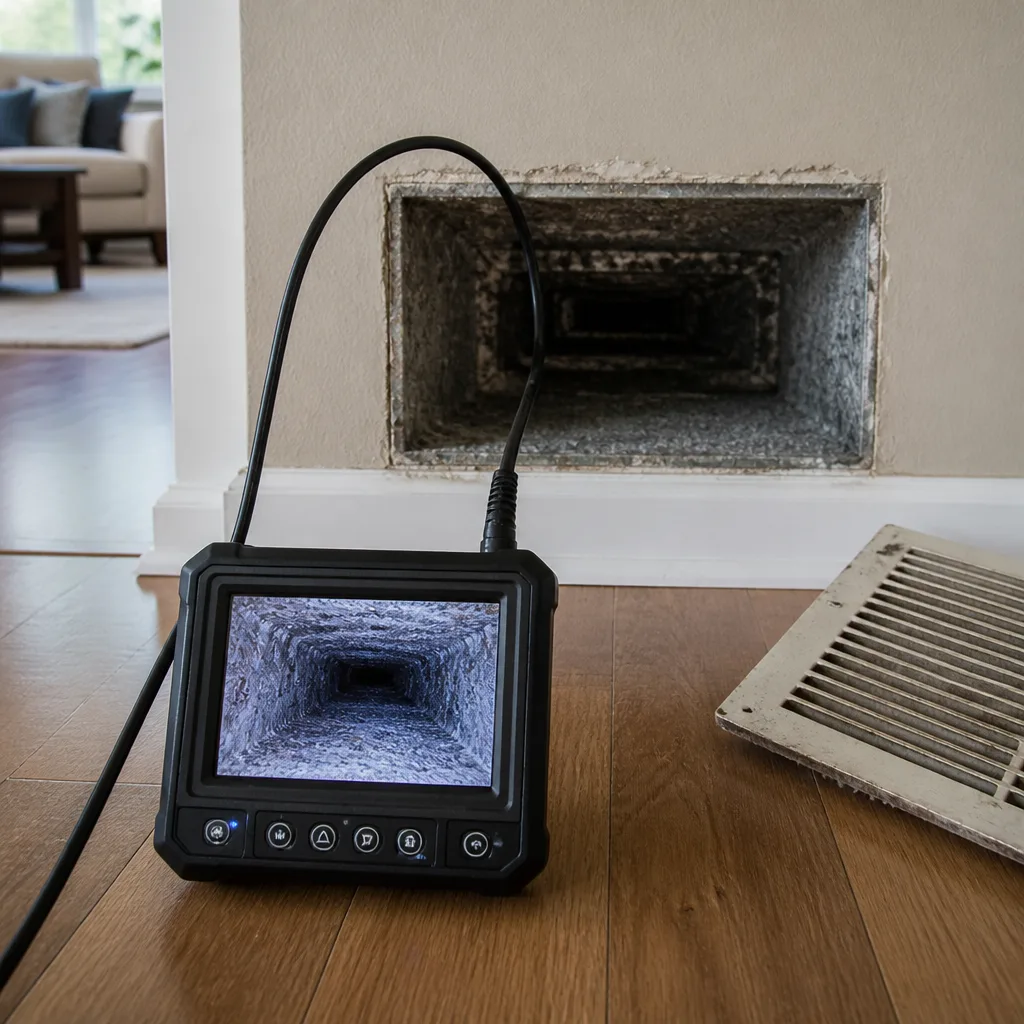 Camera inspection
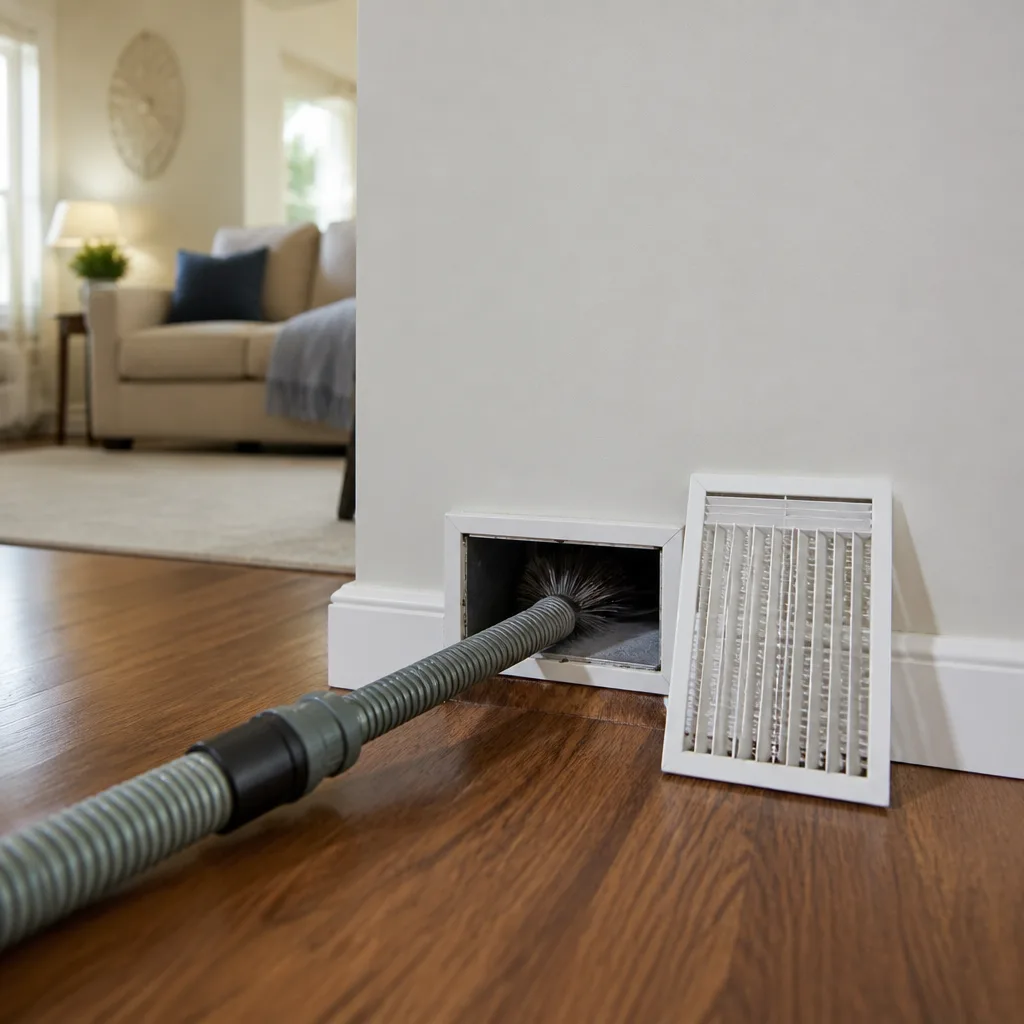 Sanitizing & deodorizing
Whole-system duct and dryer vent check with before-and-after photos - you see exactly what came out of your vents
That "$99 whole-house special" is a bait ad - the real number appears once they are in your hallway, or the "clean" is a shop-vac at the register. We photograph the inside of your ducts before and after instead.
Air Duct Cleaning Cost Breakdown: The Westminster Homeowner’s Reference for 2026
A $149 whole-house duct cleaning quote and a $650 quote can both be completely honest numbers. They’re just for entirely different scopes of work. One is a quick pass with a shop vac and a leaf blower; the other is a contained, mechanically agitated, HEPA-filtered cleaning of every branch line in your system, with photo documentation before and after. Neither number is a lie. The problem is that Westminster homeowners compare them side by side as if they’re the same job. This guide breaks down the five variables that actually move the price in Westminster, what per-vent and whole-system pricing models hide, and which add-ons are worth paying for.
Quick Answer
Air duct cleaning in Westminster typically runs $350 to $700 for a standard single-family home, with most ranch and tri-level homes landing in the $400 to $550 range once return branches and access difficulty are factored in. Homes with older galvanized sheet metal ductwork, multiple systems, or heavy contamination can reach $800 to $1,200. The written estimate sets the final price, and it should itemize scope, not just a number.
Styles & brands we work with
- Whole-home duct cleaning
- Dryer vent cleaning
- Camera inspection
- Sanitizing & deodorizing
Table of Contents
- The Five Variables That Move the Price in Westminster
- What Per-Vent Pricing Hides (and What Whole-System Pricing Should Include)
- Westminster Housing Stock: Why 1970s Ranches Cost More to Clean
- Line-Item Cost Breakdown for a Typical Westminster Job
- The Honest ROI Calculation
- What’s Worth Paying Extra For (and What Isn’t)
- Questions That Make Two Quotes Comparable
- How a Proper Duct Cleaning Job Actually Runs
The Five Variables That Move the Price in Westminster
Five things drive the price of a legitimate duct cleaning job, and none of them is square footage. Two homes of identical size on the same Westminster street can differ by $300 in price because of what’s inside the walls, not what’s on the listing sheet.
1. System size, counted in branches. What matters is the number of supply and return branch lines connected to the air handler. A 1,400 square foot ranch with eight supplies and one return is a smaller job than a 1,400 square foot tri-level with twelve supplies and three returns. Ask any bidder how many branches they counted on your system, and whether that count matches what you can see in the basement or crawlspace.
2. Access difficulty. A single-story home with a full unfinished basement and exposed trunk line is the easiest possible configuration. Add a tri-level layout, a low crawlspace, a finished basement ceiling, or a furnace tucked into a closet, and the time required climbs. In Westminster’s older neighborhoods, cramped mechanical spaces are common, and access is often the single biggest line item behind the total.
3. Equipment class. This is where quotes diverge most. Professional cleaning uses rotary-brush agitation systems and HEPA-rated negative-air equipment. A low-bid operation may arrive with a portable blower and no containment at all. The equipment class determines both the price and whether the job actually accomplishes anything.
4. Sanitizing add-on. Post-cleaning sanitizing is a separate service with its own product cost. It’s optional in most cases, and whether it’s worth it depends on what was found inside the system.
5. Post-job verification. Camera inspection before and after adds time to the job. It’s also the difference between believing the work was done and knowing it was.
What Per-Vent Pricing Hides (and What Whole-System Pricing Should Include)
Per-vent pricing is the most common model in the Denver metro, and it’s built to be compared on a single number: vents multiplied by a rate. The problem is that “vent” isn’t a standardized unit. One company counts only supply registers. Another counts supplies and returns. A third counts the trunk line and the air handler coil as separate charges that appear at the end. By the time the invoice is written, the per-vent number has quietly become something else.
Whole-system flat pricing works the other way. One price is agreed before work starts, and it covers the entire system as scoped during the walkthrough. For that format to be honest, the scope has to be specific. Here’s what a legitimate whole-system quote should state in writing:
- The exact number of supply and return branches included
- Whether the trunk line is included or charged separately
- Whether the air handler and blower compartment are cleaned as part of the price
- Whether containment and negative air are used during the job
- Whether before-and-after photos of your own ducts are provided
- Whether any sanitizing or sealing is included, and what it costs if added later
- What happens if the technician finds damaged or disconnected duct sections mid-job
That last point matters more than most homeowners expect. A thorough cleaning regularly turns up failed joints, torn flex, or disconnected runs, especially in older Westminster homes. We repair what we find, which is why air duct cleaning and duct repair are offered as connected services rather than separate vendor relationships. A crew that cleans without inspecting is leaving the actual cause of air loss untouched.
Westminster Housing Stock: Why 1970s Ranches Cost More to Clean
Westminster’s housing stock spans several eras, and the ductwork inside each era behaves differently. The 1970s and early 1980s ranch homes common across the central and southern parts of the city were built with galvanized sheet metal duct systems, often with long trunk runs and interior branch takeoffs that are hard to reach. Those systems typically cost more to clean than newer installations, and the reason is mechanical rather than arbitrary.
Galvanized sheet metal accumulates debris differently than flex duct. The rigid walls hold dust in a way that requires rotary-brush agitation to break loose, and the brush head needs the right attachment for the duct’s profile at every transition. Older systems also tend to have more seams, more elbows and more branch transitions, which means more access points have to be cut and resealed. A single-story ranch with a full basement is straightforward to access; a tri-level with a crawlspace under half the footprint and a finished ceiling over the mechanical room is not.
Newer construction in Westminster generally uses flex duct, which is faster to clean but easier to damage. Aggressive equipment can tear the inner liner, so the tool has to be matched to the material. In our experience, flex systems clean faster but demand more care, while sheet metal systems take more time and tolerate more mechanical agitation.
Climate plays a role too. Westminster’s dry summers and cold winters mean the HVAC system runs hard for much of the year, and every one of those cycles moves air through the same ductwork. Homes here also sit at elevation, where forced-air systems work against a thinner air column, and any restriction in the duct path shows up as reduced airflow at the registers. When a Westminster homeowner tells us one room never gets comfortable, the duct system is usually where the answer lives.
Line-Item Cost Breakdown for a Typical Westminster Job
These are typical estimated ranges for the Westminster market, not fixed prices. The written estimate after a walkthrough sets the final number.
- Whole-system air duct cleaning, standard single-family home: $350 to $550
- Whole-system cleaning, older sheet metal with difficult access (tri-level, crawlspace, finished ceiling): $500 to $800
- Additional HVAC system in the same home: $175 to $300 per system
- Air handler and blower compartment cleaning: $75 to $150
- Duct repair and sealing, per confirmed leak or disconnected section: $150 to $450 depending on access
- Air quality and sanitizing treatment: $100 to $275
- Camera inspection with photo documentation: $75 to $150, often included with a full cleaning
- Single dryer vent cleaning: $100 to $175
Notice what’s not on that list: a per-vent rate. We don’t quote per vent because the number of vents isn’t what determines the work. What determines the work is what’s inside the system and how hard it is to reach. A home with twelve easily accessed branches and a home with eight branches buried behind finished ceilings are not priced by the same arithmetic.
If a quote arrives as a single number with no scope attached, ask for the breakdown. If the provider can’t or won’t itemize, that tells you something about how the invoice will be assembled once the equipment is in your driveway.
The Honest ROI Calculation
Duct cleaning is sold with inflated energy savings claims, and it’s worth being straight about what the return actually looks like. Cleaning a badly contaminated system restores airflow and lets the equipment run closer to its design specification. That produces real, measurable effects, but they’re not the 30 or 40 percent savings some marketing materials suggest.
Here’s what we’d call an honest accounting for a Westminster home:
- Restored airflow. When branch lines and the blower compartment are clear, the system delivers closer to its rated CFM at each register. Rooms that ran warm or cold because of restricted flow tend to even out. The energy effect is real but modest, and it’s largest in homes where the obstruction was significant.
- Filter replacement frequency. A clean system loads filters more slowly. Homeowners who were changing filters every month often find they can stretch that interval, which adds up over a year.
- HVAC lifespan. A blower motor working against a restricted duct system runs hotter and harder. Removing that restriction reduces the load on the equipment. Extending the life of a furnace or air conditioner by even a year or two is a meaningful return against a $400 to $550 cleaning.
- Duct leakage. This is where the real money hides in older Westminster homes. Sealing confirmed leaks in a sheet metal system can recover a meaningful share of the air you’re already paying to condition. Cleaning alone doesn’t fix leakage; Air Duct Cleaning Westminster Pros pairs the two because one without the other leaves value on the table.
The honest version: cleaning pays back over a few years in most homes, and pays back faster in homes where the system was genuinely restricted or leaking. In a home with a well-maintained, recently installed system and light contamination, the payback may be mostly qualitative, and we’ll say so.
What’s Worth Paying Extra For (and What Isn’t)
Duct cleaning attracts upsells the way a car wash attracts add-ons. Some are genuinely valuable. Others exist mostly to move the invoice upward.
Worth it: camera inspection. Before-and-after photos of your own ducts, taken inside the system, are the only objective proof that the work happened. This is why we build documentation into the job rather than treating it as an extra. You should see what was there before and what’s there now.
Worth it: duct repair and sealing after confirmed leakage. If a pressure test or visual inspection shows disconnected runs, failed joints or torn flex, sealing those leaks addresses the actual problem. We handle this as a natural extension of a thorough inspection, and the difference in delivered airflow is usually noticeable at the registers.
Worth it: proper containment and filtration during cleaning. Negative-air equipment and HEPA filtration keep dislodged debris from settling into your living space while the work happens. Some operations skip this step entirely to save time. It shouldn’t be optional.
Rarely necessary: ozone treatment. Ozone generators are sometimes pitched as an air quality fix. In most residential duct systems, a thorough mechanical cleaning plus source removal solves the odor problem. Ozone is a respiratory irritant, and using it in an occupied home without a real justification is not something we’d recommend.
Questionable: antimicrobial coating applied to clean ducts. Coating a duct that has just been cleaned addresses a problem that’s already been solved. It adds cost without a clear benefit in a typical home. Sanitizing after heavy contamination or a moisture event is a different conversation, and that’s a decision made on the findings, not on a menu.
Questions That Make Two Quotes Comparable
The fastest way to compare a $149 quote against a $650 quote is to ask both providers the same seven questions. The answers will tell you whether you’re looking at the same job.
- How many supply and return branches did you count in my system, and is the trunk line included?
- Are you cleaning the air handler and blower compartment, or is that separate?
- What equipment will you use, and is it rotary-brush agitation with HEPA-rated vacuum, or a portable blower?
- Do you use negative-air containment during the job?
- Will I receive before-and-after photos of my own ducts?
- Is the price fixed for the scope we discussed, or does it change based on what you find?
- If you find damaged or disconnected ductwork, how is that handled and priced?
Both pricing models can survive that list. A per-vent quote that answers all seven questions honestly is a fair quote. A whole-system quote that dodges them isn’t. The format matters less than whether the scope is written down and whether the provider will stand behind it.
One more question worth asking in Westminster specifically: what happens if the technician finds a run that’s been disconnected since the home was built? Older homes here sometimes have branch lines that were abandoned during a remodel and never capped. That’s a repair item, and you want to know how it’s priced before the work starts, not after.
How a Proper Duct Cleaning Job Actually Runs
Understanding what a legitimate job looks like makes it easier to spot a shortcut. Here’s the sequence a thorough cleaning follows, and what each step is for.
- Walkthrough and branch count. The technician maps the system, counts every supply and return, and identifies access points and any visible damage. The scope and price are agreed here.
- Containment setup. Negative-air equipment and HEPA filtration are staged before any debris is disturbed. This keeps the work contained to the duct system rather than your living room.
- Mechanical agitation. A rotary-brush system runs through each branch line, breaking debris loose from the duct walls. The attachment changes with the duct material: sheet metal tolerates more aggressive brushing, flex duct requires a lighter touch.
- HEPA extraction. The loosened debris is pulled out under negative pressure and captured in HEPA-rated filtration. This is the step that separates a real cleaning from a blower pass.
- Air handler and blower compartment. The component moving the air gets cleaned too. Skipping it leaves the contamination source in place.
- Inspection and documentation. Camera inspection confirms the result, and photos are taken for the homeowner.
- Repair and sealing, if indicated. Any failed joints, torn flex or disconnected runs found during the job are addressed before the system goes back together.
We bring Rotobrush rotary-brush systems and Nikro HEPA-rated vacuum equipment to every job, along with Abatement Technologies negative-air containment. Those aren’t brand mentions for their own sake; they’re the equipment class that makes the steps above possible. A shop vac and a blower can’t do step four.
Beyond the cleaning itself, Westminster homeowners often have related work on the same list. dryer vent cleaning addresses lint buildup in a separate system that carries its own fire risk. HVAC cleaning covers the coil, blower and cabinet components that duct cleaning alone doesn’t reach. Handling all of it with one crew means the systems get addressed together rather than across three separate vendor visits.
Common Mistakes to Avoid
- Comparing a per-vent quote to a whole-system quote without reading the scope. The two numbers describe different jobs. Ask both providers the seven questions above before deciding which is actually cheaper.
- Accepting a quote that doesn’t include the air handler. Cleaning the branch lines while leaving the blower compartment untouched means the contamination source stays in the system. Confirm it’s in scope.
- Assuming newer construction means a cheaper job. Flex duct cleans faster but is easier to damage, and some Westminster builds have tight mechanical closets that add access time. Material and layout both matter.
- Paying for sanitizing before anyone has looked inside. When sanitizing is quoted before the inspection, it’s a menu item rather than a finding. Wait until the technician has seen the system.
- Skipping camera documentation to save money. Without before-and-after photos, you have no way to verify the work. The cost of the inspection is small against the cost of not knowing.
- Cleaning without addressing confirmed leakage. In older sheet metal systems, a thorough cleaning often reveals failed joints. Cleaning alone restores surface condition but not the delivered airflow. Pair the two when the inspection calls for it.
- Hiring on price alone without asking what equipment arrives. The difference between a rotary-brush HEPA job and a blower pass is the entire value of the service. Ask before you book.
See the difference
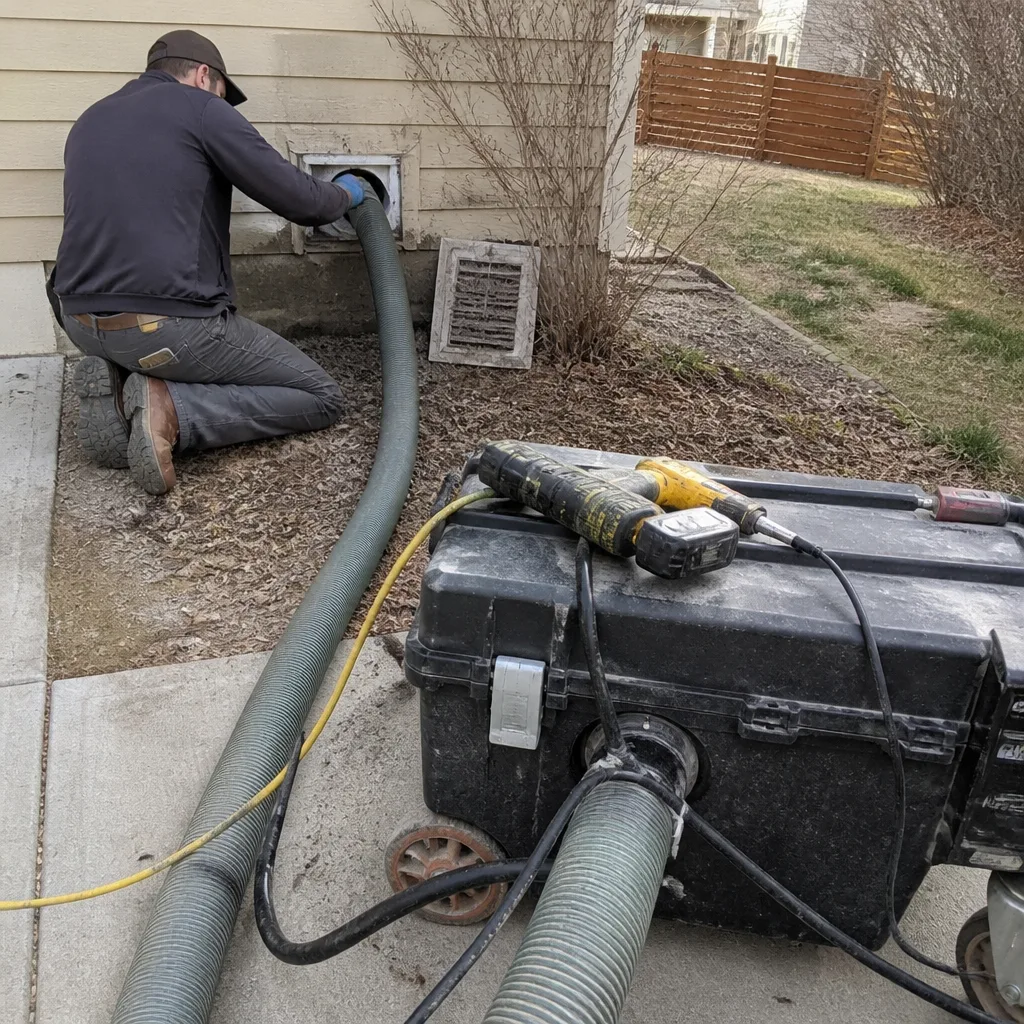 Before
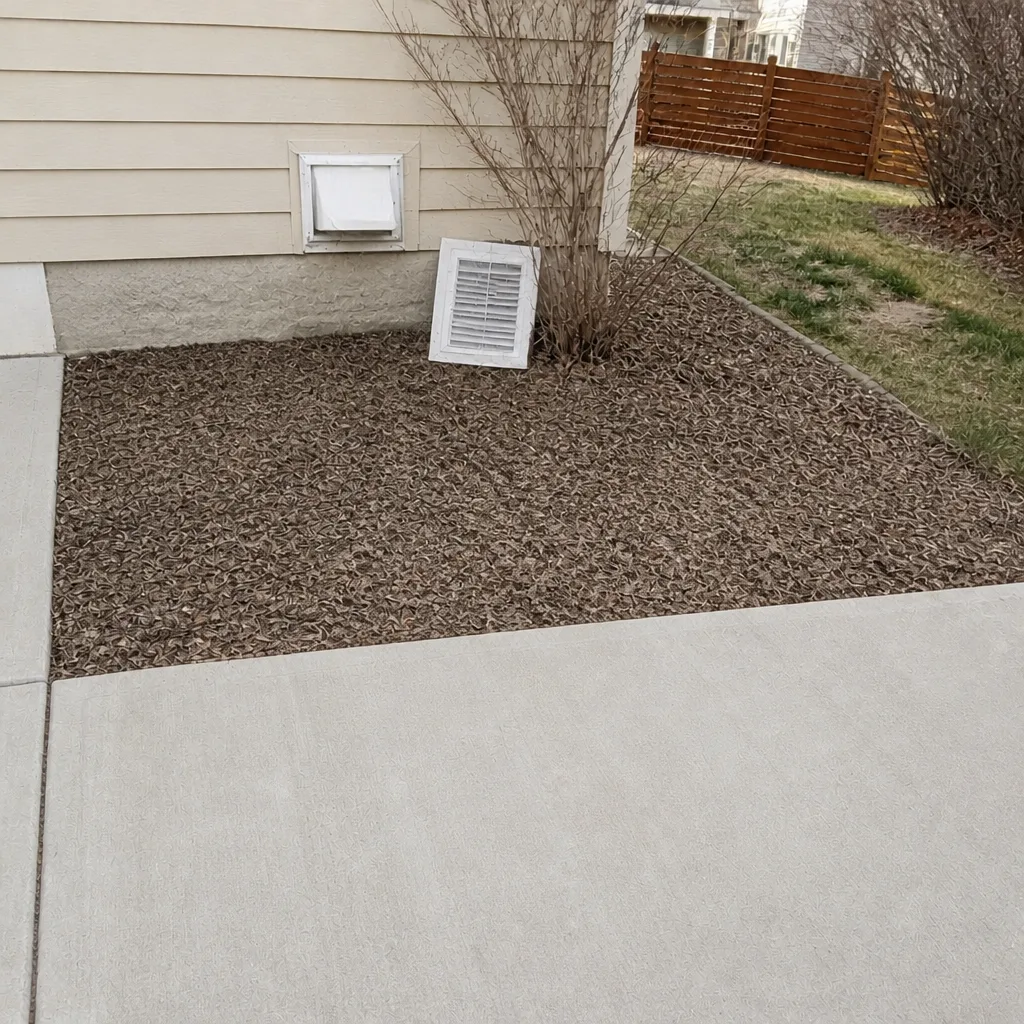 After
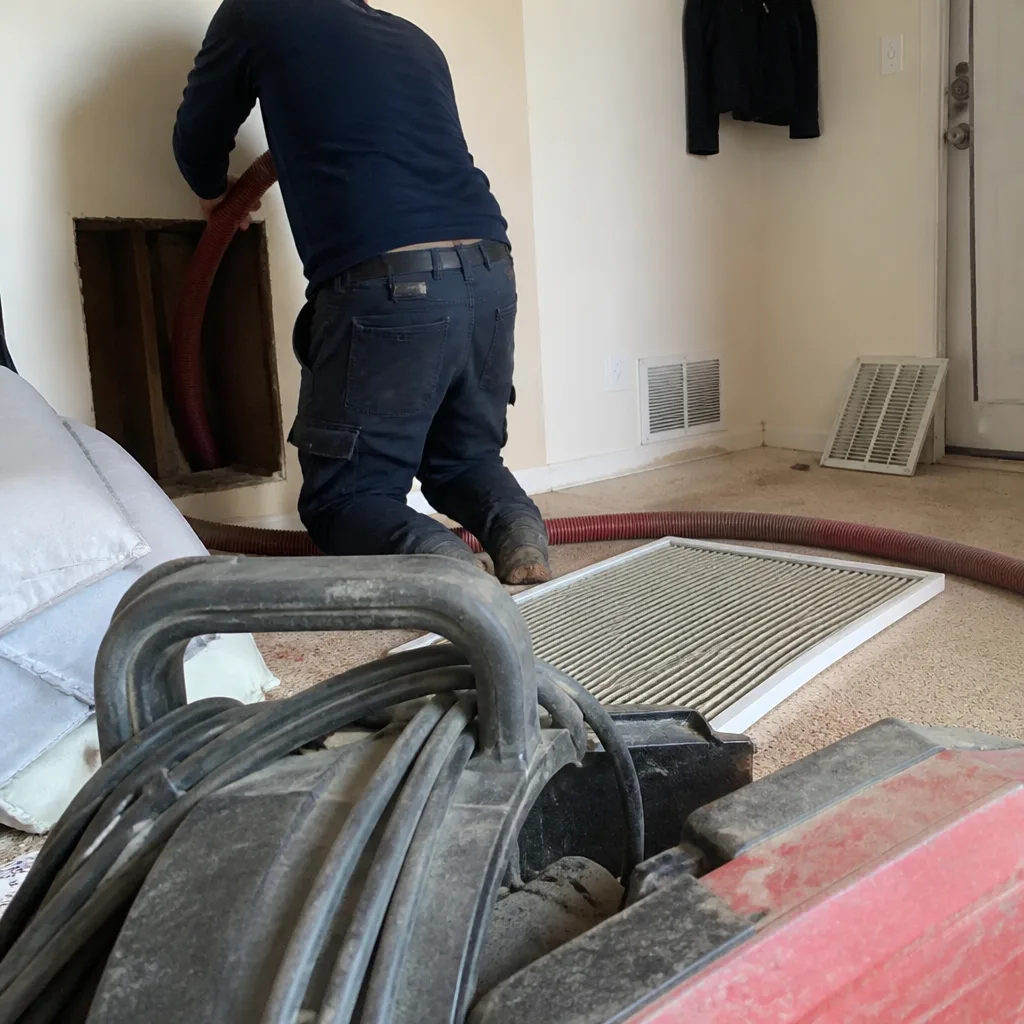 Before
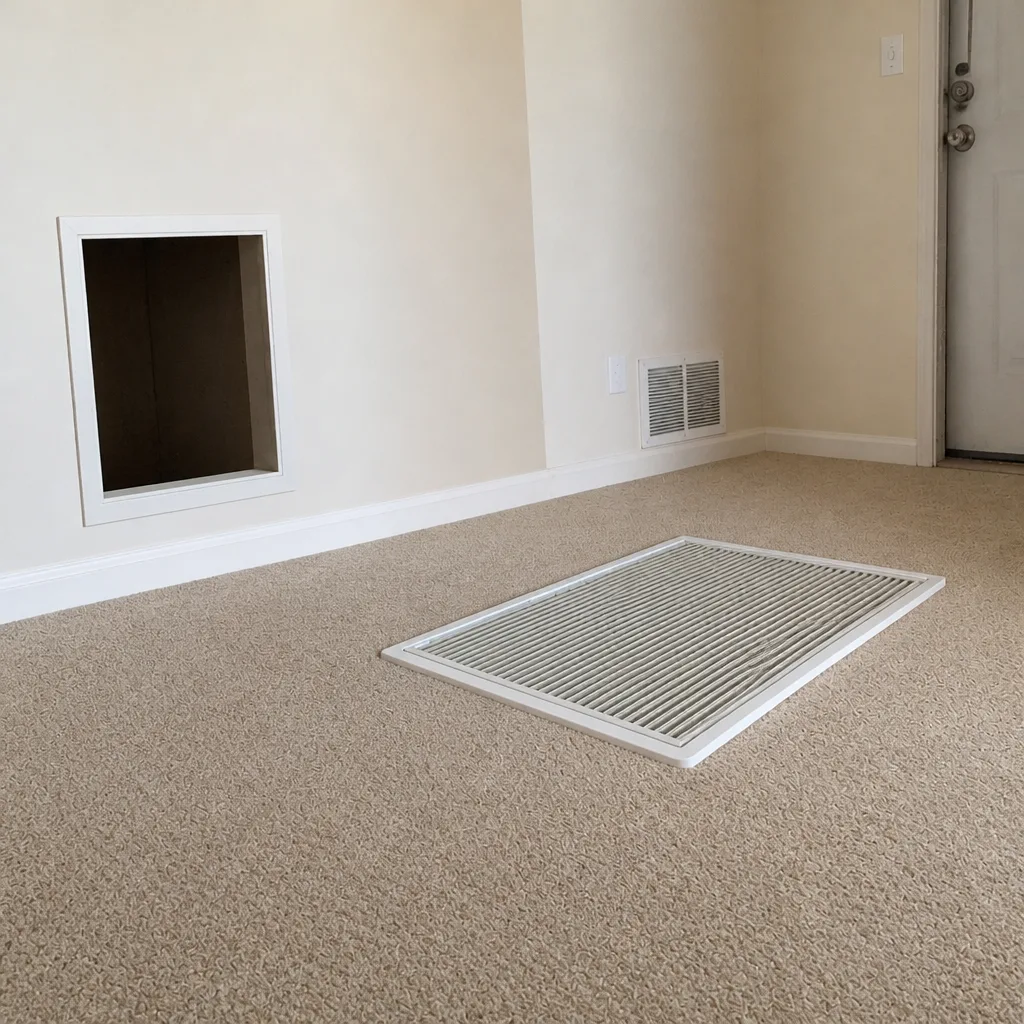 After
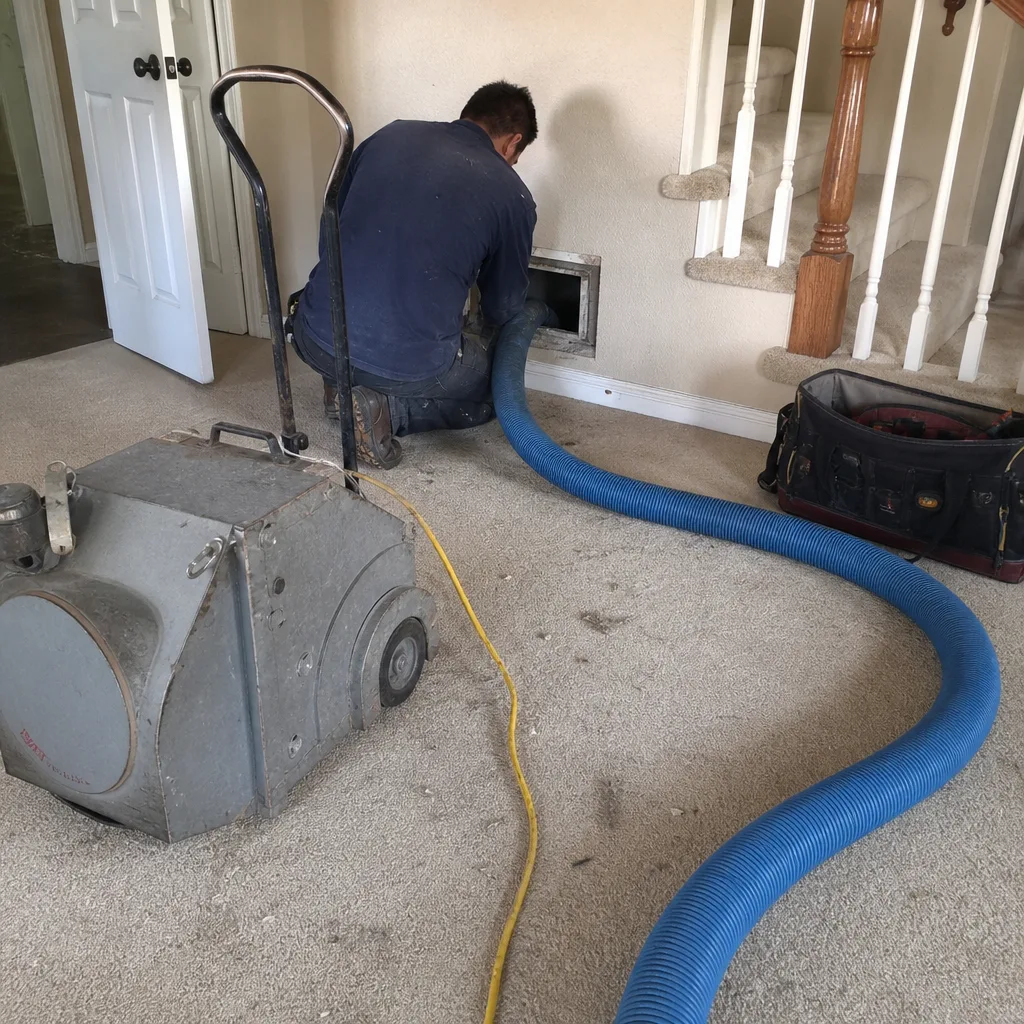 Before
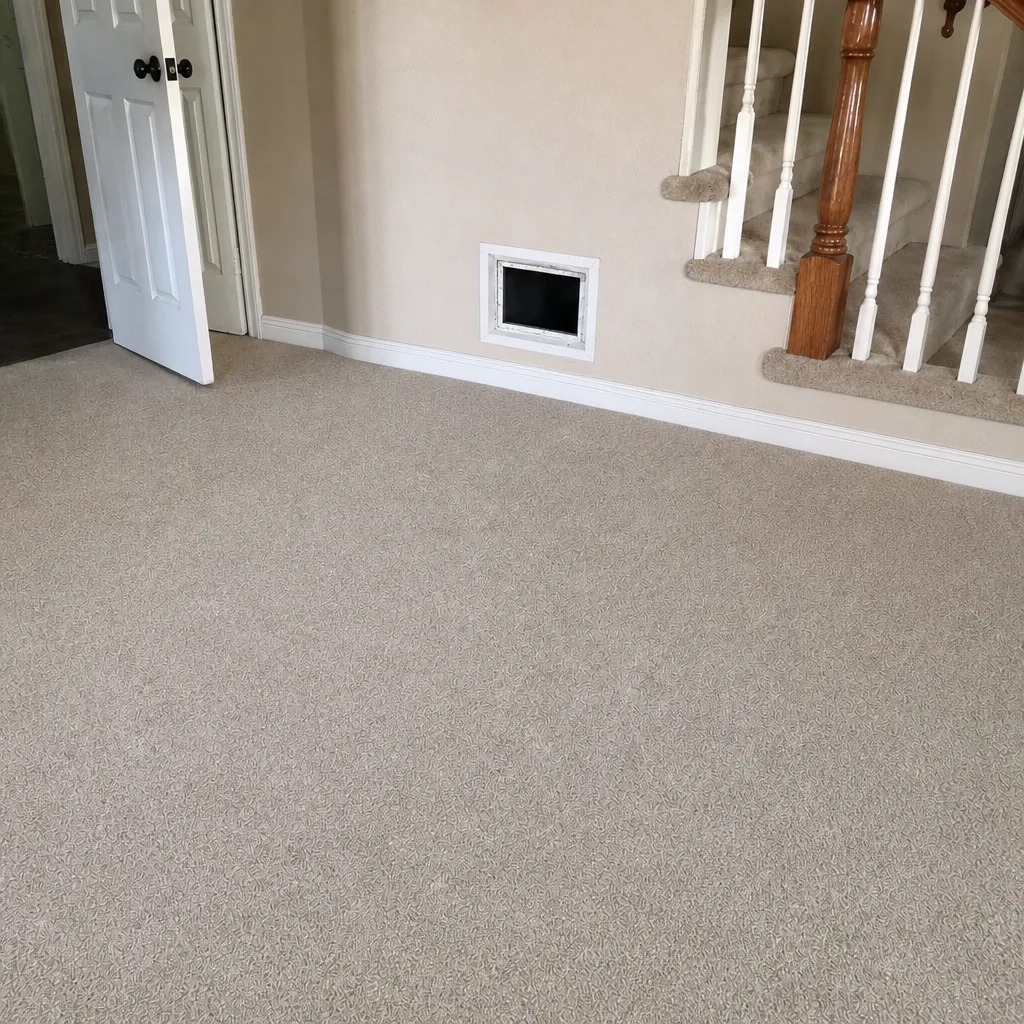 After
When to Call a Professional
Some conditions point clearly to professional service rather than another round of filter changes. If you notice musty odors when the system kicks on, visible dust blowing from the registers right after a filter change, uneven airflow between rooms that’s persisted through seasonal adjustments, or a family member whose allergies flare indoors and settle when they leave, the duct system is worth inspecting. The same goes if you’ve recently finished a renovation that generated dust, if you’ve moved into a Westminster home and don’t know when the ducts were last cleaned, or if your energy bills have climbed without a change in how you run the system.
Air Duct Cleaning Westminster Pros offers free estimates in Westminster. We walk the system, count the branches, and give you a written scope with a flat price before any work starts. Call (855) 337-2019. We answer 24/7. Fast dispatch from 7am to 7pm, Sunday through Friday.
Frequently Asked Questions
Most Westminster single-family homes fall between $350 and $700 for a full system cleaning, with the typical range landing around $400 to $550. Older homes with galvanized sheet metal, difficult access points or multiple HVAC systems run higher, often $500 to $800 and up. The written estimate after a walkthrough sets the final price. Call (855) 337-2019 for an exact quote; estimates are free.
Cheap quotes are usually cheaper because the scope is smaller, not because the provider is generous. A $149 whole-house quote often covers a blower pass with no mechanical agitation, no HEPA extraction, no containment and no air handler cleaning. It’s a real service, just a different one than a full professional cleaning. Ask what equipment arrives and what’s included before you compare numbers. Call (855) 337-2019 and we’ll walk you through the difference on your specific system.
You know because you can see it. Camera inspection with before-and-after photos of your own ducts is the only objective record of what was inside the system and what’s there now. Any provider who can’t show you documentation of your own ductwork is asking you to take the result on faith. We build that documentation into every job. Call (855) 337-2019 to schedule an estimate.
For most Westminster homes, every three to five years is a reasonable interval, and some well-maintained systems go longer. Homes with pets, recent renovations, or family members with respiratory sensitivities often benefit from a shorter cycle. The honest answer is that it depends on what the inspection finds, not on a fixed calendar. Call (855) 337-2019 and we’ll tell you what your system actually looks like.
It lowers them, though modestly and over time. Restored airflow lets the system run closer to its design specification, and reduced restriction lightens the load on the blower motor. The largest gains usually come from pairing the cleaning with duct sealing where leakage is confirmed. Realistic savings are measured over years, not months. Call (855) 337-2019 for an estimate that includes a leakage assessment.
Cleaning removes the physical debris from the system. Sanitizing is a separate treatment applied after cleaning, using products from Honeywell, Aprilaire and Guardsman to address microbial growth or persistent odors. It isn’t necessary on every job. It becomes worth discussing when the inspection finds heavy contamination or a moisture issue. Call (855) 337-2019 and we’ll tell you honestly whether your system calls for it.
The Bottom Line
A duct cleaning quote is only meaningful when you know what’s inside it. The price in Westminster is driven by branch count, access difficulty, equipment class, sanitizing and verification, not by square footage or vent count. Whole-system and per-vent pricing can both be honest, as long as the scope is written down and the seven questions get straight answers. What separates a $149 quote from a $650 quote isn’t usually greed on either side; it’s a different job. Pay for camera documentation and sealing where leakage is confirmed. Skip the ozone. Understand what you’re buying before you book, and the number on the invoice will make sense when it arrives.
Air Duct Cleaning Westminster Pros brings Rotobrush rotary-brush systems, Nikro HEPA-rated vacuum equipment and Abatement Technologies negative-air containment to every job, and handles cleaning, repair, sealing and sanitizing with one crew, start to finish. Call (855) 337-2019 for a free estimate. We answer 24/7. Fast dispatch from 7am to 7pm, Sunday through Friday.
Written by the team at Air Duct Cleaning Westminster Pros.