
Last updated November 23, 2026
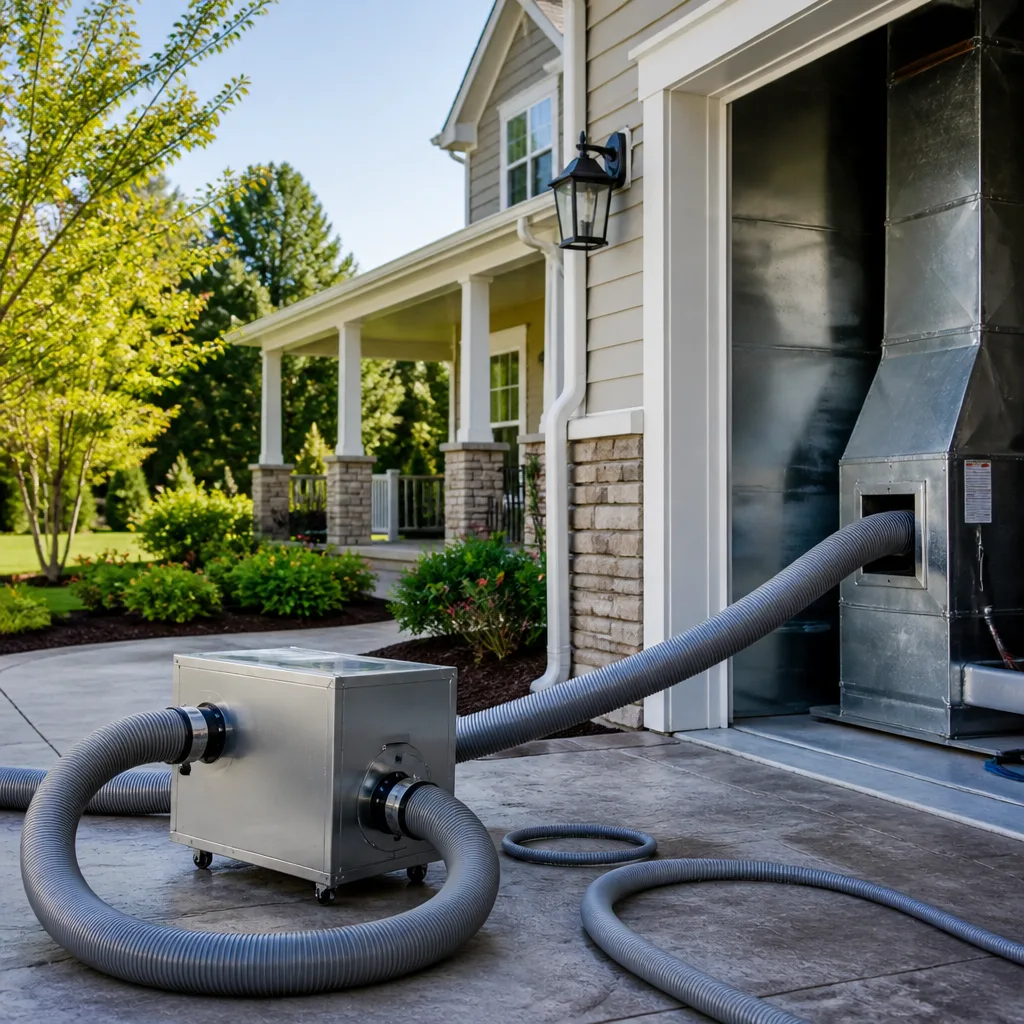 Whole-home duct cleaning
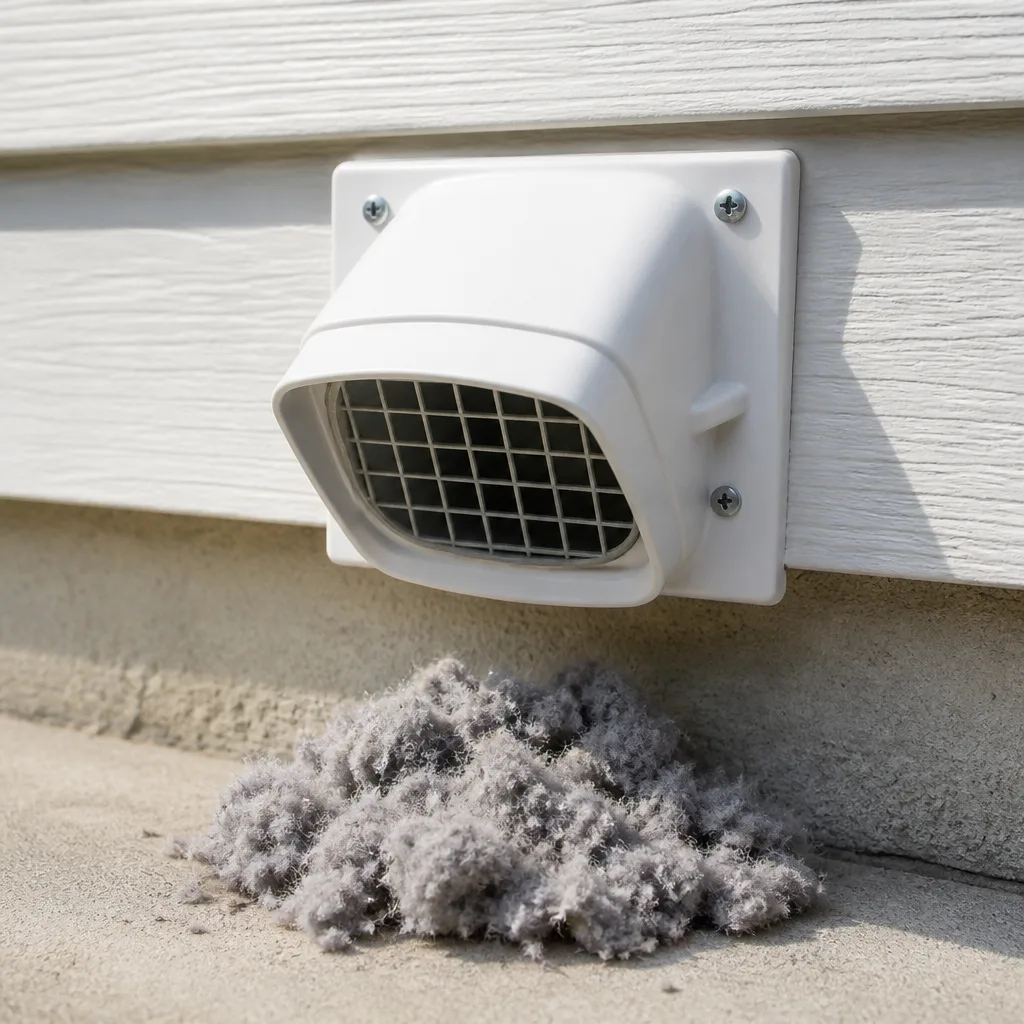 Dryer vent cleaning
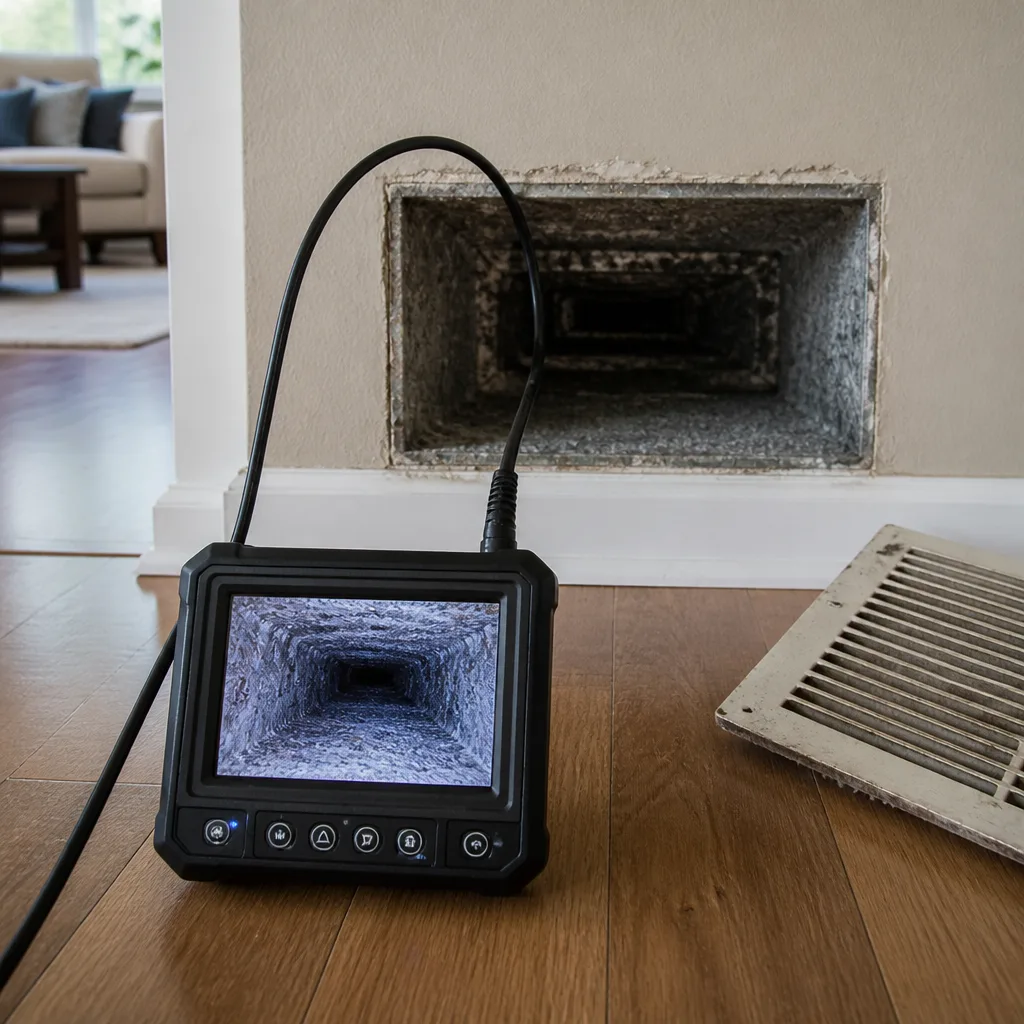 Camera inspection
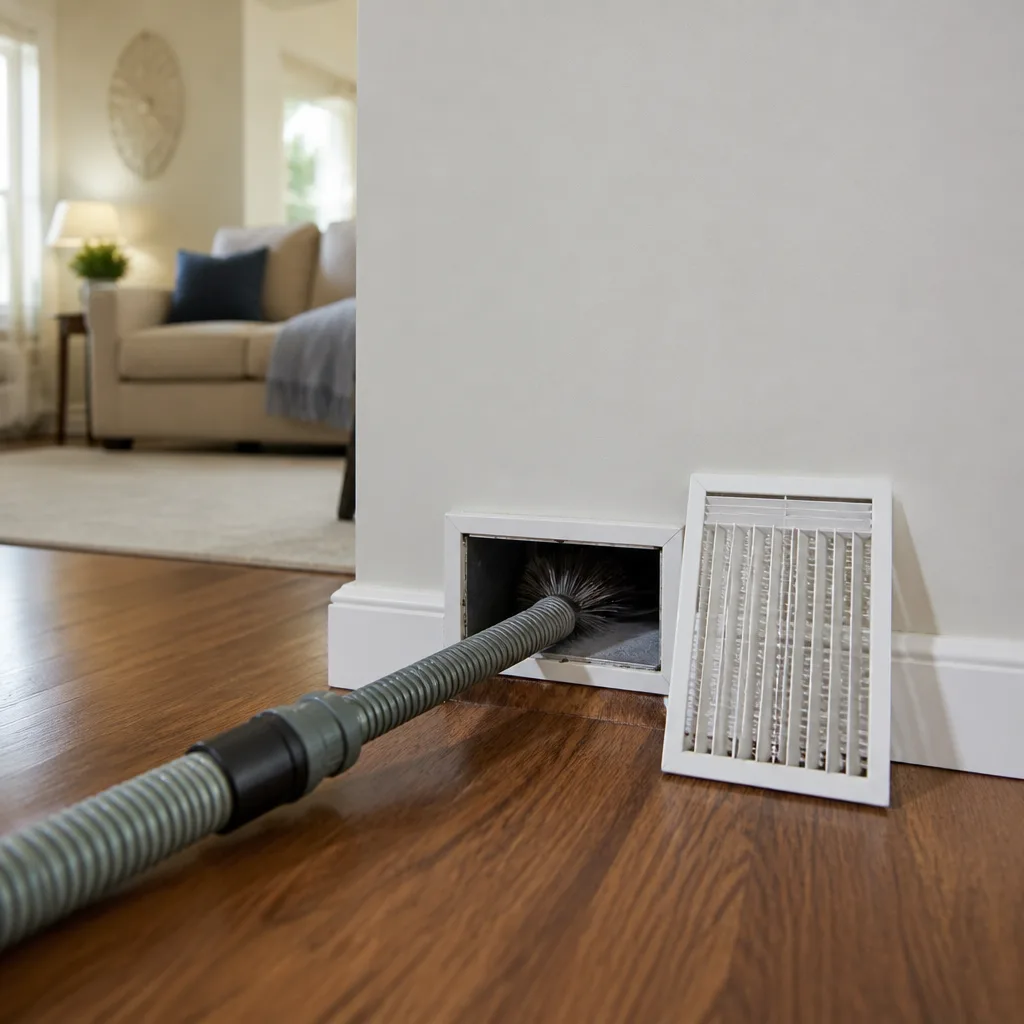 Sanitizing & deodorizing
Whole-system duct and dryer vent check with before-and-after photos - you see exactly what came out of your vents
That "$99 whole-house special" is a bait ad - the real number appears once they are in your hallway, or the "clean" is a shop-vac at the register. We photograph the inside of your ducts before and after instead.
Choosing the Right Air Duct Cleaning Brand: A Buyer’s Guide for Westminster
When a contractor names the specific equipment they’re bringing into your home, that’s not marketing – it’s accountability. “Industrial vacuum” and “professional brushes” describe hardware that ranges from a hardware store wet-dry unit to specialized HEPA-rated duct machinery, and Westminster homeowners have no way to know which one is parked outside until it’s already working. Brand names like Rotobrush, Nikro, and Abatement Technologies mean little on their own. But once you understand what each system is designed to do, and which duct types it suits, you can evaluate whether a contractor is matching tools to your actual system. This guide walks through the equipment, the duct materials common in Westminster homes and commercial buildings, and the questions that separate a real whole-system cleaning from a surface-level pass.
Quick Answer
The right air duct cleaning brand for Westminster is one that names its actual equipment, matches the tool to your duct material, and runs HEPA-rated collection with proper containment. Rotobrush rotary-brush systems handle sheet metal and flex duct through agitation plus extraction, while Nikro negative-pressure units suit large commercial plenums where brush contact would damage interior liner, and Abatement Technologies HEPA scrubbers keep debris out of your indoor air during the job. Ask which tools are coming for your specific duct type before you book.
Styles & brands we work with
- Whole-home duct cleaning
- Dryer vent cleaning
- Camera inspection
- Sanitizing & deodorizing
Table of Contents
- Why Equipment Names Matter More Than Promises
- What Rotobrush Systems Do Differently
- When Nikro Negative-Pressure Systems Are the Right Choice
- Abatement Technologies: Why HEPA Filtration Is Not Optional
- Matching Equipment to Westminster Duct Types
- Questions to Ask Before You Book
- The Red Flag Equipment List
- Beyond Cleaning: Repair, Sealing, and Sanitizing
Why Equipment Names Matter More Than Promises
A brand name tells you what a machine was built to do. A promise tells you nothing you can verify. That difference matters more in duct cleaning than in almost any other home service, because the work happens out of sight inside your walls, ceilings, and crawlspaces. You can’t watch the brush travel a thirty-foot trunk line. You can’t see whether the vacuum captured the dislodged debris or whether it settled back onto the duct floor two feet from where it started.
What you can do is ask which tools are on the job and understand what they’re for. Rotobrush builds rotary-brush cleaning systems designed specifically for residential and light commercial duct interiors. Nikro manufactures HEPA-rated vacuum and pressure equipment for HVAC remediation. Abatement Technologies makes air scrubbers and negative-air machines for containment. These are named categories of equipment with defined purposes, not vague adjectives.
In our experience working duct systems across Westminster, the equipment question surfaces the real difference between contractors faster than any other. A crew using a truck-mounted contact vacuum alone can pull loose dust from a duct’s surface, but it can’t break the bonded layer that clings to sheet metal after years of airflow. A crew running a rotary brush without proper HEPA collection can loosen that layer and send it into your living room. The tools have to work as a system: agitation, extraction, and containment together.
Westminster’s housing stock spans mid-century ranches, newer suburban builds, and a steady mix of commercial and retail space along the major corridors. Duct systems vary widely across that range, which is exactly why a single-tool operation rarely fits every job. For a deeper look at what a full cleaning involves, see our guide to air duct cleaning.
What Rotobrush Systems Do Differently
Rotobrush rotary-brush systems combine continuous agitation with simultaneous extraction. The brush spins inside the duct to break debris loose from the interior surface while a vacuum pulls that debris toward a collection point at the same time. The cycle is continuous, which is the whole point: debris doesn’t get a chance to resettle in the duct before it reaches the vacuum.
Compare that to a contact-vacuum-only approach. A vacuum alone creates suction at the hose opening, and dust near that opening moves. But the further you get from the collection point, the weaker the pull, and the more likely loosened material simply drops back onto the duct floor. On a long trunk run, that can mean the far end of the system is barely touched.
Here’s why the rotary-brush-plus-extraction design matters for Westminster homes:
- Bonded debris breaks free. Fine dust, pet dander, and cooking residue form a layer that adheres to sheet metal over time. Suction alone struggles with it; mechanical agitation is what loosens it.
- Debris moves in one direction. The simultaneous vacuum captures material as the brush lifts it, rather than letting it drift.
- Flex duct gets gentler treatment. Rotary brushes with the right head and speed can work flex duct interiors without shredding the liner, which is a real risk with improvised tooling.
- The whole run gets addressed. Rotary systems reach into branches and long trunk lines that a hose alone can’t properly scrub.
When we name Rotobrush on a job, it’s because the system was engineered for duct interiors specifically. That’s a different standard than a general-purpose vacuum pressed into service. Our technicians work with these systems on every job, and the difference shows in the collection bin at the end.
When Nikro Negative-Pressure Systems Are the Right Choice
Rotobrush isn’t the right tool for every duct in Westminster. Large commercial return plenums and trunk lines present a different challenge, and that’s where Nikro negative-pressure systems earn their place. Nikro builds HEPA-rated vacuum and pressure equipment designed specifically for HVAC remediation, and on commercial work the negative-pressure approach often fits better than brush-driven agitation.
The reason is material and scale. In a Westminster office or retail building, the return plenum and main trunk lines are often lined with interior acoustic material or constructed from duct board. Aggressive brush contact on that liner can cause damage, tearing the facing or abrading the surface. Once that liner is compromised, you’ve traded a dirty duct for a damaged one. Nikro negative-pressure systems pull the entire system into a controlled vacuum state, so debris is drawn toward the collection unit without a brush scraping the interior walls.
Here’s how to think about the choice between the two approaches:
- Assess duct material first. Sheet metal and flex duct respond well to rotary-brush agitation. Lined plenums and duct board call for gentler methods.
- Assess scale. A large commercial plenum needs a collection system sized for the volume of air it’s moving. Residential equipment can be outmatched.
- Assess access. Commercial systems often have inspection ports and access panels that allow controlled entry and proper placement of pressure equipment.
- Decide on containment before starting. Whatever the method, HEPA filtration and negative-air containment should be in place before work begins.
For commercial HVAC cleaning, the tool choice isn’t a preference – it’s a judgment call about the building’s system. A contractor who can explain why they’re choosing one method over another for your specific building is a contractor who understands the work.
Abatement Technologies: Why HEPA Filtration Is Not Optional
The filtration rating on the extraction equipment matters as much as the agitation. This is the point a lot of Westminster homeowners miss, and it’s the one that has the biggest effect on whether the cleaning process itself worsens your indoor air quality.
Think through the sequence. A rotary brush loosens debris. A vacuum pulls it toward a collection point. But if that vacuum’s exhaust isn’t HEPA-rated, some fine particulate passes straight through the filter and back into the air you’re breathing. The dust that was sitting quietly in your duct is now airborne in your living space. That’s not a cleaning – that’s a redistribution.
Abatement Technologies air scrubbers and negative-air machines are built for exactly this problem. Negative-air containment keeps the work zone under lower pressure than the surrounding space, so air flows toward the machine rather than into the room. HEPA-rated exhaust captures the fine particulate before it escapes. On a proper job, this equipment runs for the duration of the cleaning, not just at the end.
Here’s why this belongs in a brand-evaluation guide rather than a footnote:
- HEPA-rated exhaust is the difference between capture and release. Fine particulate is the fraction that matters most for air quality and for allergy and asthma symptoms.
- Negative-air containment protects the rest of the home. Cross-contamination during cleaning is a real risk when containment is skipped.
- Filtration quality is visible in the equipment. A HEPA-rated collection unit is a specific machine with a specific rating, not a marketing word.
Any duct cleaning in Westminster that runs without HEPA-rated collection and containment is a job that controls what comes out of your ducts poorly, if at all. Ask to see the scrubbing equipment. Ask whether it’s HEPA-rated. Ask where the negative-air machine goes. The answers tell you a lot.
Matching Equipment to Westminster Duct Types
The single most useful question to ask a Westminster contractor is which equipment they’re bringing for your specific duct type. The answer should change depending on whether you have sheet metal, flex duct, or duct board. If the answer doesn’t change, that’s your signal.
Here’s the framework, by material:
- Sheet metal ducts: The most common duct type in Westminster’s older housing stock. Rigid, durable, and well suited to rotary-brush agitation. Rotobrush systems with the right brush head can scrub the interior efficiently, and the simultaneous extraction captures debris as it’s loosened. This is the material the equipment was designed around.
- Flex duct: Common in newer builds and retrofit installations. Lighter and more delicate than sheet metal. The liner can tear if the brush head or speed is wrong. Rotary-brush systems can work flex duct, but the operator needs to match the tool to the material – a crew that treats flex like sheet metal will cause damage.
- Duct board: Rigid fiberglass board with a facing. Aggressive brush contact can abrade or tear the facing, which is a repair job rather than a cleaning one. Negative-pressure methods with proper collection are generally the safer approach, and the contractor should say so.
The point isn’t that any one brand wins across the board. It’s that the tool has to match the material. A contractor who can tell you why they’re using a rotary brush on your sheet metal trunks and a pressure-based approach on your lined plenum is thinking about your system, not running one script on every house.
For whole-home HVAC system work, which includes coils, blower assemblies, and condensate pans alongside the ducts themselves, the tool selection broadens again. Our HVAC cleaning page covers the equipment and process on the air-handler side of the system.
Questions to Ask Before You Book
You don’t need to become an equipment expert to evaluate a contractor. You need a short list of questions and a sense of what a good answer sounds like. Here’s a numbered sequence you can carry into any call:
- Which duct materials do I have? A good contractor will inspect before quoting, not quote blind over the phone. Ask whether they’ll look at the system before naming a method.
- What equipment are you bringing for my duct type? Listen for specific names – Rotobrush, Nikro, Abatement Technologies. A vague answer about “industrial vacuums” is a warning sign.
- Is your collection equipment HEPA-rated? This is the containment question. The answer should be straightforward.
- How do you control cross-contamination? The right answer involves negative-air containment running during the job, not just a drop cloth at the door.
- What happens if you find a damaged duct or a leak? A thorough cleaning often surfaces repair needs. A contractor with a repair and sealing capability can address what they find; one without it will either ignore the issue or hand you off.
- Can I see before-and-after photos of my own system? Photos of your ducts, not stock images, are how you verify the work happened.
- Is the price per job or per vent? Per-vent pricing is one of the classic ways a low coupon inflates into a big invoice. A flat price per system, agreed before work starts, is the honest structure.
Those seven questions take ten minutes and will tell you more about a Westminster duct cleaning contractor than any advertisement. You can read more about our approach on our home page, Air Duct Cleaning Westminster Pros.
The Red Flag Equipment List
Some equipment is legitimate for one job and wrong for another. Knowing the difference protects you from paying whole-system prices for partial-system work. Here’s what to watch for, whether you’re looking at contractor photos or watching a crew unload:
- Consumer-grade wet-dry vacuums. A shop vac from the hardware store can pull loose dust from the first few feet of a duct. It cannot properly clean a whole system, and its filter isn’t rated to keep fine particulate out of your air. Seeing one staged as the primary tool is a clear indication the job isn’t what you’re paying for.
- Non-HEPA shop equipment. Similar problem, different package. If the exhaust isn’t HEPA-rated, whatever the vacuum captures in the canister is only part of the story; the rest is heading into the room.
- Blow-and-go compressed air systems. These are legitimate tools for dryer vent cleaning, where the goal is to push lint out of a relatively short, straight run. They are not legitimate for whole-system duct cleaning, where blowing debris with compressed air without proper collection simply relocates it. If a contractor describes blowing the ducts out without extraction, that’s the wrong method for the job.
- No containment equipment at all. If there’s no air scrubber or negative-air machine on the truck, cross-contamination isn’t being controlled. This is the most skipped step in the industry, and it’s the one that determines whether your indoor air quality improves or temporarily worsens during the job.
- One tool for every system. A crew bringing exactly the same equipment to a single-story ranch with flex duct and a commercial building with lined plenums isn’t matching tools to materials. The right equipment changes by job.
None of these red flags requires you to be an expert to spot. They only require you to ask what’s coming and to notice when the answer is vague.
Beyond Cleaning: Repair, Sealing, and Sanitizing
Here’s something a lot of Westminster homeowners don’t learn until after the job: cleaning alone doesn’t fix a duct system that’s leaking, disconnected, or growing something. Cleaning removes what’s inside. Repair and sealing fix the paths that let air, dust, and moisture back in. Sanitizing addresses what’s growing on surfaces the cleaning can’t fully reach, and post-cleaning filtration upgrades help keep it that way.
That’s why we treat Duct Repair & Sealing as a natural extension of a thorough inspection rather than an upsell. When a cleaning crew finds a disconnected flex run in the attic or a seam that’s leaking at a trunk joint, the honest response is to say so and to have the capability to fix it. System inefficiency and air loss usually trace back to those physical defects, and no amount of cleaning resolves a duct that isn’t connected.
Air Quality & Sanitizing is the other piece. After cleaning and any needed repairs, applying antimicrobial and protection products through Guardsman, and integrating filtration equipment from Honeywell or Aprilaire, turns a cleaned system into a measurably better one. It’s the difference between “we removed the debris” and “we’ve set the system up to stay clean.”
The five services we offer – air duct cleaning, dryer vent cleaning, HVAC cleaning, duct repair and sealing, and air quality and sanitizing – exist as one connected menu for exactly this reason. A single crew that handles the whole scope means you’re not coordinating a cleaner, a repair contractor, and an air quality specialist on separate visits. If you’re also dealing with a lint-clogged dryer line, our dryer vent cleaning service uses the appropriate tools for that shorter, straight-run system.
Common Mistakes to Avoid
- Booking on price alone. A very low quoted price for a whole-system cleaning usually means a whole-system cleaning isn’t what’s being delivered. Ask what equipment is coming and whether the price is per job or per vent.
- Accepting a phone quote without an inspection. A contractor can’t match equipment to your duct material without looking at it. Insist on an inspection before a firm quote, especially in Westminster’s mixed housing stock.
- Skipping the containment question. If you ask one question, ask whether HEPA-rated collection and negative-air containment will be running during the job. It’s the step most commonly skipped.
- Assuming cleaning will fix a leaky system. Cleaning doesn’t seal disconnected ductwork or close leaking seams. If a contractor doesn’t offer repair or sealing, efficiency gains will be limited.
- Not asking for before-and-after photos of your own ducts. Stock photos on a website tell you nothing about your system. Photos of your own ductwork before and after are the verification that matters.
- Ignoring dryer vent cleaning. The dryer vent is a separate system from the HVAC ductwork, and it’s often the most clogged line in a Westminster home. A crew that handles both saves you a second contractor.
- Choosing a contractor who can’t explain why they’re using a specific tool. If the answer to “which equipment for my duct type?” is the same regardless of material, the tool isn’t being matched to the job.
See the difference
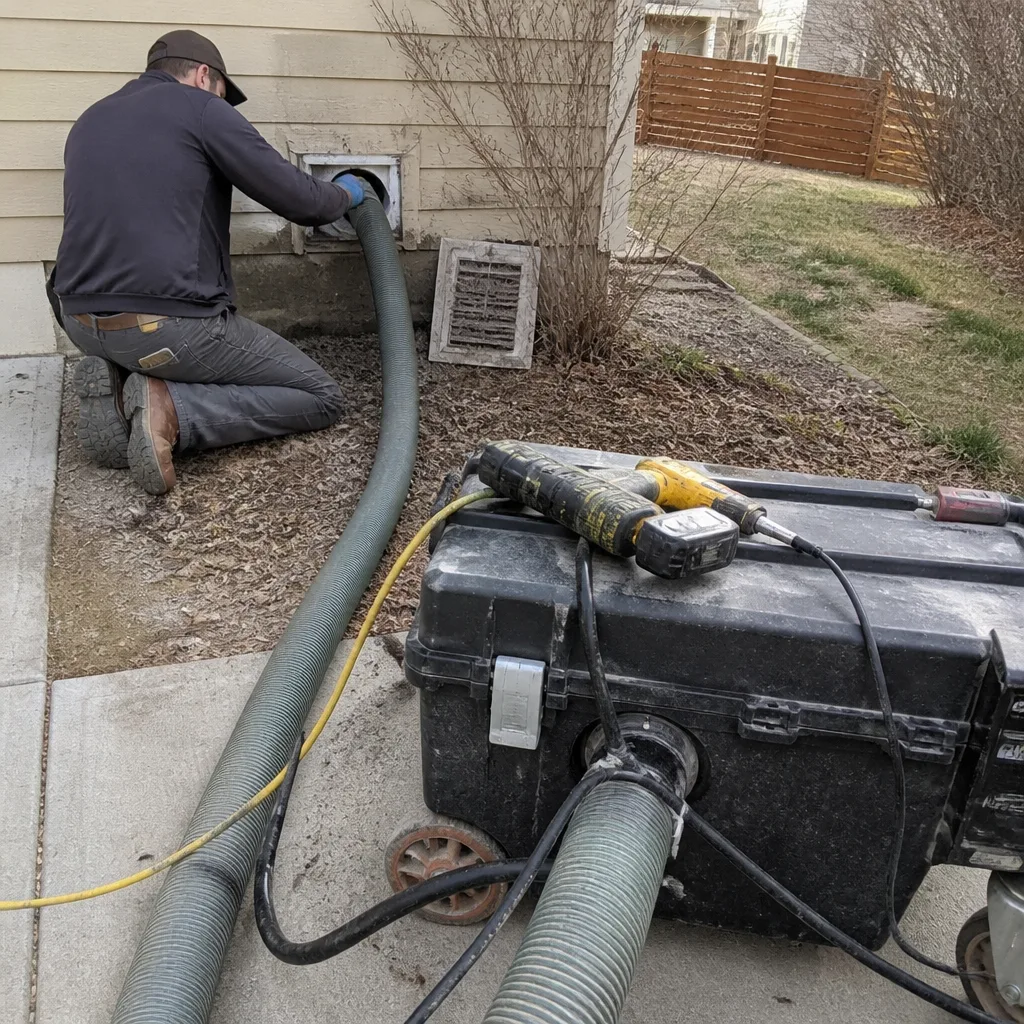 Before
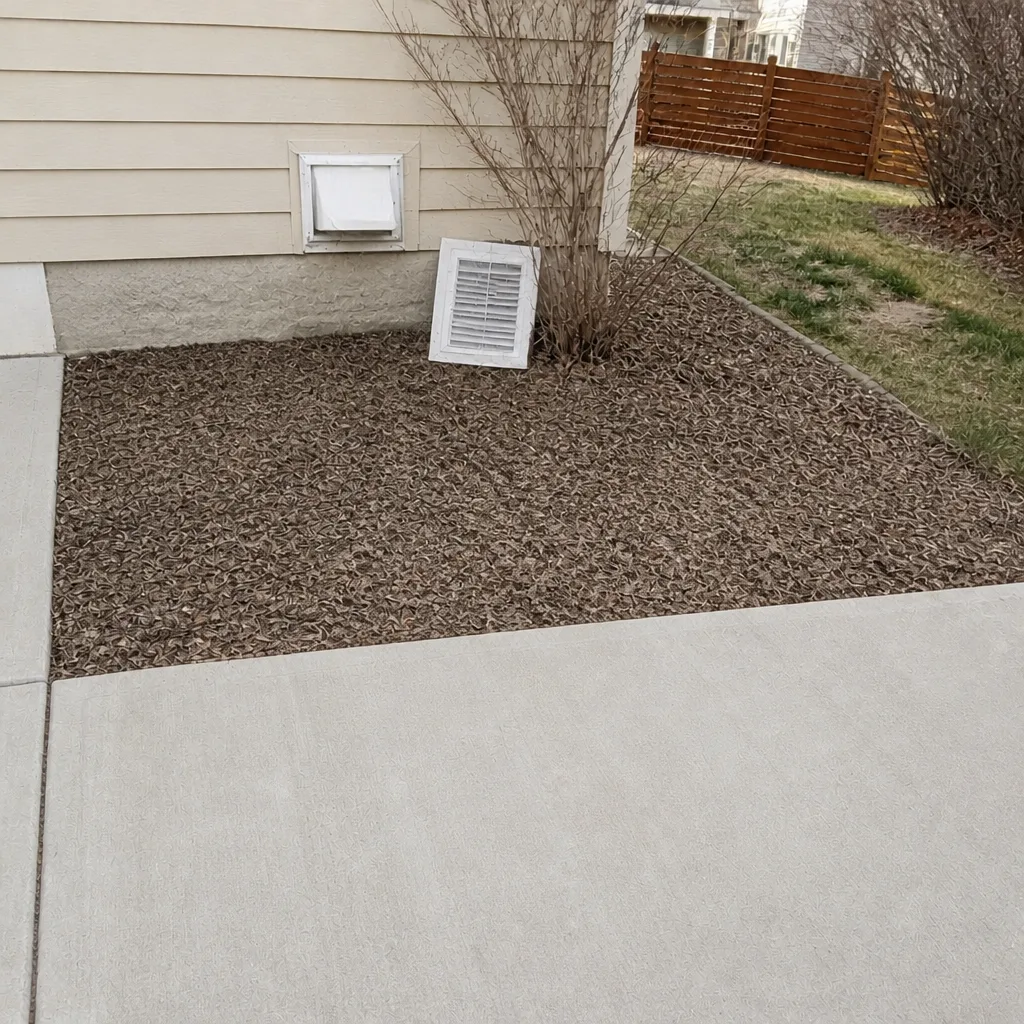 After
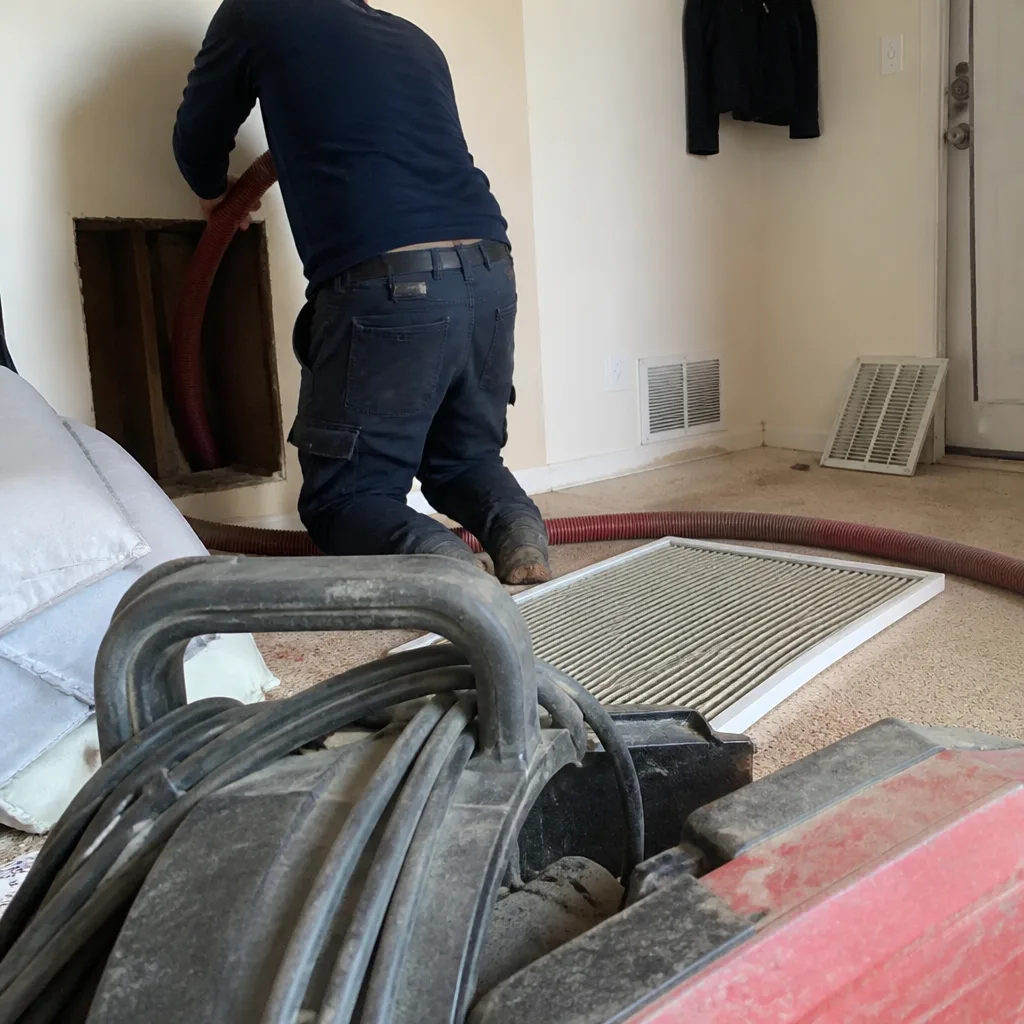 Before
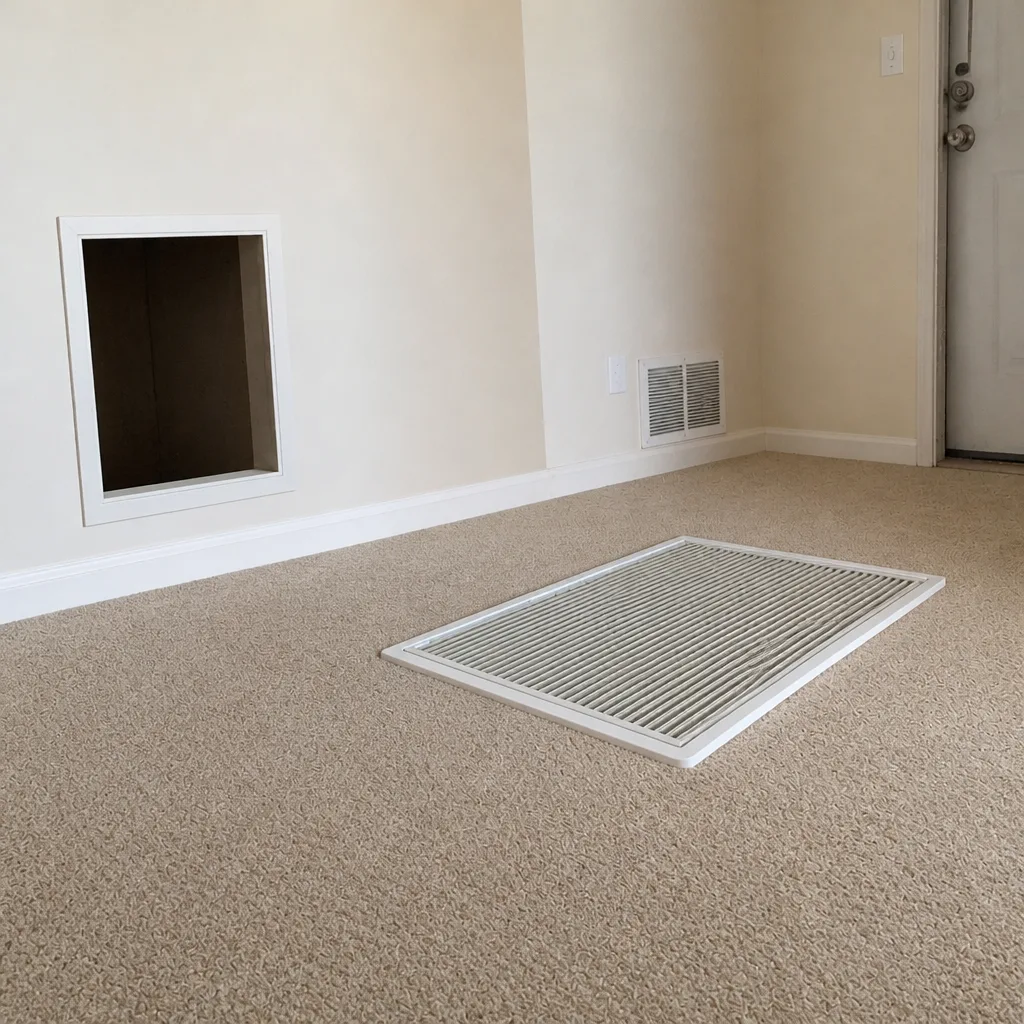 After
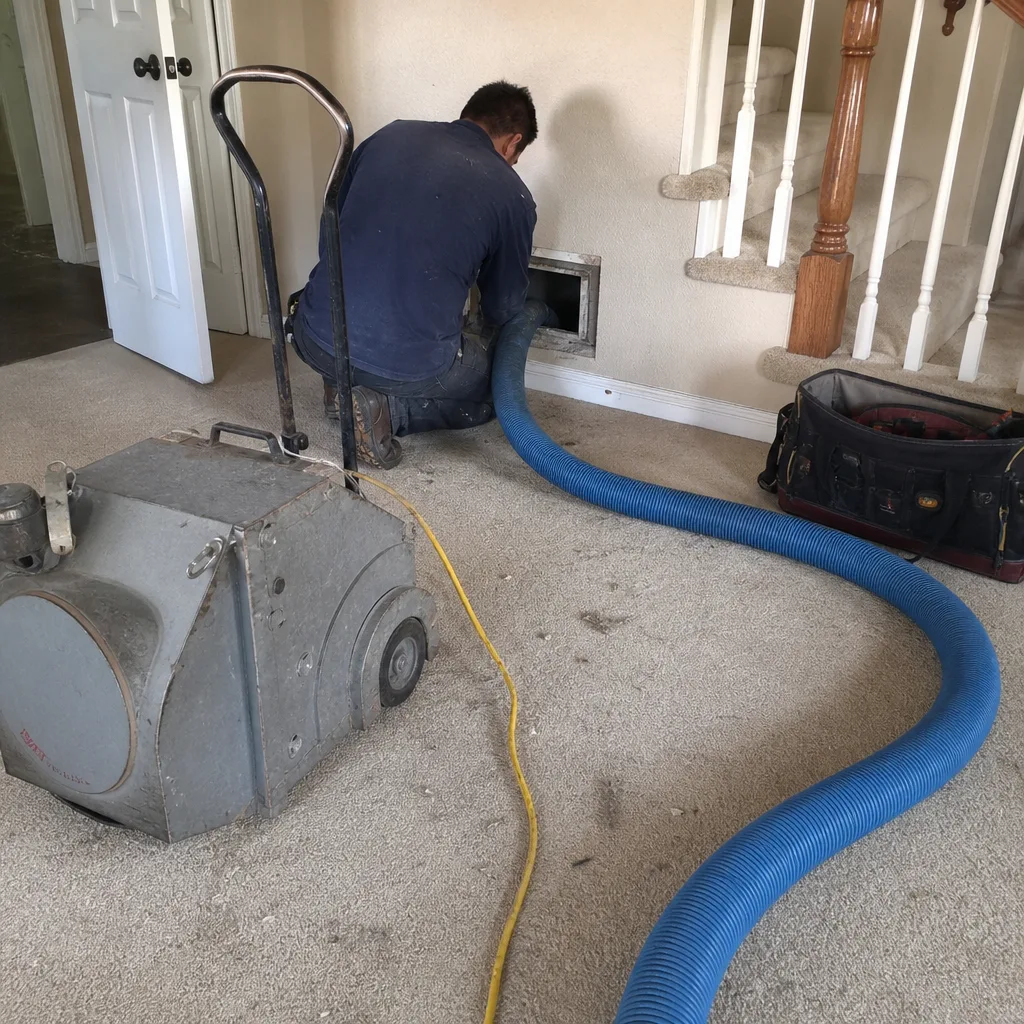 Before
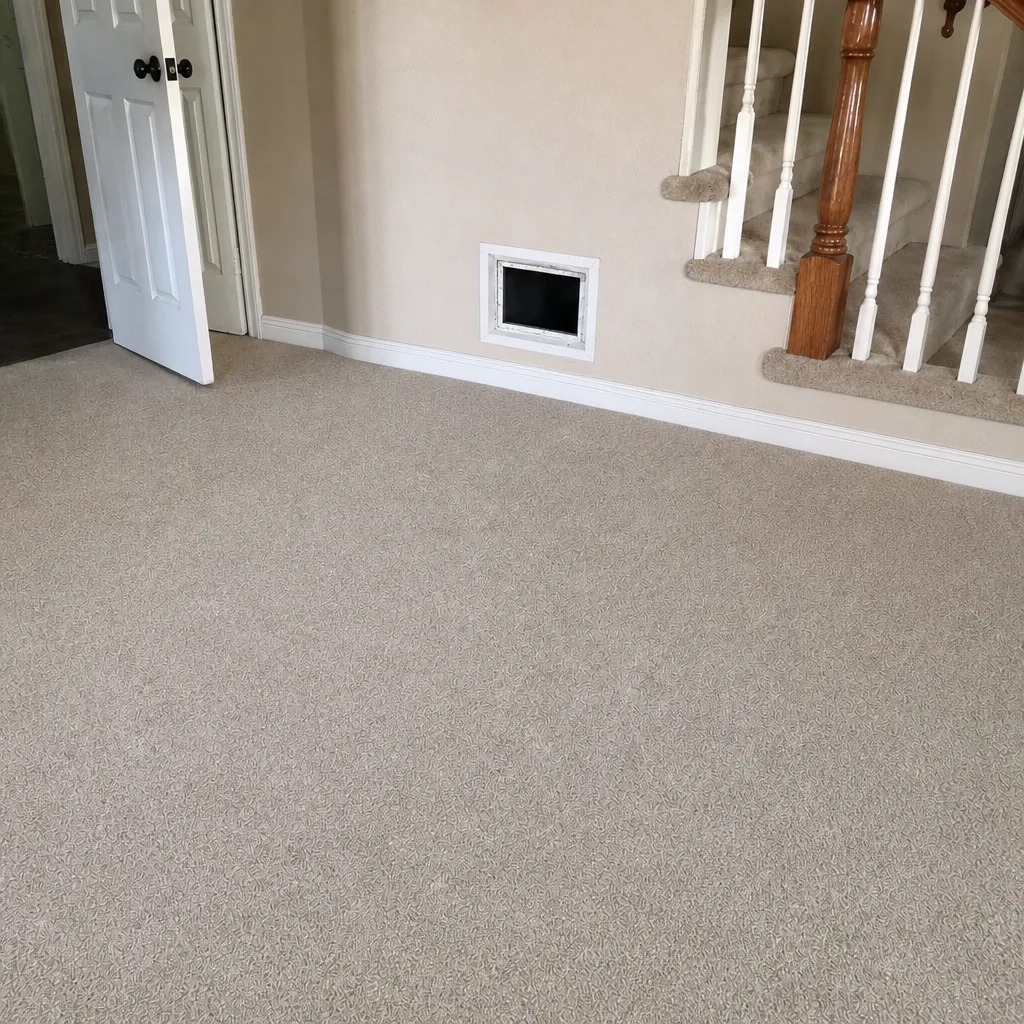 After
When to Call a Professional
Some situations call for a trained professional rather than a consumer solution. If you’ve noticed allergy or asthma symptoms that flare up inside the house but ease outside, musty odors when the system runs, visible dust settling on surfaces faster than usual, or uneven airflow between rooms, those are signals worth investigating with proper equipment. Rising energy bills with no other explanation fall in the same category. If you’ve recently finished a renovation, the dust that entered the system during construction is another reason to schedule a cleaning. And if your dryer is taking longer than it used to dry a load, the vent line is worth checking before anything else.
The equipment matters here because these symptoms often trace back to bonded debris, disconnected duct runs, or leaking seams that a consumer vacuum can’t reach and can’t fix. Air Duct Cleaning Westminster Pros offers free estimates in Westminster – call (855) 337-2019 to discuss what your system needs.
Frequently Asked Questions
For most Westminster homes, Rotobrush rotary-brush systems paired with HEPA-rated collection are the best fit, because they agitate bonded debris and extract it simultaneously. On commercial plenums and lined duct board, Nikro negative-pressure systems often work better because brush contact can damage interior liner. The right brand depends on your duct material, which is why we ask before we quote.
Ask them directly, and ask what they’re bringing for your specific duct type. A straightforward contractor will name the equipment – Rotobrush, Nikro, Abatement Technologies – and explain why it suits your system. If the answer is vague or identical for every home regardless of material, that’s a sign the tool isn’t being matched to the job. Call (855) 337-2019 for an exact quote on your system – estimates are free.
HEPA-rated filtration on the extraction equipment keeps fine particulate out of your indoor air during the cleaning itself. Without it, the process can loosen debris and release some of it back into the room rather than capturing it. Abatement Technologies air scrubbers and negative-air machines provide that containment, and any thorough duct cleaning in Westminster should include it.
Cost varies with the size of the system, the duct materials, and whether repair or sanitizing is needed, which is why we price per job from a written estimate rather than per vent. A flat price for the whole system, agreed before work starts, is the structure that protects you from a low coupon turning into a much larger invoice. Call (855) 337-2019 for an exact quote – estimates are free.
Cheaper quotes usually reflect cheaper equipment, skipped containment, or per-vent pricing that inflates once the technician is on site. A consumer wet-dry vacuum and no HEPA collection will always cost less than a Rotobrush rotary-brush system with Abatement Technologies containment – and they do different work. When comparing quotes, compare what’s included, not just the total.
Not always. Cleaning removes debris from inside the ducts, but it doesn’t seal a disconnected flex run or close a leaking trunk seam. If a thorough inspection finds physical defects, Duct Repair & Sealing is what actually resolves the air loss. A contractor who can clean, repair, and seal under one crew is the one who can fix the root cause rather than only the surface.
The Bottom Line
The most reliable way to evaluate an air duct cleaning brand in Westminster is to ask what equipment they’re bringing for your specific duct type and why. Rotobrush rotary-brush systems handle sheet metal and flex duct through agitation plus extraction. Nikro negative-pressure systems suit commercial plenums and duct board where brush contact would cause damage. Abatement Technologies HEPA scrubbers and negative-air machines keep debris out of your indoor air during the job, and that containment is not optional. If you hear vague words instead of equipment names, ask again. The tools have to match the material, and a contractor who can explain the match is the one worth hiring.
Contact
If you’ve noticed musty odors, uneven airflow, or rising energy bills and want a straight answer about what your system needs, call Air Duct Cleaning Westminster Pros at (855) 337-2019 for a free estimate. We answer 24/7. Fast dispatch from 7am to 7pm, Sunday through Friday. We’ll ask about your duct materials, explain which equipment fits your system, and give you a flat price per job in writing before any work starts.
Written by the team at Air Duct Cleaning Westminster Pros.