
Last updated November 23, 2026
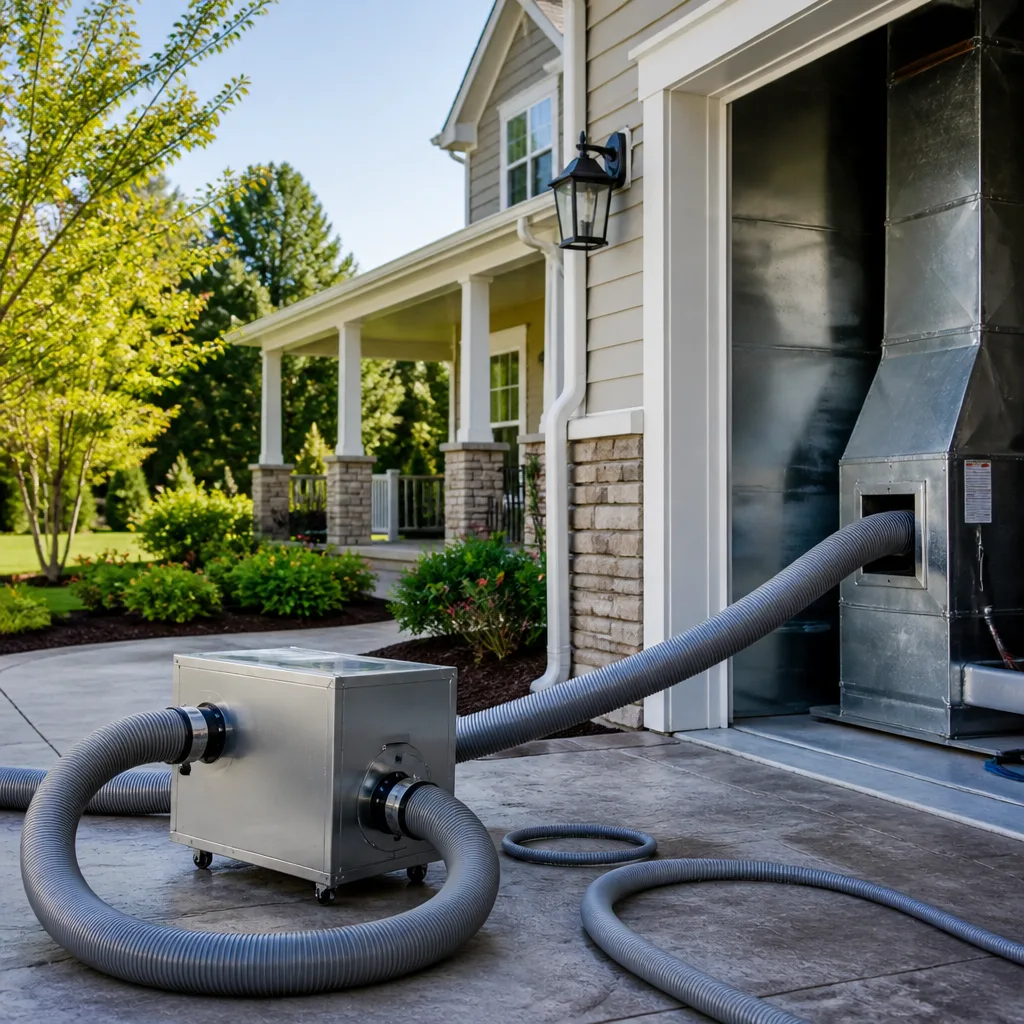 Whole-home duct cleaning
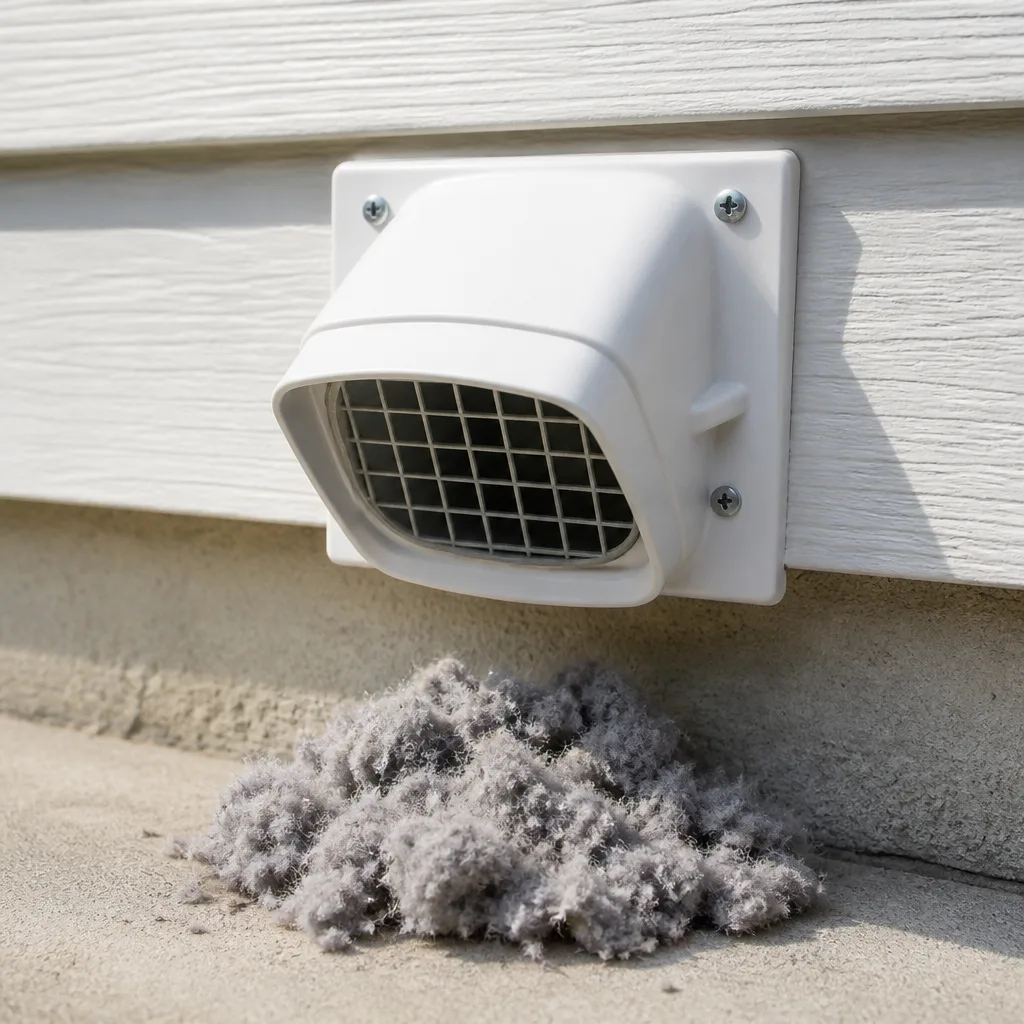 Dryer vent cleaning
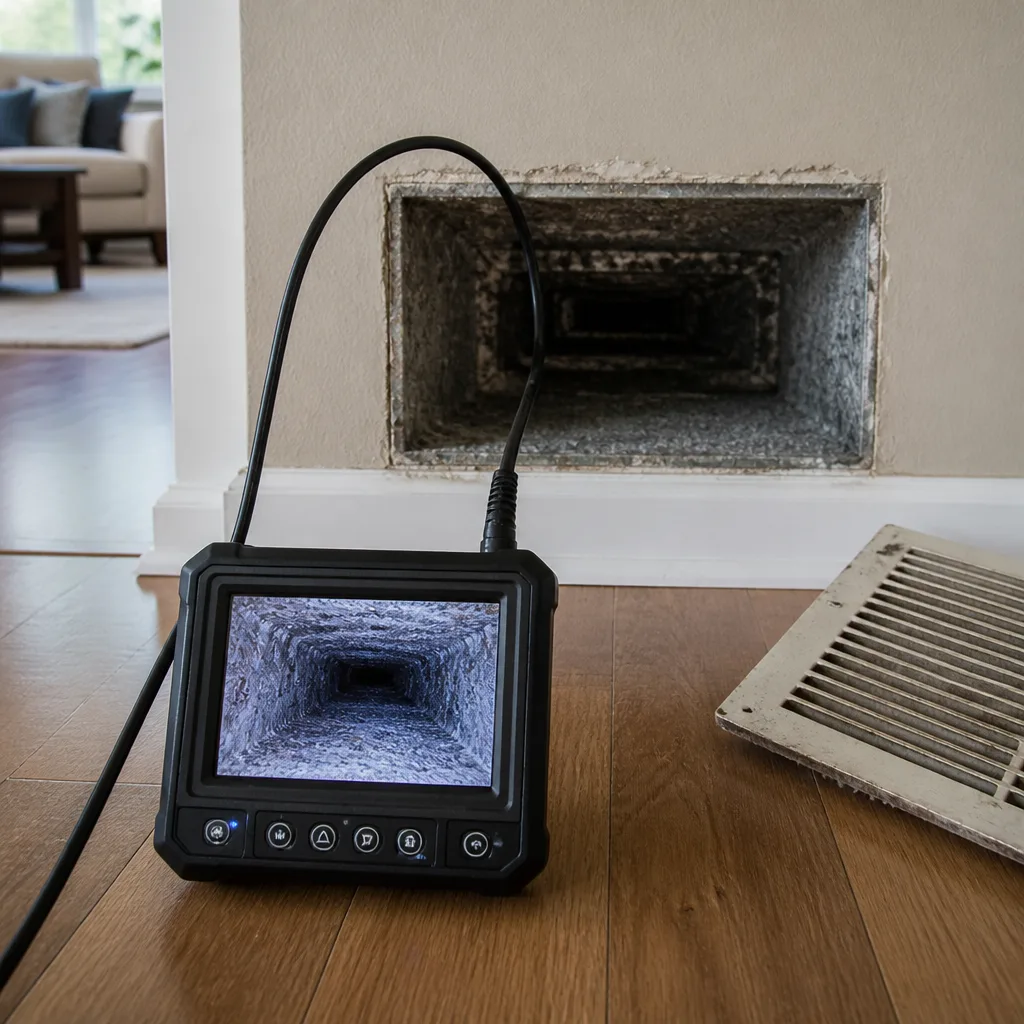 Camera inspection
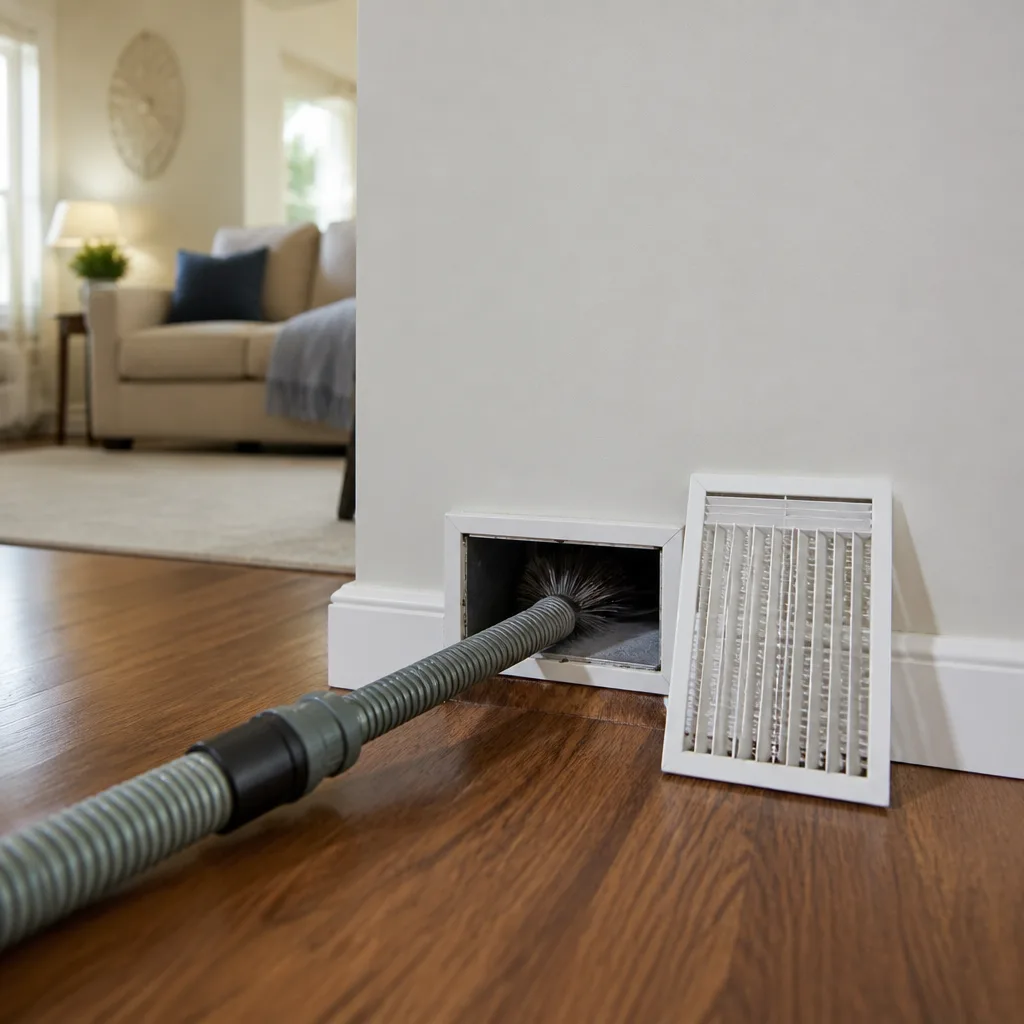 Sanitizing & deodorizing
Whole-system duct and dryer vent check with before-and-after photos - you see exactly what came out of your vents
That "$99 whole-house special" is a bait ad - the real number appears once they are in your hallway, or the "clean" is a shop-vac at the register. We photograph the inside of your ducts before and after instead.
How to Hire an Air Duct Cleaning Contractor in Westminster: A Step-by-Step Guide
If a whole-house air duct cleaning quote in Westminster comes in under $99, the business model usually isn’t cleaning your ducts. It’s getting a technician inside your house to sell you something else once he’s standing in your living room. That’s not a knock on every low price, but it is the pattern homeowners describe after the fact, and it’s why the phone call before booking matters more than the quote itself. This guide walks through exactly what to ask, how to verify answers in real time, and how to compare two legitimate bids without defaulting to whichever number is smaller. You’ll leave with five phone questions, a written scope checklist, and a clear picture of what a real Westminster job involves.
Quick Answer
To hire an air duct cleaning contractor in Westminster, verify three things before you book: the company’s equipment class (professional rotary-brush agitation and HEPA-rated vacuum, not a shop vac), a written scope of work that lists access points and branch lines, and a real local business presence with a Colorado insurance certificate. A legitimate contractor answers equipment questions on the phone without hesitation, asks about your square footage and system layout before quoting, and puts the price per system in writing before any work starts. Call (855) 337-2019 for a free estimate. We answer 24/7. Fast dispatch from 7am to 7pm, Sunday through Friday.
Styles & brands we work with
- Whole-home duct cleaning
- Dryer vent cleaning
- Camera inspection
- Sanitizing & deodorizing
Table of Contents
- The Five Equipment Questions to Ask on the Phone
- How to Verify NADCA Membership (and What It Actually Proves)
- What a Legitimate Written Scope of Work Looks Like
- Westminster and Adams County Red Flags
- How to Compare Two Legitimate Bids
- Why Westminster’s Climate and Housing Shape the Job
- How Long the Work Takes and What to Expect on the Day
- Common Mistakes to Avoid
- When to Call a Professional
The Five Equipment Questions to Ask on the Phone
A contractor who owns proper equipment can describe it in the first two minutes. A contractor who rents it or runs a consumer-grade setup will get vague, defensive, or start talking about price. Ask these five, in this order, before you give your address.
- What’s your vacuum’s CFM rating and is it HEPA-rated? CFM (cubic feet per minute) measures airflow through the vacuum. HEPA filtration captures the fine particulate that a shop vac pushes back into the room. Professional crews run Nikro HEPA-rated vacuum systems for exactly this reason.
- What agitation method do you use? Agitation is what actually breaks debris loose from duct walls. Rotary brushes, whips, and air whips are the standard. A vacuum alone pulls surface dust but leaves caked-on material behind. Rotobrush rotary-brush systems are the industry benchmark here, and that’s what we use on every job.
- Truck-mount or portable? Neither is automatically better, but the answer tells you how they work. Portable units fit tight Westminster homes and commercial spaces; truck-mount units run more airflow but depend on hose reach. What matters is that the answer is specific.
- Can you do a camera inspection? A camera lets you see what the crew saw before and after. If a contractor can’t offer before-and-after photos of your own ducts, you have no way to verify the work.
- What’s your containment protocol? This is the question that separates real operators from coupon vans. Abatement Technologies negative-air machines and air scrubbers keep dust from migrating into your living space during the job. Many competitors skip containment entirely because it costs time and equipment.
If any of those five gets a “we use top-of-the-line equipment” answer with no specifics, that’s your signal. Move on. For a deeper look at what the cleaning itself involves, see our guide to air duct cleaning.
How to Verify NADCA Membership (and What It Actually Proves)
NADCA (the National Air Duct Cleaners Association) sets the industry standard for how duct cleaning should be performed and what equipment a crew should be running. Membership signals that a company has committed to that standard. It does not guarantee a great job, and some contractors lean on the claim far harder than the certification warrants. Here’s how to check.
- Go to NADCA’s website and use the member lookup tool. Status is searchable in real time. If a company claims membership and isn’t in the directory, that’s a hard stop.
- Ask for their ASCS status. ASCS (Air Systems Cleaning Specialist) is an individual certification held by a technician, not by the company. A company can be a member without any ASCS-certified technician on staff.
- Ask what standard they follow. NADCA’s ACR standard (Assessment, Cleaning, and Restoration) is the reference document. A contractor who knows the acronym without prompting has actually read it.
- Confirm the physical work matches the claim. Membership means nothing if the crew shows up with a shop vac and a drill brush.
In our experience across Westminster, the contractors who answer NADCA questions cleanly are the same ones who answer equipment questions cleanly. The two go together. If one is shaky, the other usually is too.
What NADCA doesn’t cover: dryer vent cleaning. That’s a separate service with its own safety concerns, and it’s worth checking whether your contractor handles dryer vent cleaning with the same equipment class, since lint buildup is a genuine fire hazard.
What a Legitimate Written Scope of Work Looks Like
Before anyone opens a single vent, you should have a written document that tells you exactly what’s being cleaned, what isn’t, and what products are being applied. A verbal quote is not a scope. Here’s what a complete scope includes.
- Access point count. How many supply and return registers will be opened, cleaned, and resealed. A whole-house job on a typical Westminster ranch or two-story usually touches every register, but the count should be in writing.
- Branch line count. The number of individual duct runs feeding each register. This is the single biggest variable in labor and the number most cheap quotes omit.
- Main trunk line cleaning. Explicitly listed as in-scope. Some lowball quotes clean only the branch lines and never touch the trunk.
- What’s excluded. Furnace coil cleaning, blower wheel cleaning, and HVAC component cleaning are often separate line items. If the quote doesn’t say, ask. Our HVAC cleaning service covers those components and is typically scheduled alongside duct work.
- Sanitizer product and SDS sheet. If any antimicrobial or sanitizing product will be applied, you have the right to see the Safety Data Sheet before application. Guardsman antimicrobial products are among the ones we use, and the SDS is available on request.
- Post-clean verification. Before-and-after photos of your own ducts, not stock images.
- Price per system, in writing. One flat price for the system, agreed before work starts. Not per-vent pricing.
If a contractor can’t produce this document before the technician arrives, the quote is not a quote. It’s a starting point for an on-site upsell.
Westminster and Adams County Red Flags
Some deception is universal across the trade. Some is specific to how Westminster and Adams County are laid out, and knowing the local patterns helps you filter faster.
- No local business address. A contractor working Westminster should be able to give you a verifiable Colorado business address. If the only contact information is a cell number and a generic website, you have no recourse if something goes wrong.
- No Colorado contractor insurance certificate. Roofing and duct cleaning both fall into the trades where general liability matters. Ask for a certificate of insurance naming the company. A legitimate contractor sends it the same day.
- Quote given without asking for square footage or system layout. Duct cleaning is priced on the system, not the address. Any quote issued before a technician asks how many registers your house has is a placeholder number, not an estimate.
- Pressure to sign on the day of the estimate. If a contractor arrives, inspects, and tells you the price is only valid if you book that afternoon, walk out.
- No mention of containment. In a tight Westminster home, airborne dust from cleaning can travel through the whole house. Contractors who skip containment and don’t mention it aren’t being modest. They don’t own the equipment.
- Coupon prices that don’t survive the walkthrough. A quote of $69 or $89 for a whole house is a door opener. The real invoice after the technician “discovers” mold, debris, or a “damaged” duct run is usually several times the coupon.
How to Compare Two Legitimate Bids
Once you’ve filtered out the coupon vans, you’ll have two bids that are both real. Price alone will mislead you here, because a cheaper bid often reflects a thinner scope rather than a better deal. Compare on three dimensions, in this order.
- Scope depth. Does the bid include main trunk line cleaning, or only branch lines? Does it cover every register, or only the visible ones? Does it include resealing access points after cleaning? The bid with more line items is usually the more honest bid.
- Equipment class. Rotary-brush agitation plus HEPA vacuum plus negative-air containment is the professional baseline. If one bidder has all three and the other has two, you know where the savings came from.
- Post-job verification. Before-and-after photos of your own ducts. A written summary of what was found and what was done. If one contractor offers this and the other doesn’t, that tells you which one expects you to look.
Only after those three dimensions line up should price decide between them. If the cheaper bid wins on all three, take it. That happens, but it’s rare. Duct cleaning in Westminster isn’t a commodity; the equipment and labor behind a real job cost money to run.
Why Westminster’s Climate and Housing Shape the Job
Westminster sits on the Front Range at the edge of the Denver basin, and the climate here matters for ductwork more than it does in most of the country. Three things drive that.
First, heating-season length. Westminster homes run their furnaces heavily for a good chunk of the year, and every hour of furnace runtime pulls air through the duct system. That’s more particulate cycling through your ductwork than a milder climate would see. Homes in neighborhoods like Westminster Hills and Countryside see this the same way newer builds out toward the northwest do.
Second, dry air and dust. The Front Range climate is dry, and dry air carries fine particulate longer before it settles. Combined with wind-blown dust from open ground, this means duct systems here accumulate fine material that a consumer vacuum can’t capture. HEPA-rated vacuum matters more here than the marketing language suggests.
Third, housing mix. Westminster has a wide range of housing stock, from mid-century ranches to newer construction with sealed, high-efficiency HVAC systems. Newer sealed ductwork is less forgiving of debris buildup because there’s no ambient leakage to vent it. Older homes are more forgiving in that sense but more likely to have failing duct connections that leak conditioned air into a crawlspace. Both point to the same conclusion: duct cleaning in Westminster is not a single-service job. A real inspection often finds duct seams that need sealing, which is why Air Duct Cleaning Westminster Pros treats duct repair as part of the same visit when the inspection calls for it.
How Long the Work Takes and What to Expect on the Day
A proper whole-house duct cleaning in Westminster takes most of a working day on a typical home, sometimes longer for larger systems or homes with multiple zones. That’s not an upsell. The equipment runs at industrial airflow and each register needs agitation, vacuuming, and resealing. A crew that finishes in ninety minutes either skipped the trunk line or didn’t open every register.
On the day of the job, expect these steps in order:
- Walkthrough and confirmation of scope. The technician should walk the system with you and confirm access point count before starting.
- Containment setup. Abatement Technologies negative-air machines isolate the work zone so dust doesn’t migrate through the house.
- Register removal and agitation. Each register is pulled, the branch line agitated with the Rotobrush rotary brush, and the main trunk addressed.
- HEPA vacuuming. Nikro HEPA-rated vacuum pulls loosened material out of the system.
- Repair and sealing if needed. Duct seams, disconnected joints, or crushed runs are addressed before registers go back on.
- Sanitizing if scheduled. Guardsman antimicrobial applied per the SDS instructions. Honeywell and Aprilaire solutions are available if you’re upgrading filtration at the same time.
- Verification and photos. Before-and-after photos of your own ducts and a walkthrough of what was cleaned.
If a contractor shows up and skips step one or step two, that’s the moment to stop. Those steps are what separate a real cleaning from a cosmetic pass.
Common Mistakes to Avoid
- Booking on price alone. A contractor quoting under $99 without knowing your square footage isn’t estimating. Call the number, ask your five questions, and let the equipment answers do the filtering.
- Not asking for the scope in writing. A verbal quote that lists “whole-house duct cleaning” and nothing else could mean anything from branch lines only to a full trunk and register job. Ask for the line items in writing before you book.
- Skipping the insurance certificate. In Colorado, a contractor working in your home should be able to produce a certificate of insurance. If they can’t, the risk of an issue becomes yours. Ask before booking, not after.
- Ignoring containment. In a tight Westminster home, dust that escapes the work zone ends up on every surface in the house. Contractors who don’t mention negative-air equipment are going to skip it.
- Assuming truck-mount means better. Portable units are common in Westminster and, in the hands of a good crew, produce the same result. The question is which equipment the crew actually owns and how they run it.
- Not looking at the photos. Before-and-after photos of your own ducts, not a stock gallery. If you didn’t see your ducts before and after, you can’t verify the work.
- Not asking what happens if they find a problem. A duct seam that’s disconnected or a crushed branch line often turns up mid-job. Ask up front: do you repair and reseal, or do I need a second contractor? A single crew that handles cleaning and repair saves you a coordination headache and a second visit.
When to Call a Professional
You don’t need to call a duct cleaner on a schedule. You call when something tells you the system needs attention. If you’ve noticed allergy flare-ups that peak inside the house, a musty smell that hits when the furnace kicks on, airflow that’s noticeably stronger in some rooms than others, or heating bills that have crept up without a rate change, those are all signs to get an inspection. Visible dust blowing from registers when the heat runs is another. So is a system with known construction debris left in the ducts from a remodel, or a home you’ve just moved into where you don’t know the duct history.
If any of those apply, Air Duct Cleaning Westminster Pros offers free estimates in Westminster. Call (855) 337-2019. We answer 24/7. Fast dispatch from 7am to 7pm, Sunday through Friday. The estimate comes with a written scope and a per-system price, not a teaser coupon.
See the difference
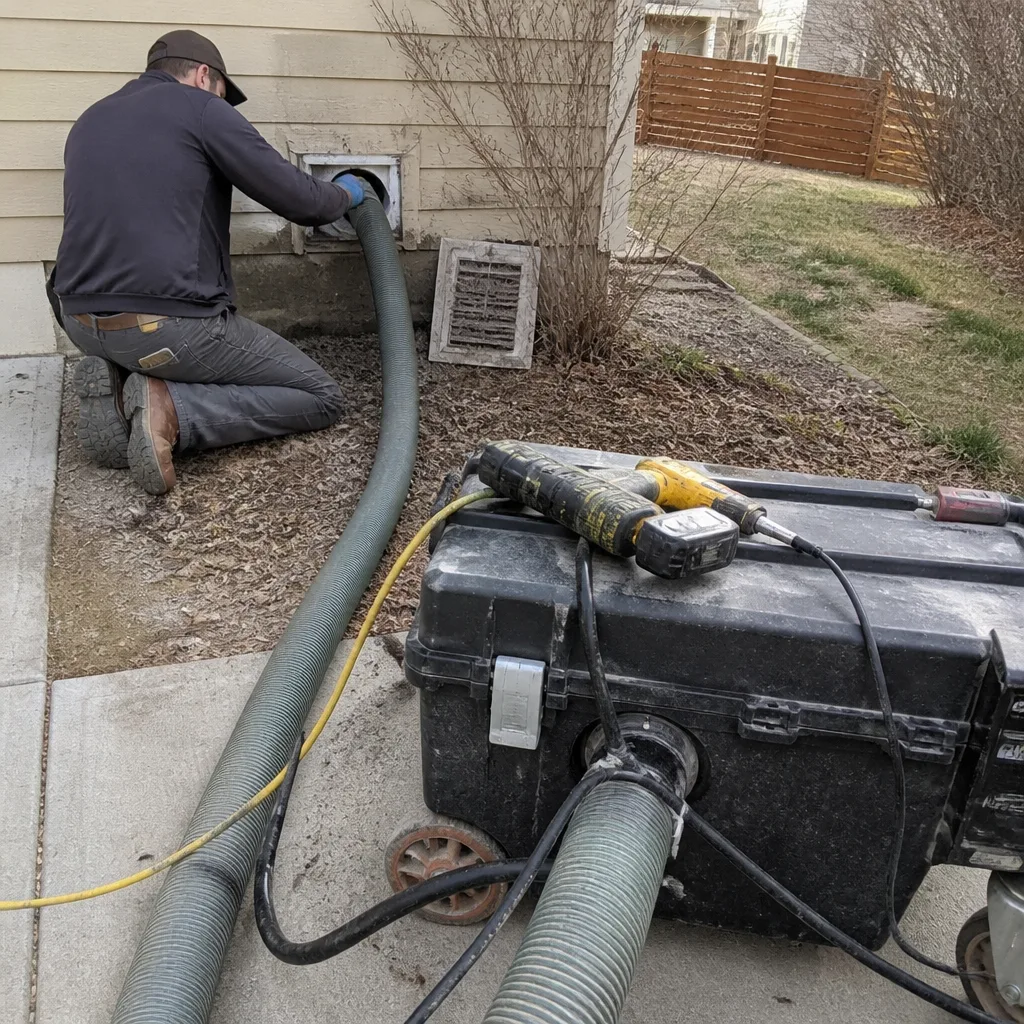 Before
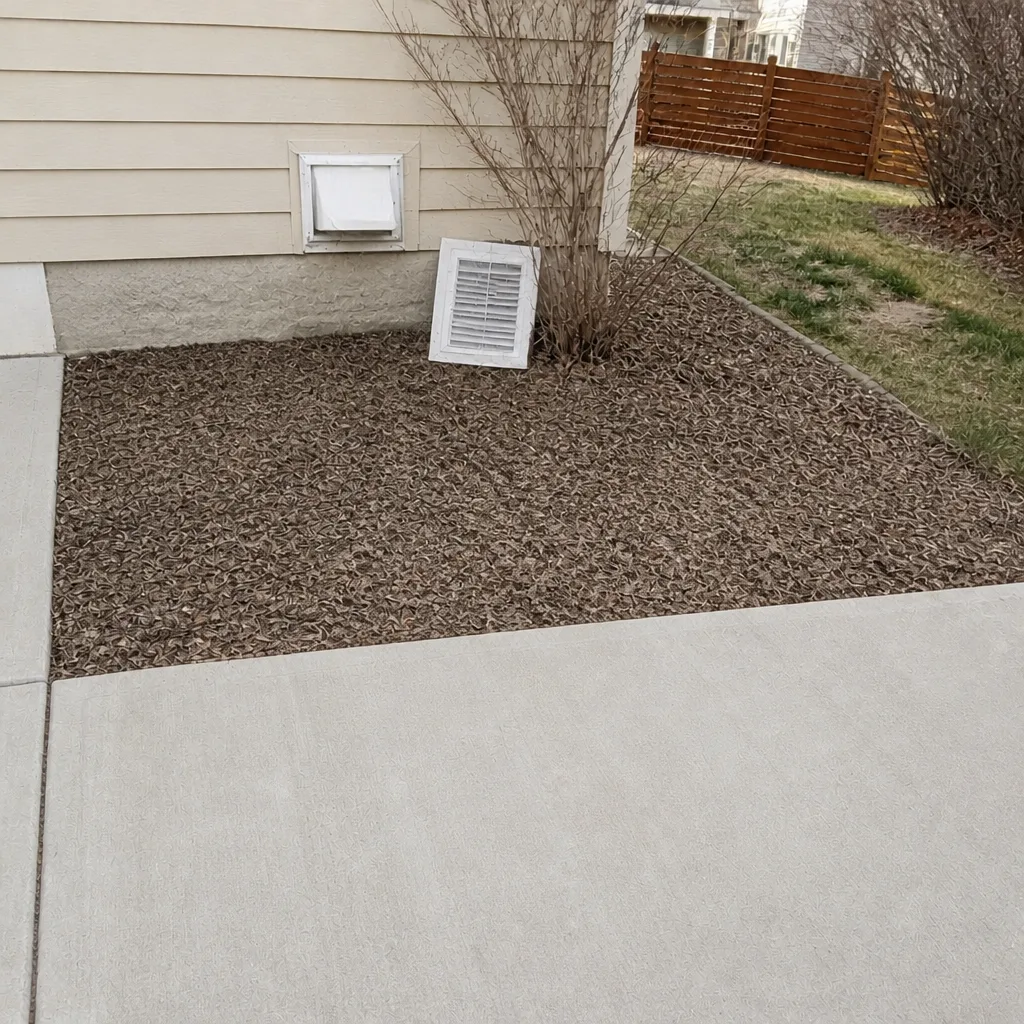 After
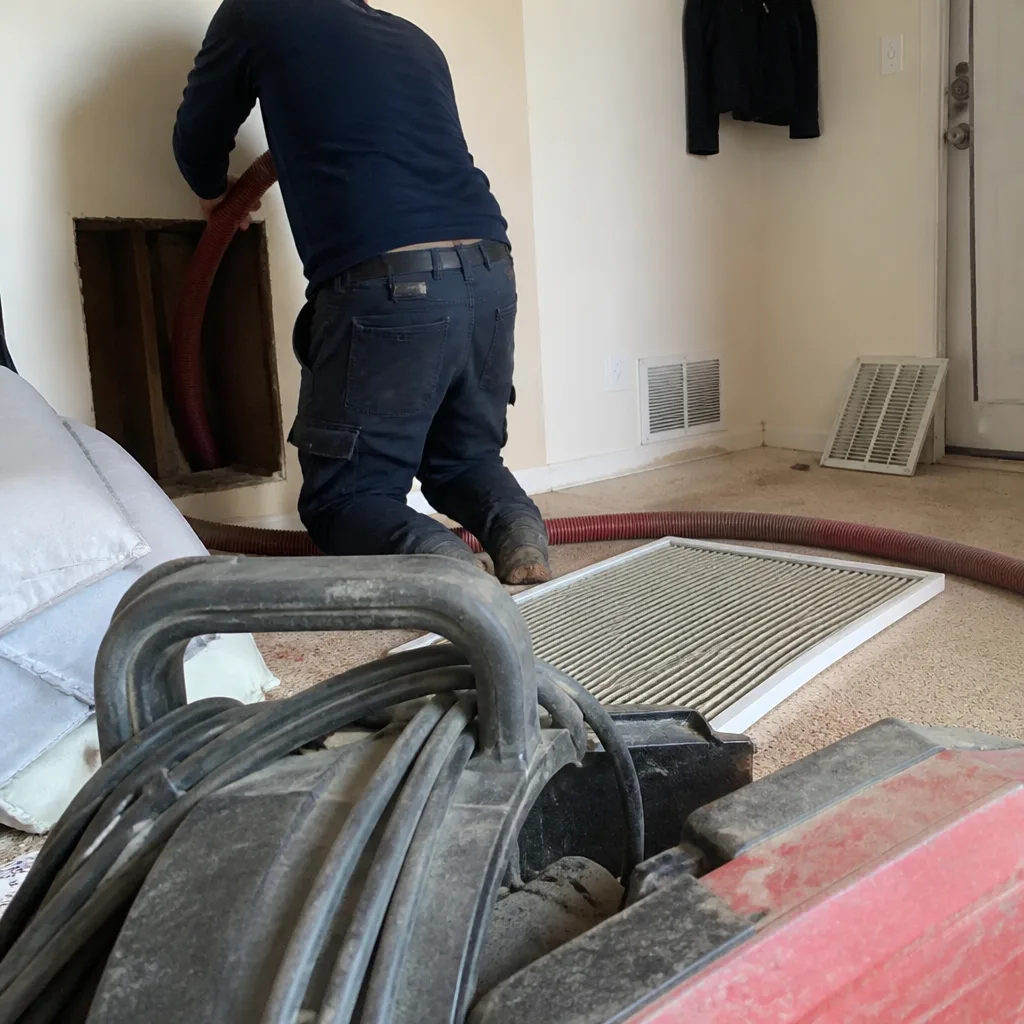 Before
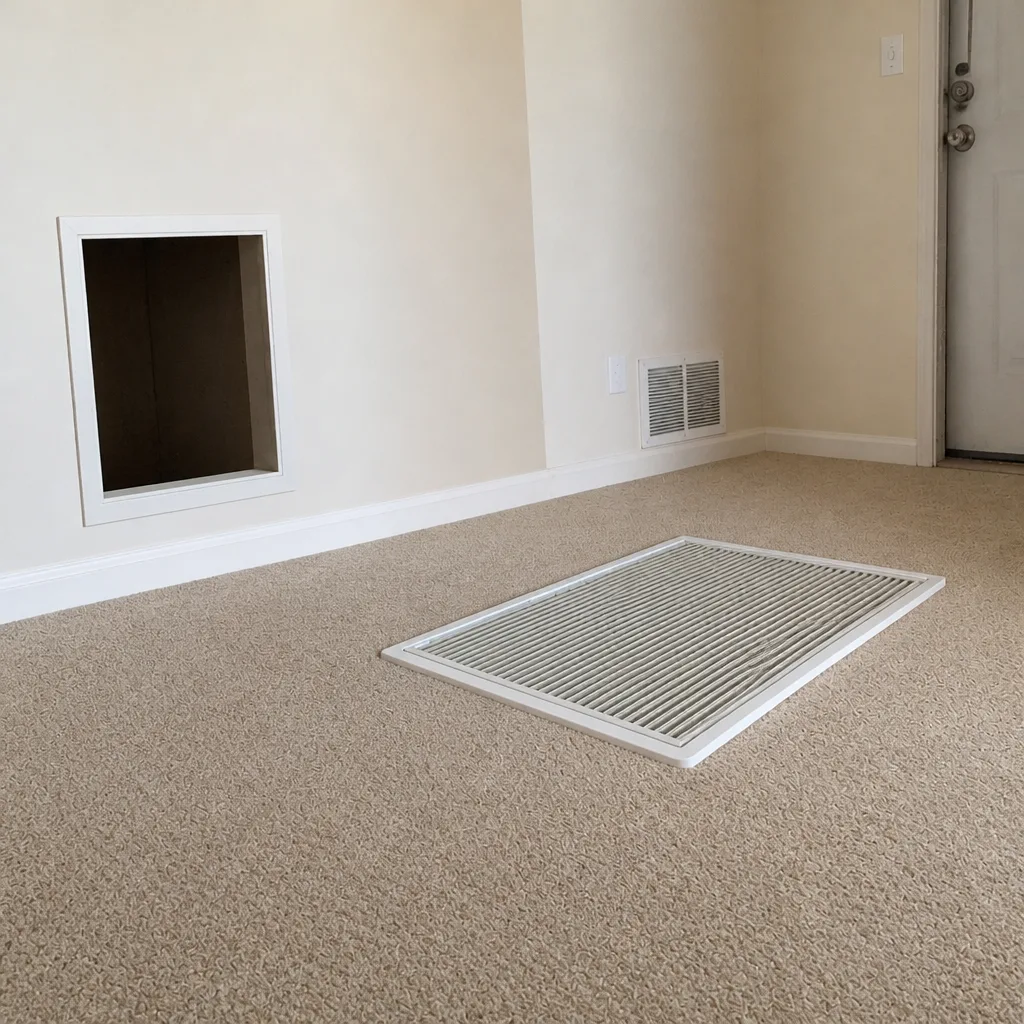 After
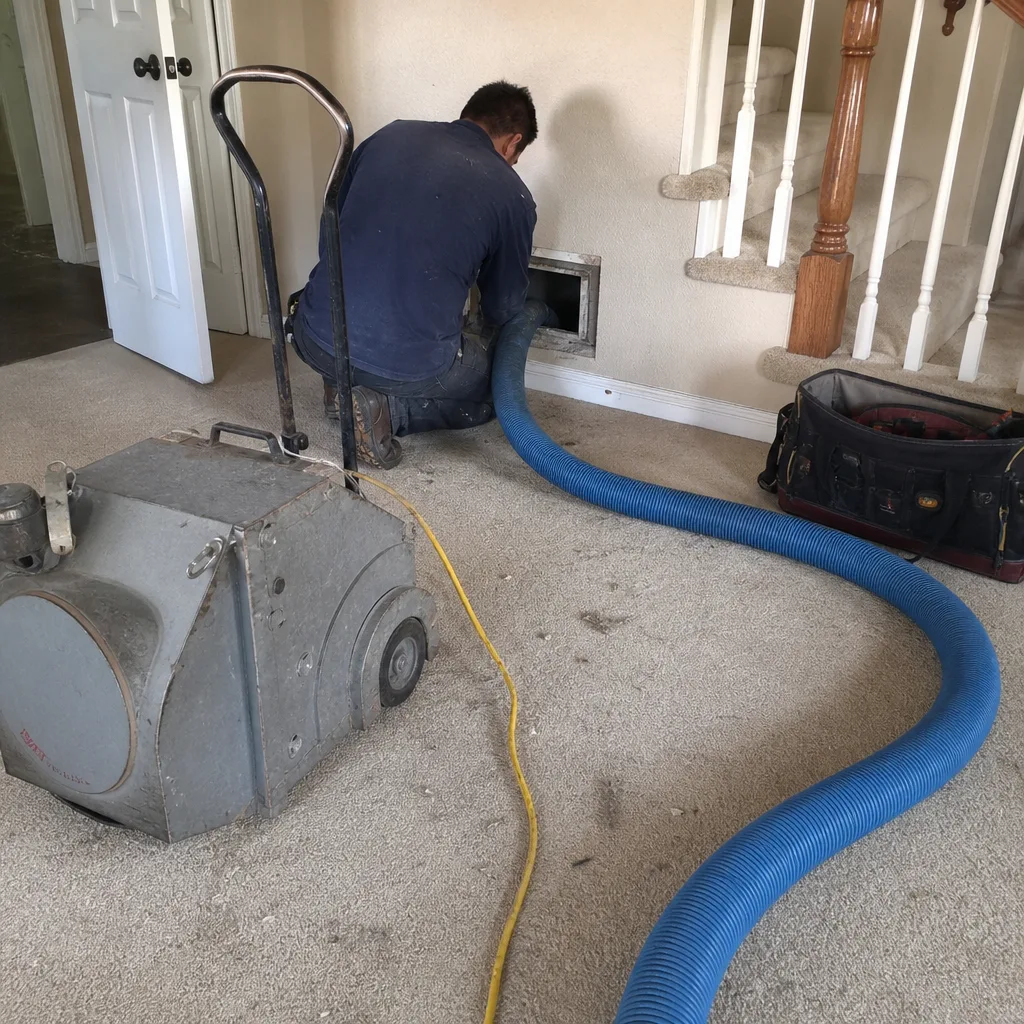 Before
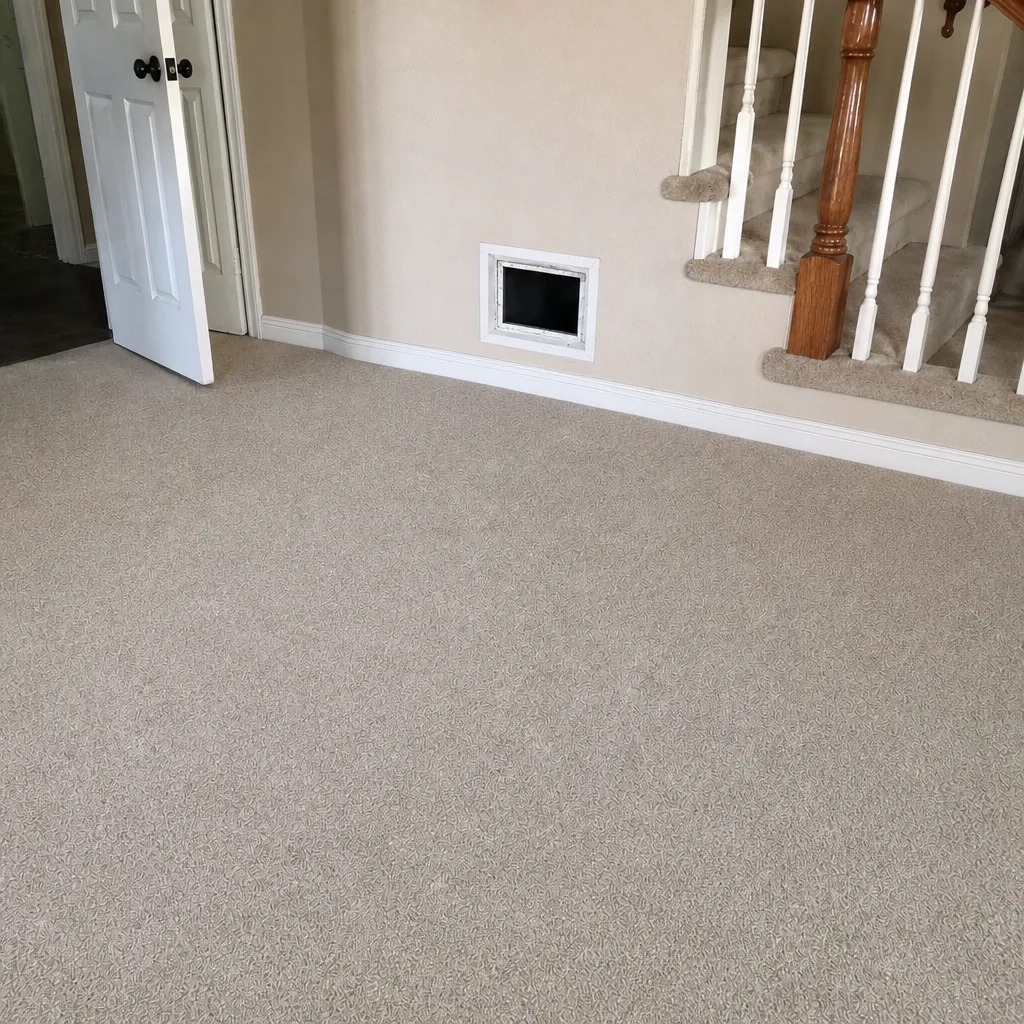 After
Frequently Asked Questions
Air duct cleaning in Westminster costs what the written estimate says for your specific system, and a real estimate is given after the contractor knows your square footage, register count, and system layout. Be wary of any price given before those questions are asked. The whole-system scope matters more than the number: a quote that covers main trunk lines, every register, and post-job photos is a different product than a quote that covers branch lines only. Call (855) 337-2019 for a free estimate. We answer 24/7. Fast dispatch from 7am to 7pm, Sunday through Friday.
Cheap quotes are usually thin scopes, not better deals. The typical differences are main trunk line cleaning omitted, containment equipment skipped (that’s expensive equipment to own and time-consuming to set up), and a lower equipment class overall. Some quotes are also door openers designed to lead to an on-site upsell once the technician is inside. A written scope showing line items and equipment class lets you see where the savings came from.
Ask for before-and-after photos of your own ducts, not stock images, and a written summary of what was found and cleaned. That’s the verification standard. A contractor who runs proper containment and a HEPA vacuum will have both available because the job naturally produces them. If you’re being shown photos you can’t confirm are your own system, ask for a second walkthrough before the crew packs up.
There’s no universal schedule. Westminster’s long heating season and dry, dusty climate mean the system sees substantial airflow, but the right interval depends on your specific system, whether you’ve had pets or a remodel, and whether you have allergy or respiratory concerns in the household. If you notice musty odors, uneven airflow, or visible dust from registers, that’s a better trigger than a calendar. An inspection will tell you what your specific ducts look like.
You should ask, and any legitimate company will answer. A Westminster or Adams County address isn’t a legal requirement to work here, but it’s how you verify you have recourse if something goes wrong, and it correlates strongly with companies who actually do local jobs. Ask for the certificate of insurance at the same time. Both should arrive without friction.
Duct cleaning can reduce the particulate that travels through your duct system, which is one contributor to indoor air quality issues. It won’t solve every cause of allergy symptoms, and it won’t fix uneven airflow that stems from a crushed duct or a disconnected joint (that’s a duct repair issue, not a cleaning one). The right approach is an inspection first: find out what’s actually in the system and what’s causing the symptom before deciding which service applies.
The Bottom Line
Hiring an air duct cleaning contractor in Westminster comes down to five phone questions, a written scope, and a willingness to walk away from anyone who gives vague answers. Ask about CFM rating, agitation method, truck-mount versus portable, camera capability, and containment. Verify NADCA status through the directory, ask for a Colorado insurance certificate and a local address, and require a written scope that lists register count, branch line count, trunk line coverage, and exclusions. Compare bids on scope and equipment before price. And if the number looks too good to have come from a real job, it didn’t. Call (855) 337-2019 for a free estimate. We answer 24/7. Fast dispatch from 7am to 7pm, Sunday through Friday.
Written by the team at Air Duct Cleaning Westminster Pros.