
Last updated November 23, 2026
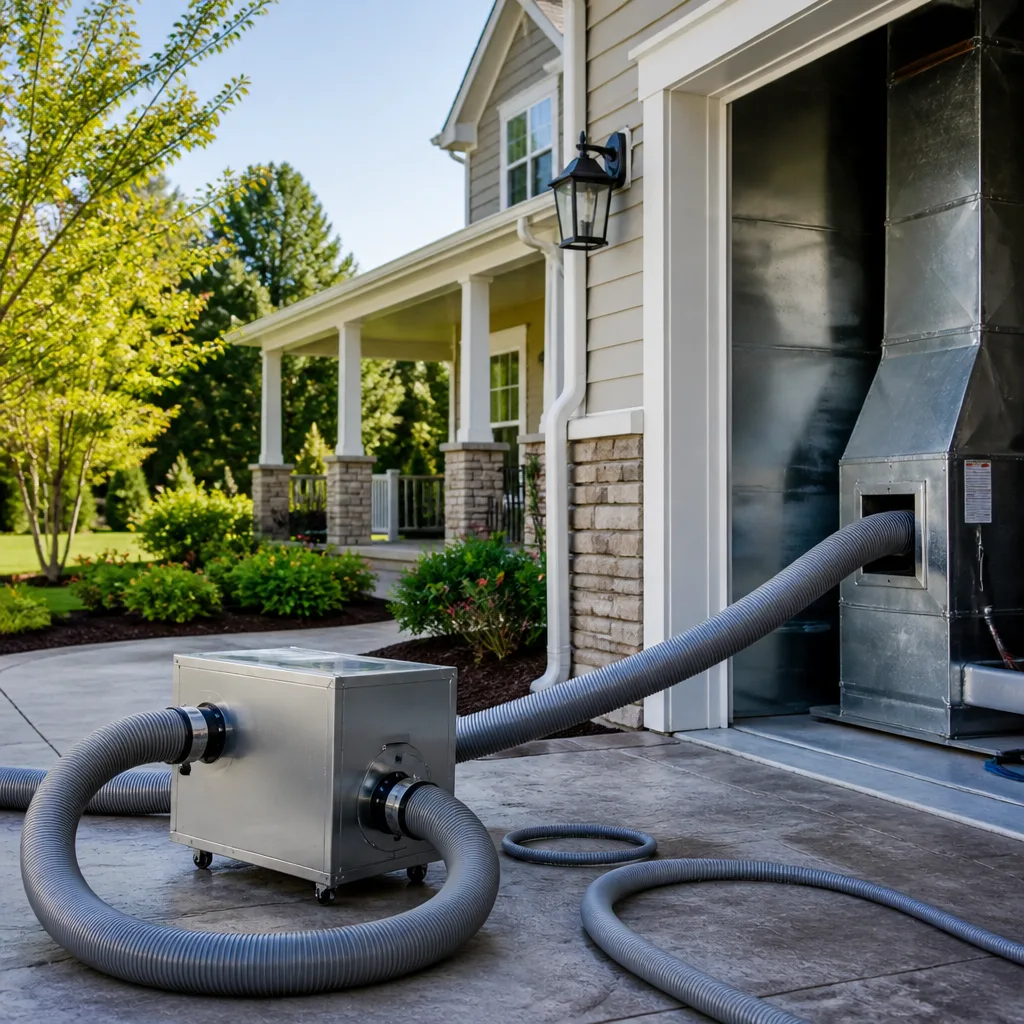 Whole-home duct cleaning
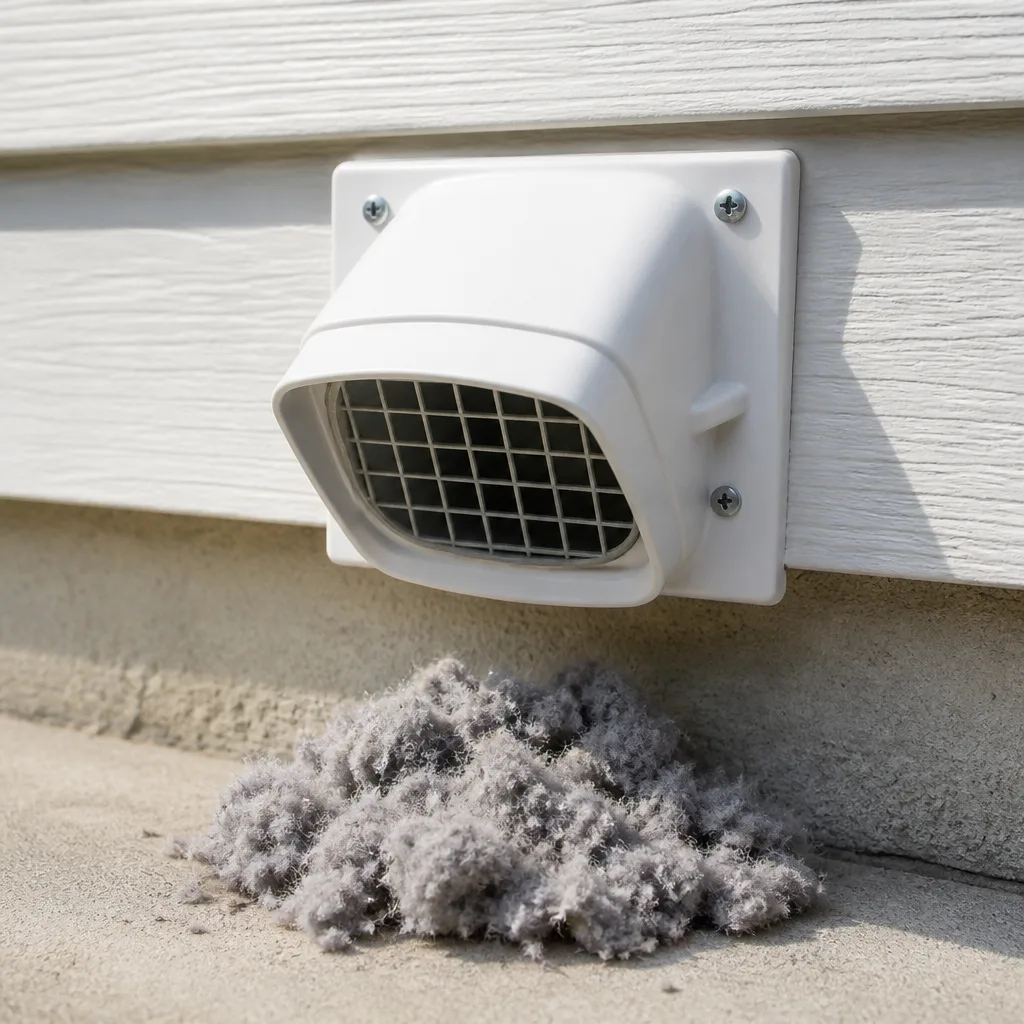 Dryer vent cleaning
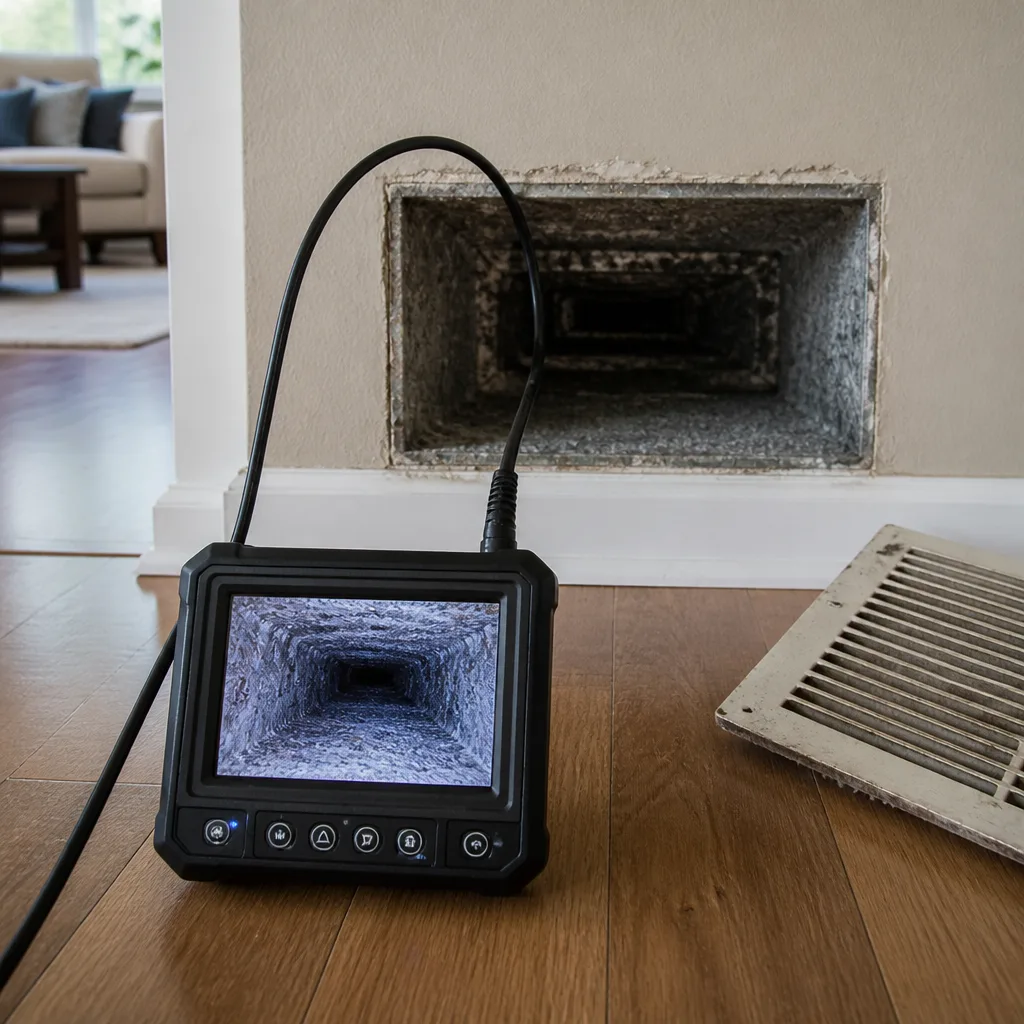 Camera inspection
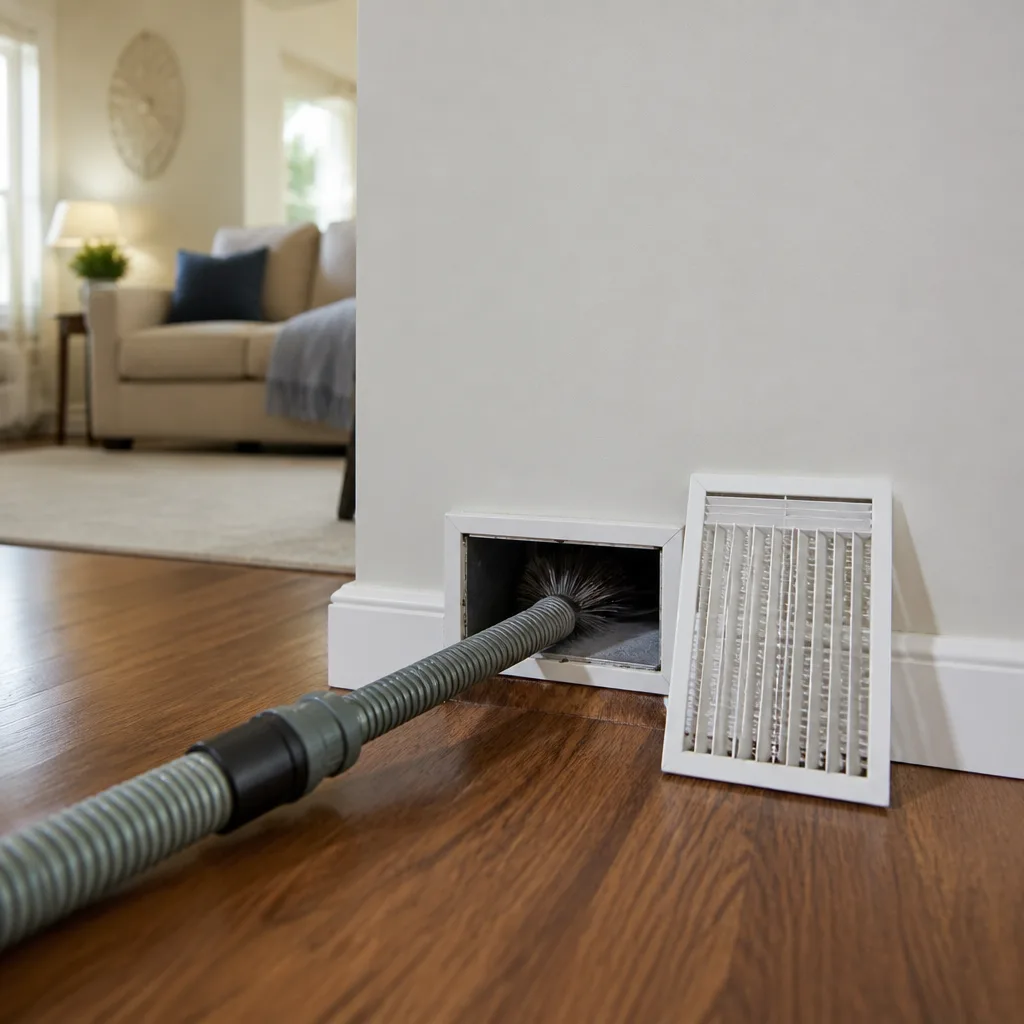 Sanitizing & deodorizing
Whole-system duct and dryer vent check with before-and-after photos - you see exactly what came out of your vents
That "$99 whole-house special" is a bait ad - the real number appears once they are in your hallway, or the "clean" is a shop-vac at the register. We photograph the inside of your ducts before and after instead.
Air Duct Cleaning Permits, Codes & Inspections in Westminster, CO: What You Need to Know
Here’s the part most homeowners get wrong: they assume the word “cleaning” settles the question. It doesn’t. Colorado’s mechanical code doesn’t care what your contractor called the job. If someone cut into your ductwork, replaced a section of liner, or resealed a run, that stops being maintenance and starts being a mechanical modification, and both Jefferson County and Adams County have rules about that. Westminster sits on both sides of that county line, which means two properties a mile apart can face different inspection requirements for the same work. This guide walks through where the line actually falls, what triggers a permit, what sanitizing products require under federal rules, and how to keep clean paperwork so unpermitted work never surfaces during a home sale.
Quick Answer
Air duct cleaning by itself almost never requires a permit in Westminster, CO. Cleaning is considered routine maintenance. Permits come into play when the job crosses into duct modification: cutting into or rerouting ductwork, replacing duct sections, changing system capacity, or installing new runs. Because Westminster straddles Adams and Jefferson counties, the inspection authority depends on where the property sits, and duct sanitizing with biocides adds a separate federal FIFRA compliance layer that has nothing to do with building permits.
Styles & brands we work with
- Whole-home duct cleaning
- Dryer vent cleaning
- Camera inspection
- Sanitizing & deodorizing
Table of Contents
- Where Cleaning Ends and Modification Begins Under Colorado’s Mechanical Code
- Westminster’s Dual-County Reality: Adams County vs. Jefferson County
- Duct Sanitizing, Biocides, and EPA FIFRA Compliance
- The HOA and CC&R Disclosure Layer in Westminster’s Planned Communities
- What Home Inspectors Flag as “Unpermitted Duct Work”
- How to Document Legitimate Cleaning and Repair for Resale
- Why Westminster Homes Accumulate Duct Debris the Way They Do
- How to Vet a Duct Contractor Against These Requirements
Where Cleaning Ends and Modification Begins Under Colorado’s Mechanical Code
Colorado adopts the International Mechanical Code as its base, and local jurisdictions amend it on top. The distinction that matters for duct work is between maintenance and alteration. Maintenance means removing debris from an existing, intact system. Alteration means changing the system’s physical configuration. The first is exempt from permitting in essentially every Colorado jurisdiction. The second is not.
In practical terms, here’s how the split usually falls:
- Surface cleaning (no permit): Rotobrush rotary-brush contact cleaning of duct interiors, Nikro HEPA vacuum extraction, register and grille removal for access, and cleaning of the air handler cabinet exterior. Nothing is cut or reconfigured.
- Liner replacement (usually a permit): When internal duct liner is torn, delaminating, or contaminated beyond cleaning and gets replaced, the duct assembly itself has been altered. Most building departments treat this as mechanical work.
- Duct modification (permit required): Cutting into a trunk line to add a run, rerouting a duct around an obstacle, changing duct size to correct static pressure, or replacing a collapsed flex run. This is squarely mechanical alteration.
- Sealing (varies): Applying mastic or foil tape to accessible joints during cleaning is generally treated as maintenance. Cutting open a plenum or plenum box to seal inside it can trigger a permit, depending on the jurisdiction.
The honest answer is that the boundary shifts by jurisdiction and by how much the job touches the system’s structure. In our experience, the right move before any job that involves cutting is a phone call to the local building department with a plain description of the work. Air duct cleaning in Westminster rarely needs that call. Duct repair and sealing often does, and that’s exactly why we separate the two in the estimate so a homeowner knows which side of the line the job falls on.
Westminster’s Dual-County Reality: Adams County vs. Jefferson County
Westminster is one of the few Front Range cities split across two counties. The southern and western portions sit in Jefferson County. The northern and eastern portions sit in Adams County. The building permit and inspection authority follows the county line, not the city limit, so a homeowner near the US-36 corridor and a homeowner near 120th Avenue can be dealing with two different review processes for the same scope of work.
What that means in practice:
- Confirm the county before you file anything. Check the property’s county assessor record or the closing documents from when you bought the home. The mailing address says Westminster. That doesn’t tell you which county reviews the permit.
- Expect different submittal formats. Adams and Jefferson each run their own permit portal and their own submittal checklist. A packet prepared for one will not slot cleanly into the other.
- Expect different inspection scheduling. Rough-in and final inspection windows, and how quickly they book, differ between the two.
- Expect different documentation of the final. The inspection card or final sign-off looks different, and a future buyer’s inspector will be looking for whichever one applies to that address.
This split is the single most common source of confusion we field on duct repair questions in Westminster. A homeowner calls a contractor who only works one side of town, the contractor files in the wrong county or doesn’t file at all, and the problem sits dormant until a sale. If a contractor can’t tell you which county your property sits in within a couple of minutes, that’s a signal about how carefully they handle the paperwork on the rest of the job.
Duct Sanitizing, Biocides, and EPA FIFRA Compliance
Sanitizing is where homeowners get the least information and where the federal rules are the most specific. Any product applied to your ductwork to kill or inhibit microorganisms is a pesticide under the Federal Insecticide, Fungicide, and Rodenticide Act. That’s a federal law, entirely separate from county permits, and it applies regardless of which side of Westminster the property sits on.
What that means for your job:
- The product must be EPA-registered for HVAC use. Not a general-purpose cleaner, not a disinfectant labeled for hard surfaces. The label must specifically list duct or HVAC system application.
- The contractor must follow the label exactly. Application rate, dwell time, and required ventilation are all on the label, and deviating from it is a violation, not a shortcut.
- You can ask for the label. A contractor who applies a biocide should be able to produce the product label and the safety data sheet on request. That’s not an unreasonable ask. It’s the documentation you’d want if a family member developed a reaction afterward.
- Ask whether sanitizing is even warranted. Surface cleaning with Rotobrush equipment and HEPA extraction from a Nikro vacuum addresses the debris. Sanitizing is a separate decision, and it should be driven by what the inspection actually found, not added to every job by default.
Where sanitizing is warranted, the products we integrate include Guardsman antimicrobial treatments, applied to the labeled rate. We also deploy Abatement Technologies air scrubbers and negative-air containment during cleaning so that whatever gets disturbed stays contained rather than redistributing through the home. If you’re comparing bids and one includes a “free sanitizing treatment” with no product documentation, that’s the one to question.
The HOA and CC&R Disclosure Layer in Westminster’s Planned Communities
Building codes are the floor. HOA covenants are a separate layer on top, and in Westminster’s newer planned developments, that layer often has its own rules about HVAC changes. A permit doesn’t satisfy a covenant, and a covenant doesn’t satisfy a permit. You can have both, or neither.
What typically triggers CC&R disclosure in a planned community:
- Visible exterior changes. New or relocated rooftop penetrations, changed vent locations, or altered exterior duct terminations.
- Capacity changes. A homeowner who upsizes equipment and modifies ductwork to match may be required to disclose the alteration to the architectural review committee.
- Structural modifications. Rerouting a trunk line through a framed cavity, or adding ductwork through a wall assembly, sometimes falls under the same disclosure requirement as any other structural change.
- Rooftop or attic equipment changes. Some Westminster-area covenants require notice before any work in an attic or on a roof, regardless of whether the work is interior.
How to check before you start: pull your CC&Rs from your closing packet or the HOA’s document portal. Search for the terms “HVAC,” “mechanical,” “architectural review,” and “alteration.” If any of those terms appear in a section about exterior or structural changes, read the whole section. A quick call to the HOA manager is faster than reading the full document. And if the work does need architectural review, get that approval before the contractor starts, not after.
What Home Inspectors Flag as “Unpermitted Duct Work”
Home inspectors don’t verify permits against county records during a standard inspection. What they do is look for physical evidence that the ductwork has been altered in a way that doesn’t match the rest of the house, and then note it in the report as something the buyer’s agent should investigate. That note is what costs sellers money at the negotiating table.
The physical evidence they most often flag:
- Mismatched duct materials. Factory-made flex duct spliced to rigid sheet metal in a way that doesn’t look original.
- Fresh mastic or tape at joints. Newer sealant on an older system reads as recent work, and the inspector wants to know who did it and whether it was permitted.
- Non-standard routing. Duct runs that don’t match the original mechanical plans, visible in the attic or crawlspace.
- Missing or loose insulation on duct runs. A run that’s been handled and re-insulated sloppily.
- New registers or returns. Cut-in locations that don’t match the home’s age.
- Attic penetrations. Any hole cut through a top plate or roof deck during duct work.
None of that distinguishes permitted work from unpermitted work. It only distinguishes “looks recently touched” from “looks original.” That’s why documentation matters so much, and why a homeowner who had legitimate cleaning done shouldn’t assume the inspector will know it was legitimate. The report is written to protect the buyer. The homeowner’s job is to have paperwork that answers the question.
How to Document Legitimate Cleaning and Repair for Resale
Whether you’re selling in two years or ten, build a simple file with the following. The paperwork takes an hour to assemble and can prevent a five-figure credit at closing.
- Keep the original written estimate. A line-item estimate that clearly states the work was cleaning-only, or itemizes which parts were repair, is the single most useful document. It establishes what was and wasn’t done.
- Save the before-and-after photos. Every thorough job with professional equipment should produce photos of the duct interiors. Keep them.
- Save the permit number and inspection card if a permit was filed. If a duct modification was permitted, you should have the inspection card and final sign-off. Keep the county’s card in your file.
- Save the sanitizer documentation if biocides were used. Product name, EPA registration number, and the contractor’s application record. This shows the work was done under FIFRA rules, not improvised.
- Save the HOA architectural review approval if it applies. A signed committee approval closes the CC&R question for a future buyer.
- Save the contractor’s company name on the invoices. Not a handwritten receipt from a person. A company name on the invoice ties the work to something traceable.
We recommend keeping all of this in the same folder as your HVAC service records and your appliance manuals. If a buyer’s inspector flags “recent duct work,” the homeowner who can produce an estimate, photos, and a permit number ends the conversation in five minutes. The homeowner who can’t spend weeks chasing down a contractor who may not answer the phone.
Why Westminster Homes Accumulate Duct Debris the Way They Do
The Front Range climate and Westminster’s specific geography are hard on ductwork. Low humidity for most of the year means airborne dust hangs and settles rather than getting pulled out by moisture. The winter heating season runs long, so the furnace pushes air through the same ducts for months on end. Winds coming off the foothills push fine particulate into return air intakes and unfiltered crawlspace and attic spaces. And the temperature swings between winter and summer expand and contract metal ductwork, loosening joints over time.
Newer Westminster construction often has tight envelopes and short duct runs from a central mechanical closet. That’s efficient, but it concentrates debris in a smaller volume and makes every leakage point matter more. Older homes toward the south and west side of the city tend to have longer, more segmented duct runs in unconditioned space, which means more leakage and more opportunity for drafts. Either way, the practical answer is the same: inspect, clean, repair what leaks, and document what you did. That’s what a full-service duct crew does versus a surface-level cleaning-only operator. Our HVAC cleaning scope covers the coil, blower, and air handler alongside the duct system, because the primary contamination source is often upstream of the ducts, and dryer vent cleaning rounds out the indoor-air loop.
How to Vet a Duct Contractor Against These Requirements
Ask these questions before booking. The answers tell you most of what you need to know about whether the company operates at permit-level rigor.
- “What equipment will you bring?” The answer should include a rotary-brush system and a HEPA-rated vacuum. Rotobrush and Nikro are the two systems specified by industry standards bodies. A shop vac and a compressor with a nozzle is not a duct cleaning.
- “Do you use containment?” Deploying an Abatement Technologies negative-air machine and air scrubber is the difference between cleaning and redistributing. A contractor without containment is moving dust into your living space.
- “Is this job cleaning, or does it involve cutting?” Ask them to state it plainly on the estimate. If it involves cutting, ask which county your permit goes to.
- “If you find damage, do you repair it or leave it?” A thorough inspection will find torn liner, collapsed flex runs, and leaking seams on more jobs than not. A crew that can’t repair them sends you to another vendor.
- “What products do you use for sanitizing, and can I see the label?” The answer should name EPA-registered products. The contractor should be able to produce the label on request.
- “Can you document what you did with photos and a written summary?” Before-and-after photos, an invoice with the company name, and a written record of any sanitizing products are all things you’ll want for resale.
A well-equipped crew brings the whole package. Read more about what air duct cleaning covers with professional equipment, and how our HVAC cleaning service complements duct work by addressing the air handler and coil side, where a lot of the source contamination lives.
Common Mistakes to Avoid
- Assuming “cleaning” always means no permit. It doesn’t. Anything that cuts into the duct system, replaces a section, or changes capacity is likely mechanical work. Confirm the scope in writing on the estimate so the permit question is settled before the job starts.
- Filing the permit in the wrong county. Westminster straddles Adams and Jefferson. A homeowner who guesses wrong ends up with a permit in the wrong jurisdiction and an inspection that won’t clear. Check the assessor record before filing.
- Letting a contractor apply a biocide with no documentation. FIFRA registration is federal, not local. If nobody can show you the EPA-registered label, don’t let the product near your ductwork. Surface-cleaning with proper equipment may be all the job actually needs.
- Skipping the HOA architectural review in planned communities. Many Westminster-area CC&Rs require disclosure of HVAC modifications even when the work is interior. Chasing that approval months after the work is done is far harder than asking first.
- Not keeping the documentation. The estimate, the before-and-after photos, and the permit card are the entire defense against an “unpermitted duct work” flag at resale. An hour spent filing saves weeks of backtracking.
- Hiring on price alone and getting no containment. A low bid that shows up with consumer equipment and no negative-air setup is moving dust around your home, not removing it. The equipment list is the honest signal about the quality of the work.
- Repairing the symptom instead of the leak. Re-cleaning ducts without sealing the runs that are leaking will just put the same debris back in the same place. Duct repair and sealing is the root-cause step.
See the difference
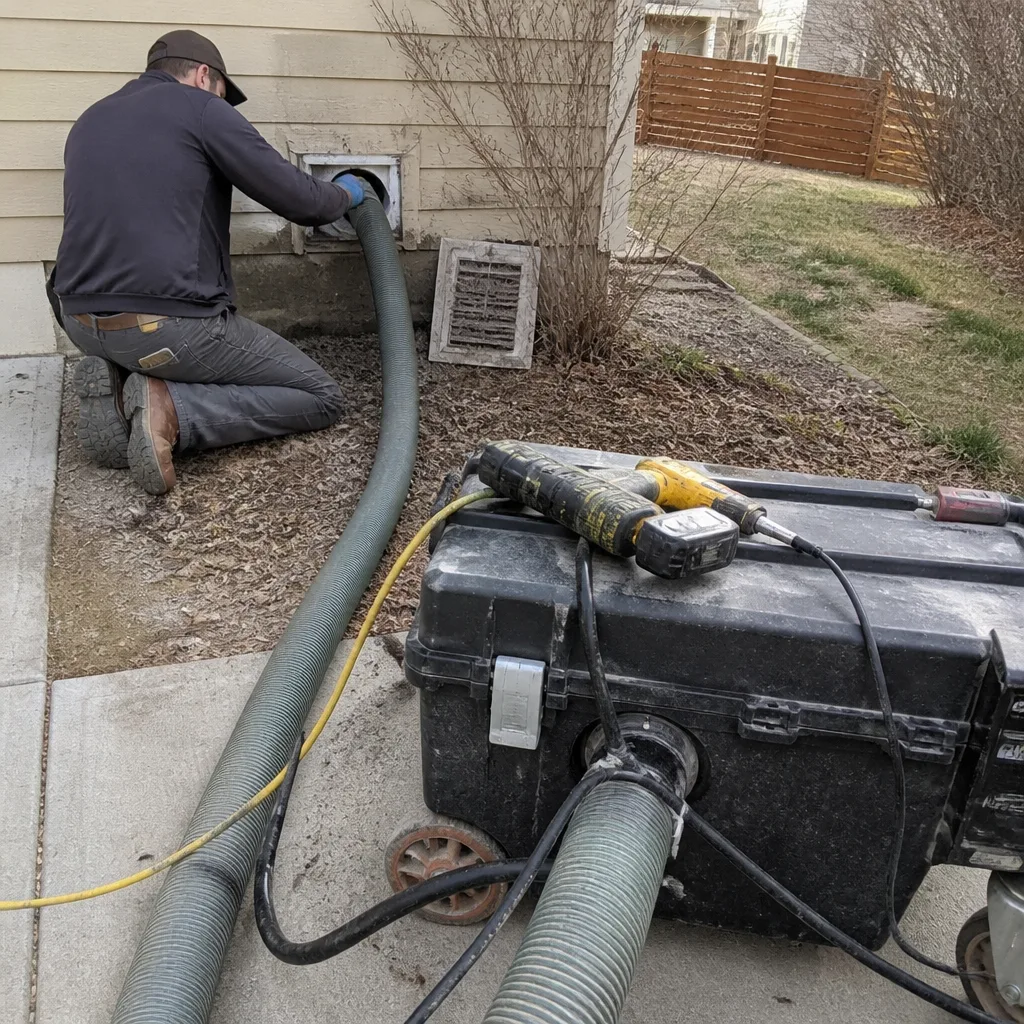 Before
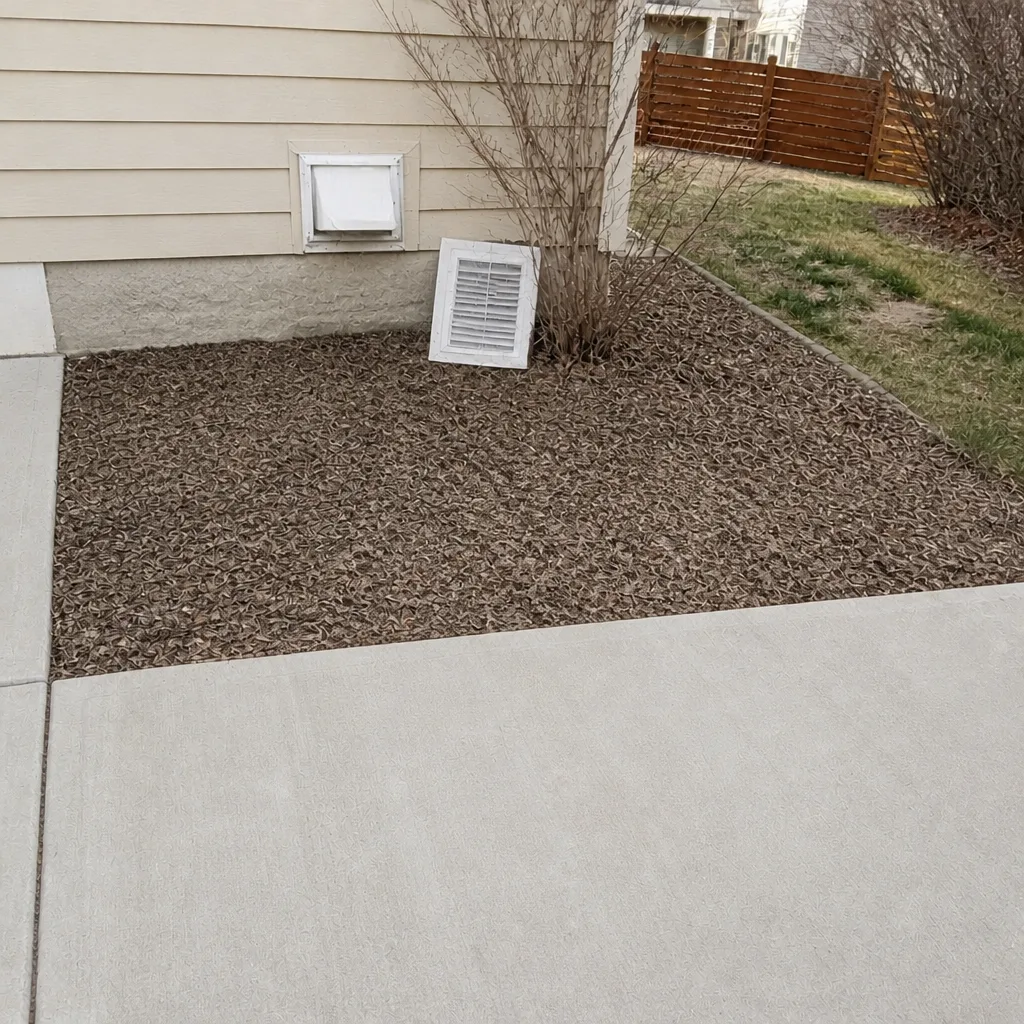 After
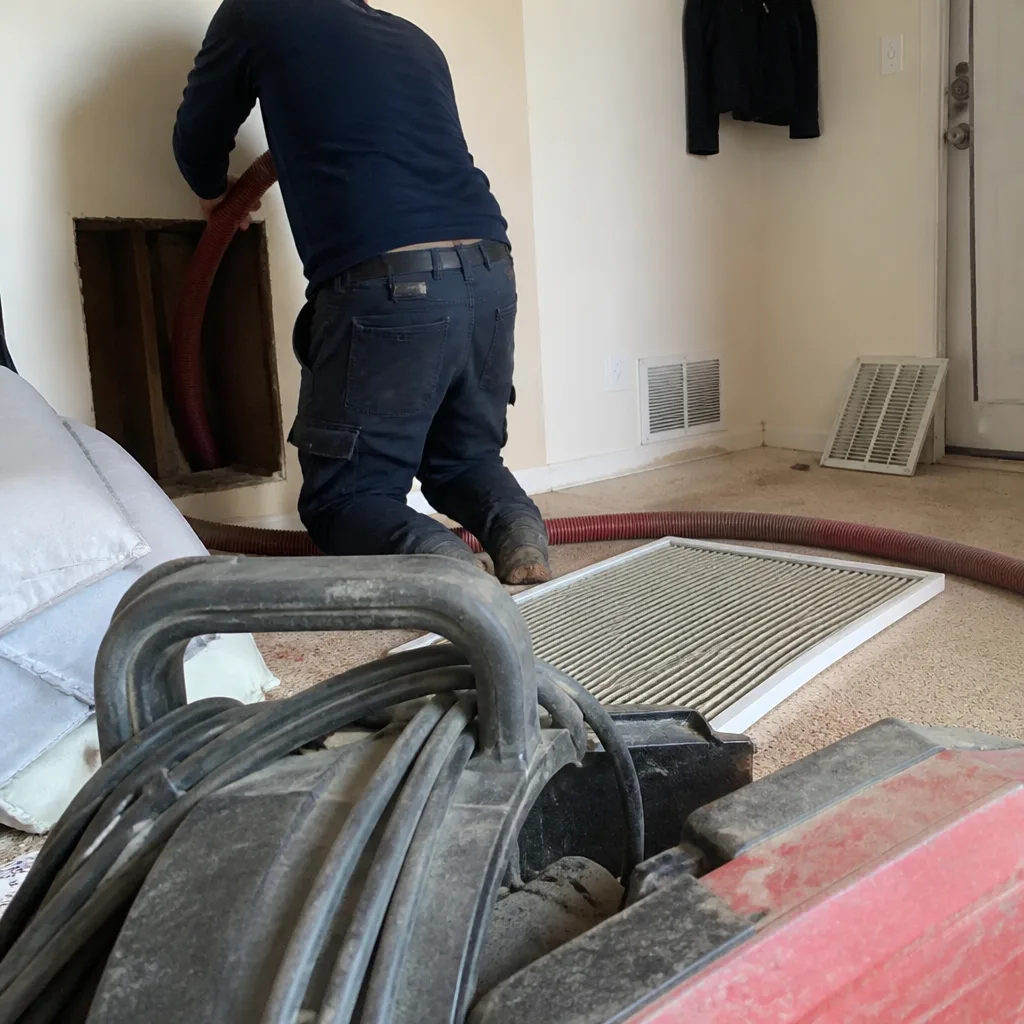 Before
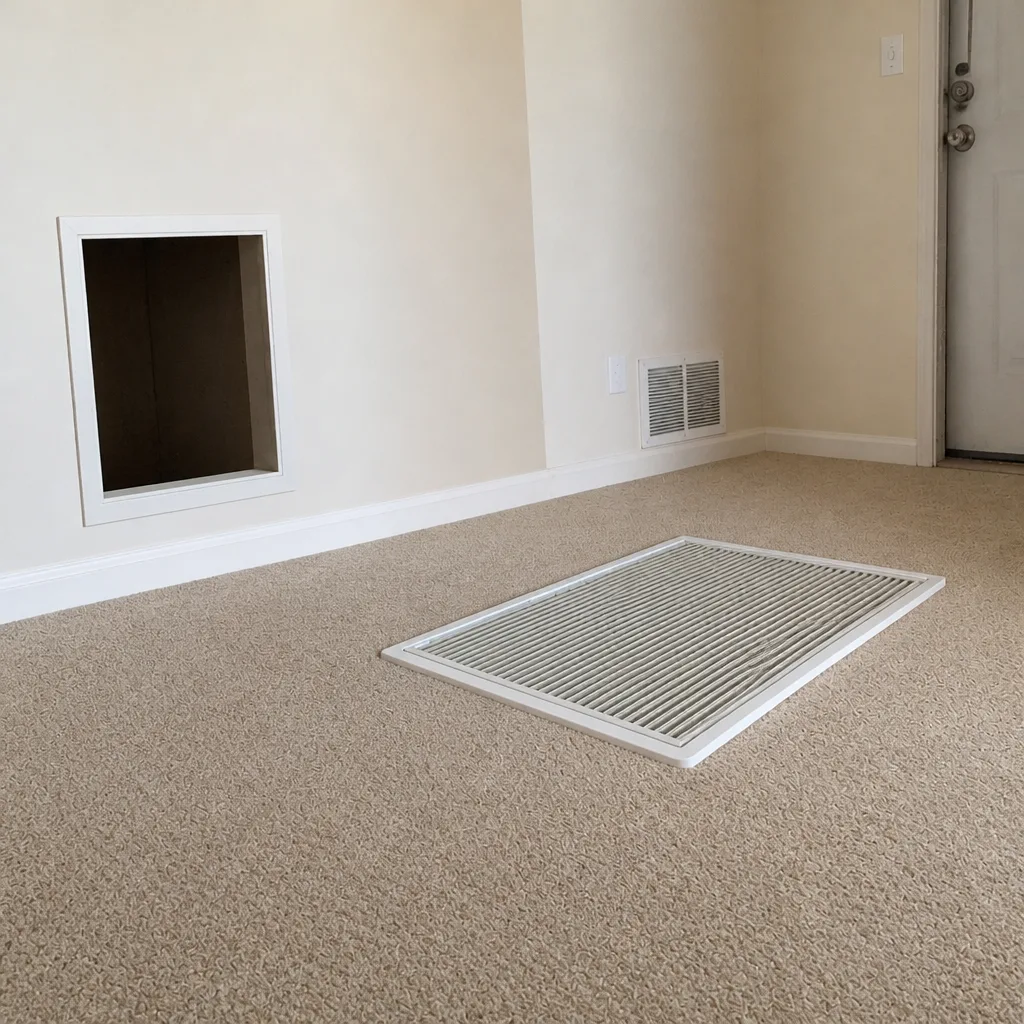 After
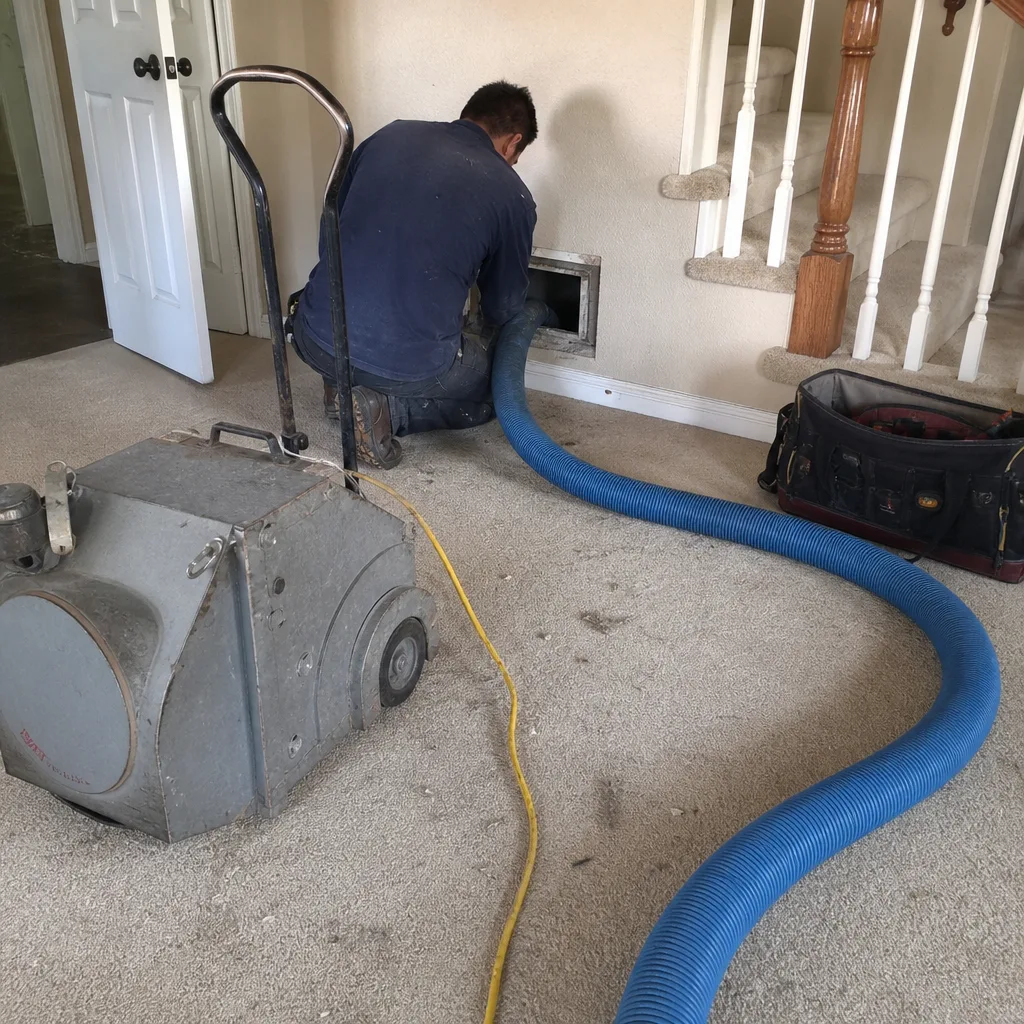 Before
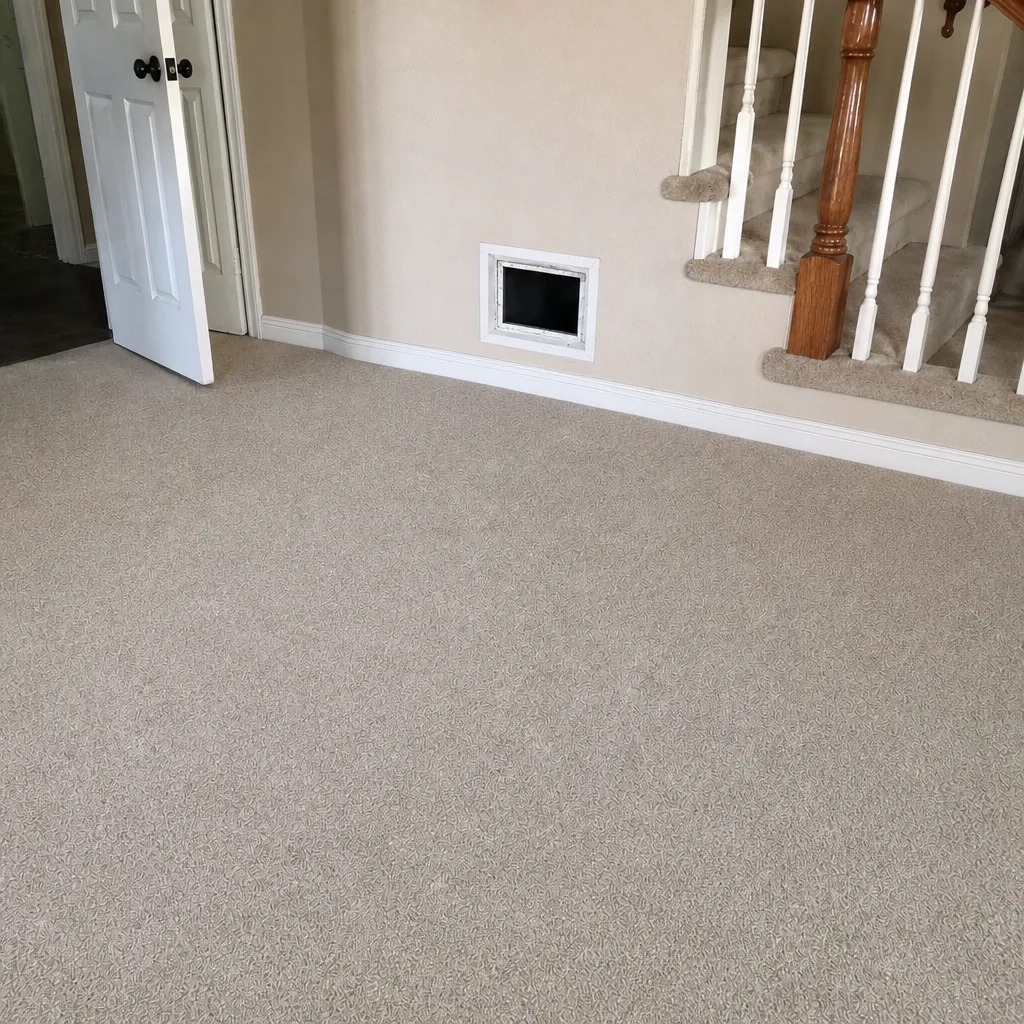 After
When to Call a Professional
Call a professional when you notice musty odors from registers, visible dust puffing from vents when the furnace kicks on, uneven airflow between rooms, or a spike in energy bills that doesn’t line up with weather. Also call if you’ve just bought a home with unknown duct history, are preparing to sell, or had a contractor do duct work you can’t document. The permit question and the cleaning question are related but separate, and the right way to settle both is a written estimate that states the scope precisely. Air Duct Cleaning Westminster Pros offers free estimates in Westminster. We inspect what’s there, tell you plainly which parts of the job fall under maintenance and which fall under a permit, and document the work with before-and-after photos. Call (855) 337-2019. We answer 24/7. Fast dispatch from 7am to 7pm, Sunday through Friday.
Frequently Asked Questions
No. Routine air duct cleaning is treated as maintenance and doesn’t require a permit in Westminster, whether the property sits in Adams or Jefferson County. Permits apply when the job crosses into duct modification: cutting into ductwork, replacing a duct section, or changing system capacity. Call (855) 337-2019 for a free estimate that states the scope clearly. We answer 24/7.
It depends on which side of the city the property sits on. Westminster straddles Adams and Jefferson counties, and the permit authority follows the county line, not the city limit. Check your property’s assessor record to confirm the county before filing or hiring. If a contractor can’t tell you which county you’re in, that’s worth noticing. Call (855) 337-2019 to talk through the scope. We answer 24/7.
Yes. Any product applied to kill or inhibit microorganisms in ductwork is a pesticide under the federal Insecticide, Fungicide, and Rodenticide Act, regardless of permit status. The product must carry an EPA registration specifying HVAC use, and the contractor must apply it per the label. Ask to see the label and the safety data sheet. For a free estimate on cleaning and sanitizing separately, call (855) 337-2019. We answer 24/7.
The inspector is flagging physical evidence of recent duct alteration, not verifying permits against county records. Mismatched duct materials, fresh mastic at joints, cut-in registers, and non-standard routing are the usual markers. A homeowner with a written estimate, photos, and a permit number (where applicable) can resolve the question in minutes. Call (855) 337-2019 for a documented cleaning that gives you that file. We answer 24/7.
It can. Many CC&Rs in Westminster’s planned communities require architectural review for HVAC modifications, even interior ones, and a building permit doesn’t satisfy a covenant. Check the “HVAC,” “mechanical,” and “alteration” sections of your CC&Rs before booking, or call the HOA manager. If the work does need approval, get it in writing and file it with the job paperwork. Call (855) 337-2019 with a scope and we’ll walk you through it. We answer 24/7.
You should get before-and-after photos of the duct interiors, a written estimate that itemizes the scope, an invoice with the company name, and product documentation for any sanitizing. That’s the record that survives a resale inspection. A crew using Rotobrush rotary-brush equipment and Nikro HEPA vacuum systems can show the work; a low-bid van with minimal tools usually can’t. Call (855) 337-2019. We answer 24/7. Fast dispatch from 7am to 7pm, Sunday through Friday.
The Bottom Line
Cleaning is maintenance. Cutting into ductwork is mechanical work. The permit question turns on which side of that line a job sits on, and in Westminster the county line adds a second layer: Adams County and Jefferson County each run their own permit process, and a homeowner needs to know which one applies before a contractor starts. Federal FIFRA rules live on top of the permit layer whenever biocides are used, and HOA covenants sit on top of both. The practical answer for any Westminster homeowner is the same: get the scope in writing, confirm the county, ask for product labels if sanitizing is involved, and keep the documentation. The file you build today is the file that keeps unpermitted work from surfacing at resale. Air Duct Cleaning Westminster Pros covers cleaning, dryer vent cleaning, HVAC cleaning, duct repair and sealing, and air quality and sanitizing as one scope. If you want a written estimate that draws the permit line clearly, call (855) 337-2019. We answer 24/7. Fast dispatch from 7am to 7pm, Sunday through Friday. Our technicians have up to 15 years of experience, and the estimate is free. Learn more about Air Duct Cleaning Westminster Pros and how we scope a job from start to finish.
Written by the team at Air Duct Cleaning Westminster Pros.