
Last updated November 23, 2026
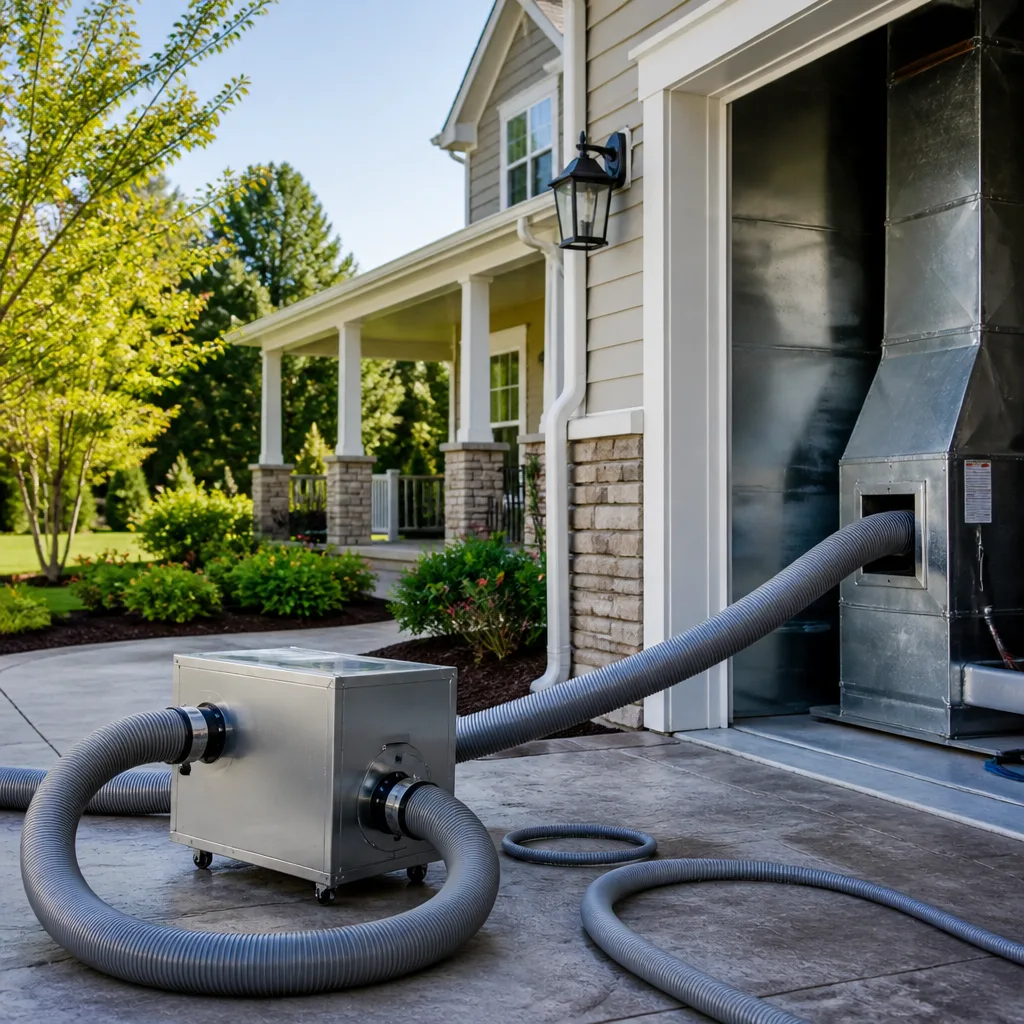 Whole-home duct cleaning
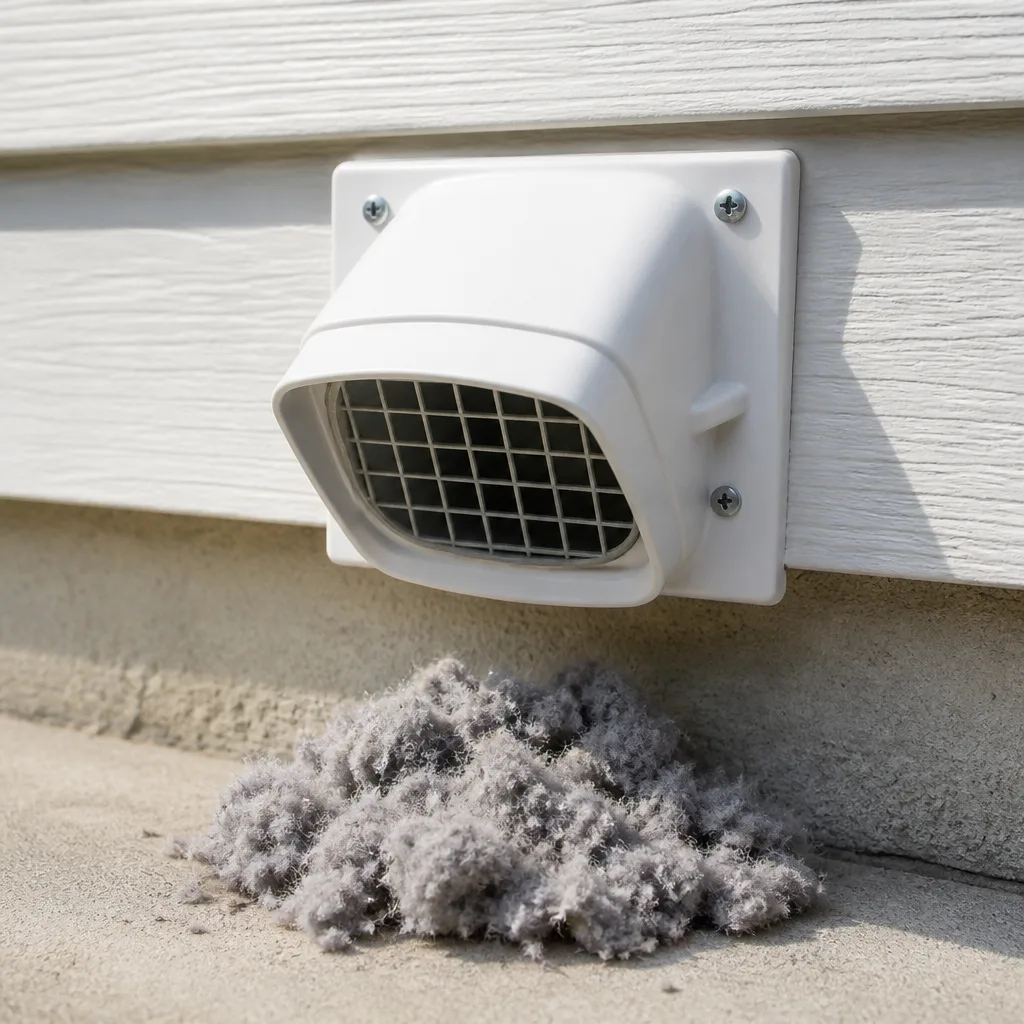 Dryer vent cleaning
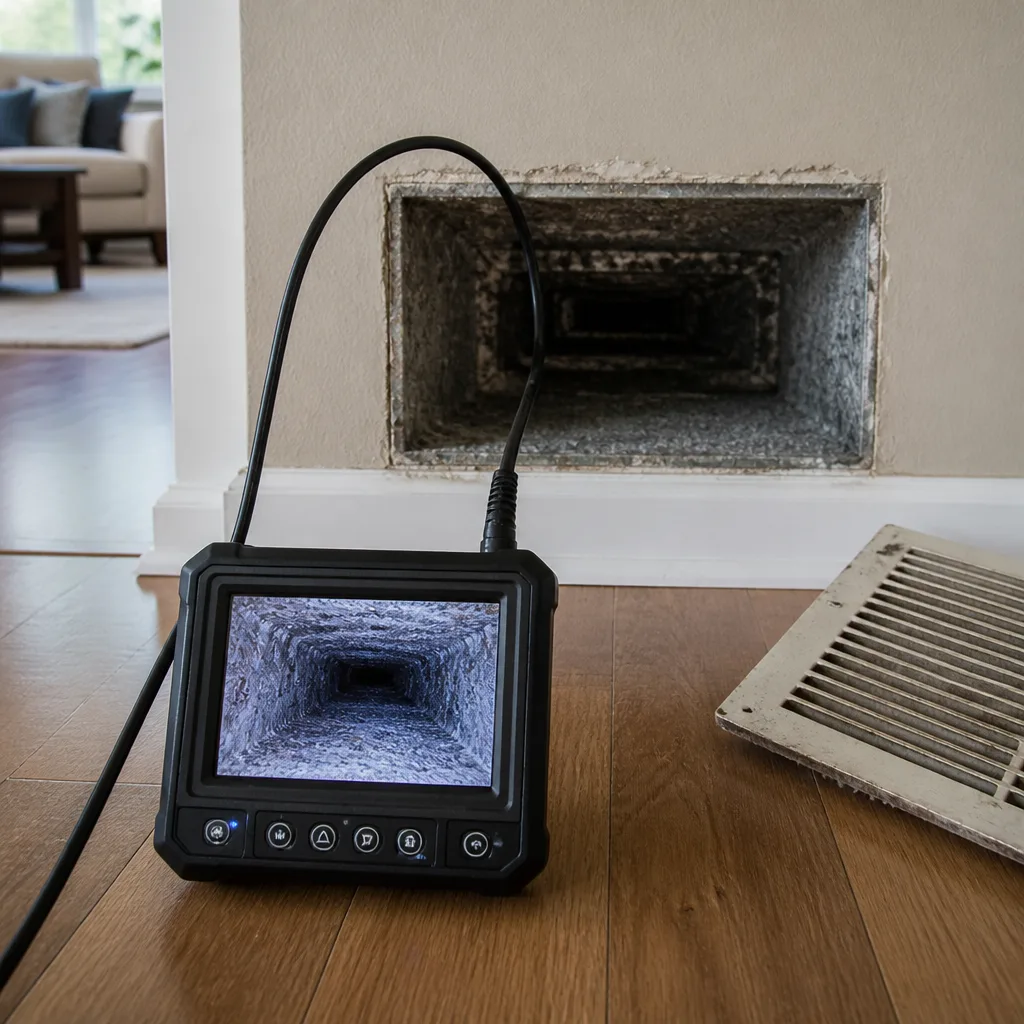 Camera inspection
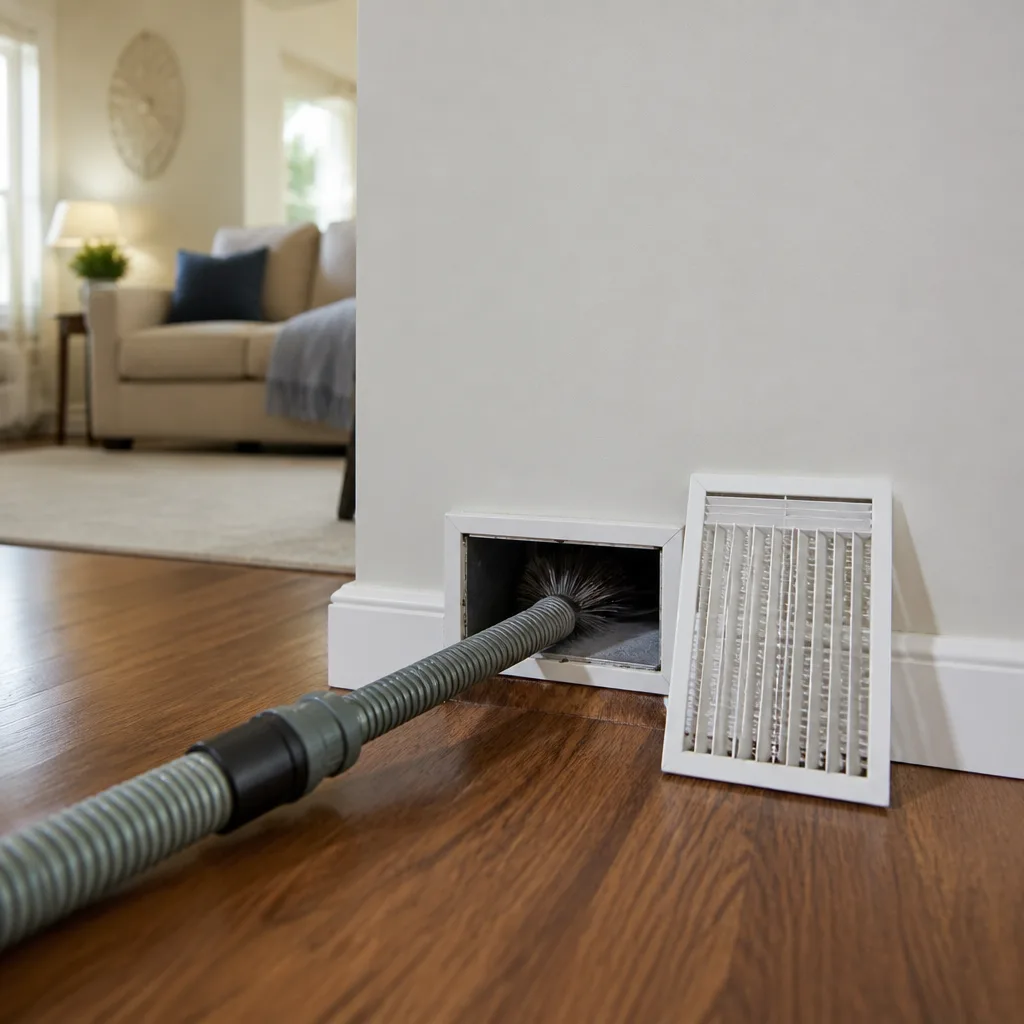 Sanitizing & deodorizing
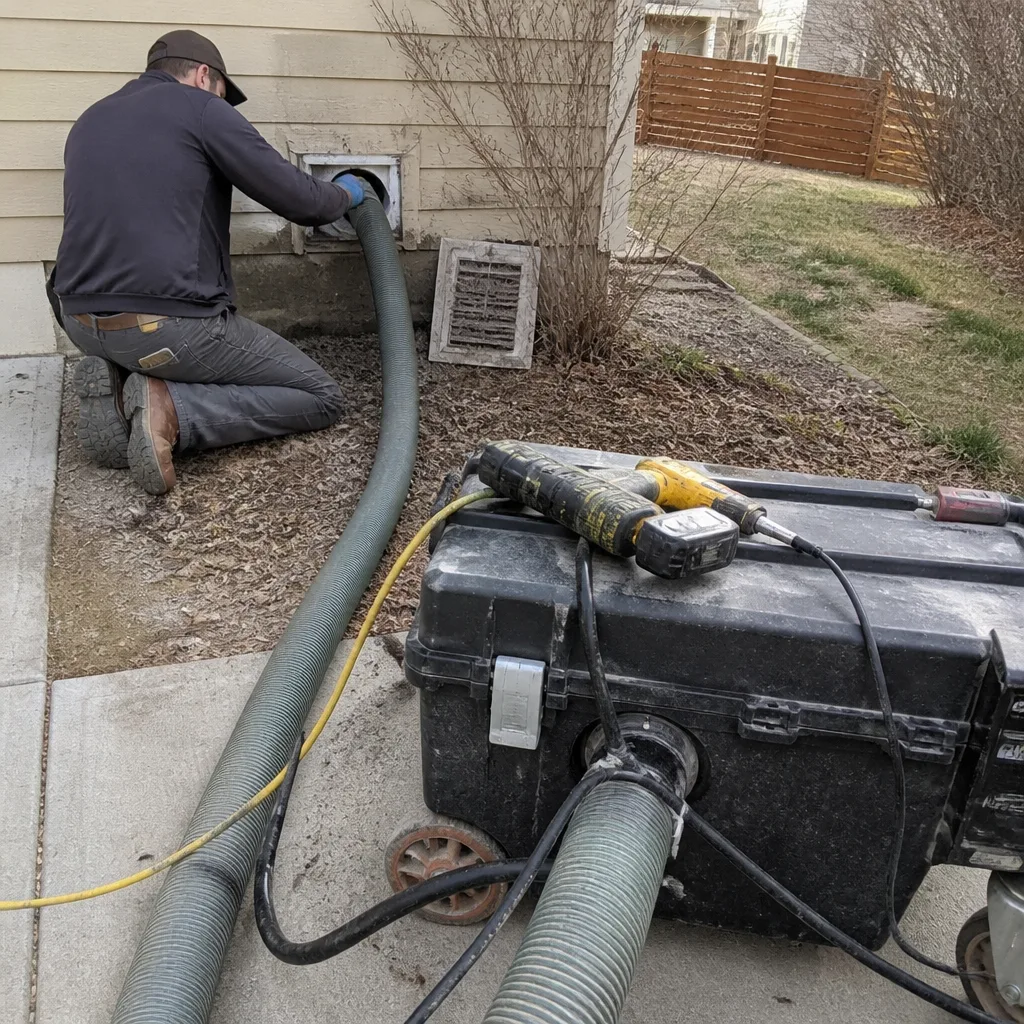
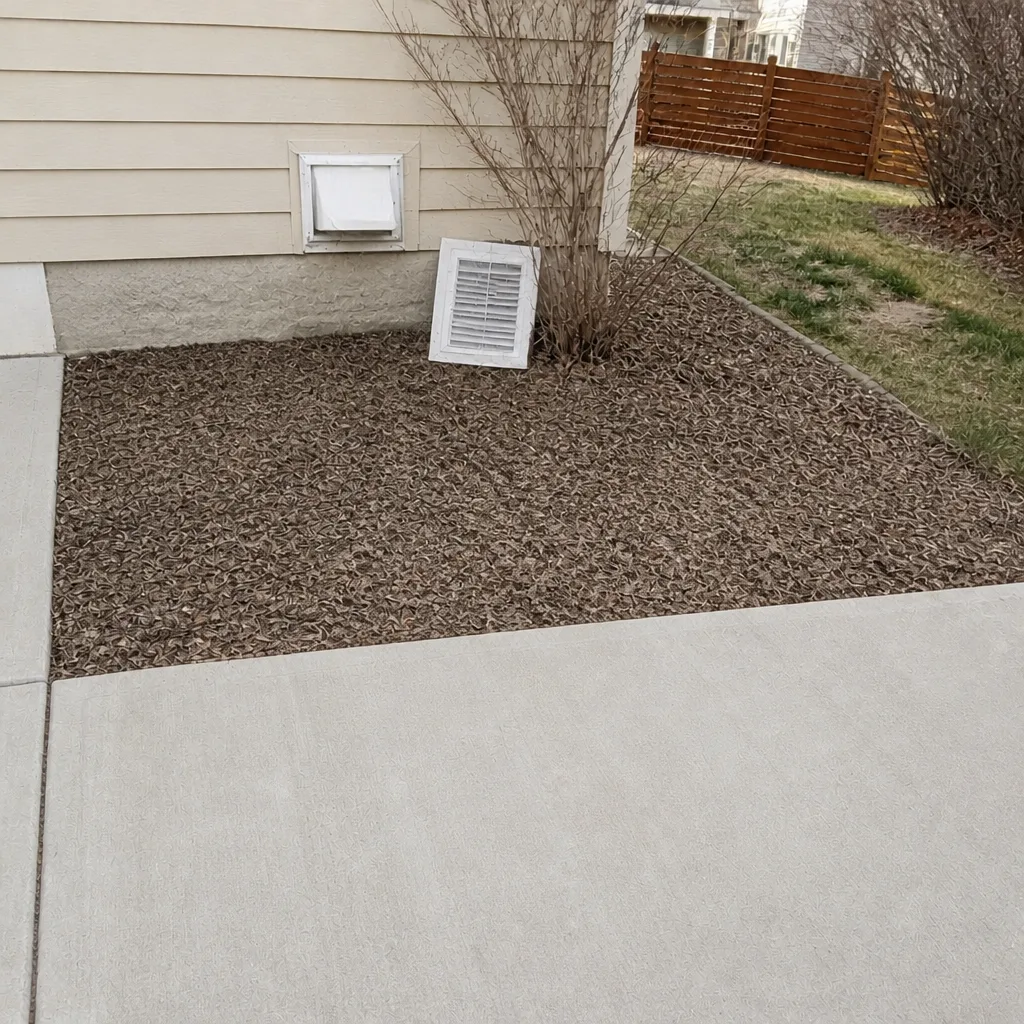
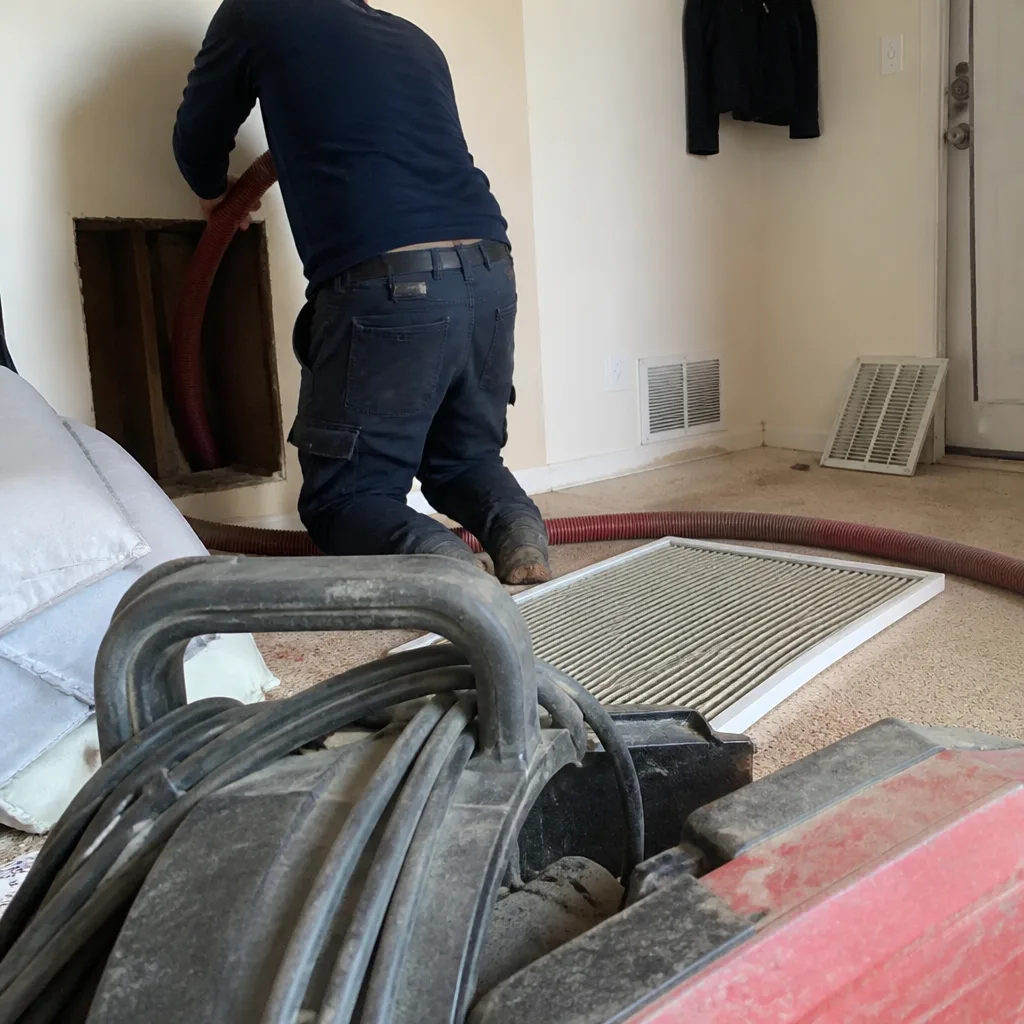
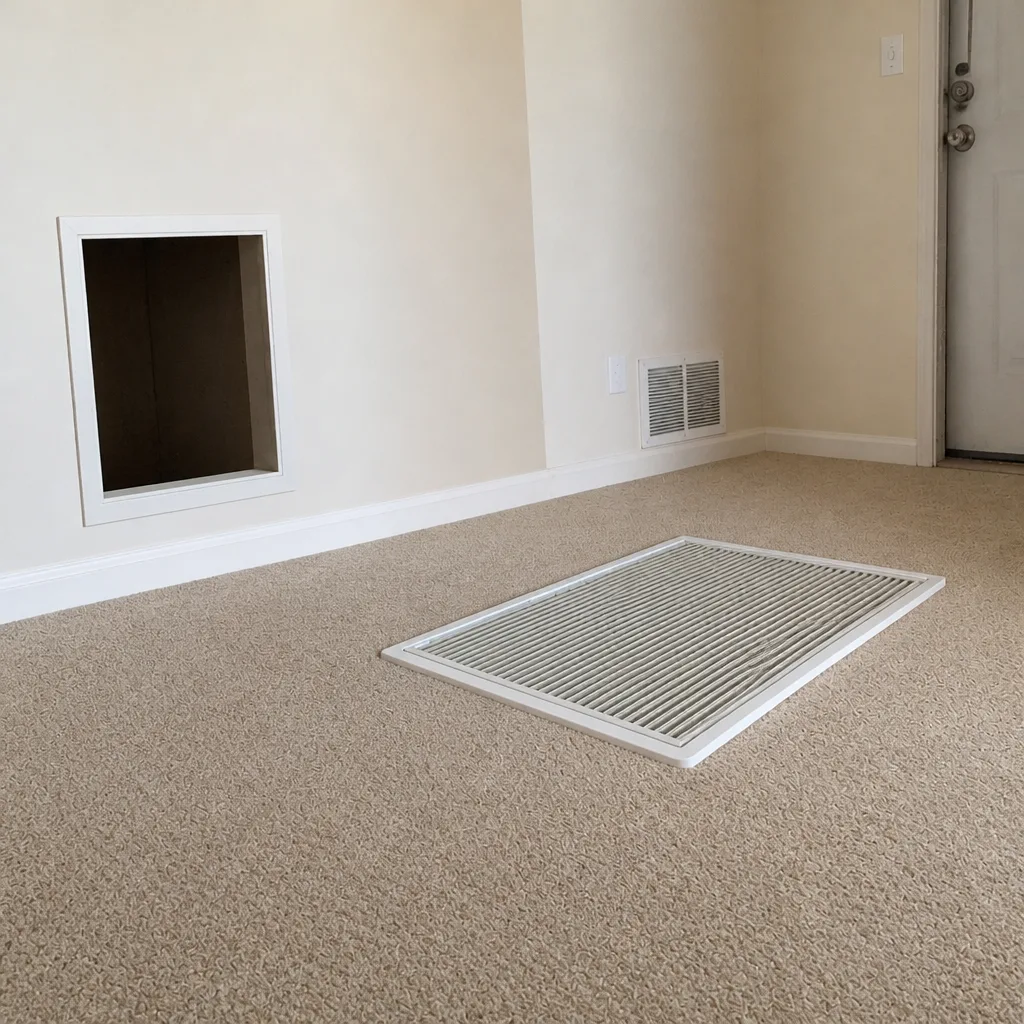
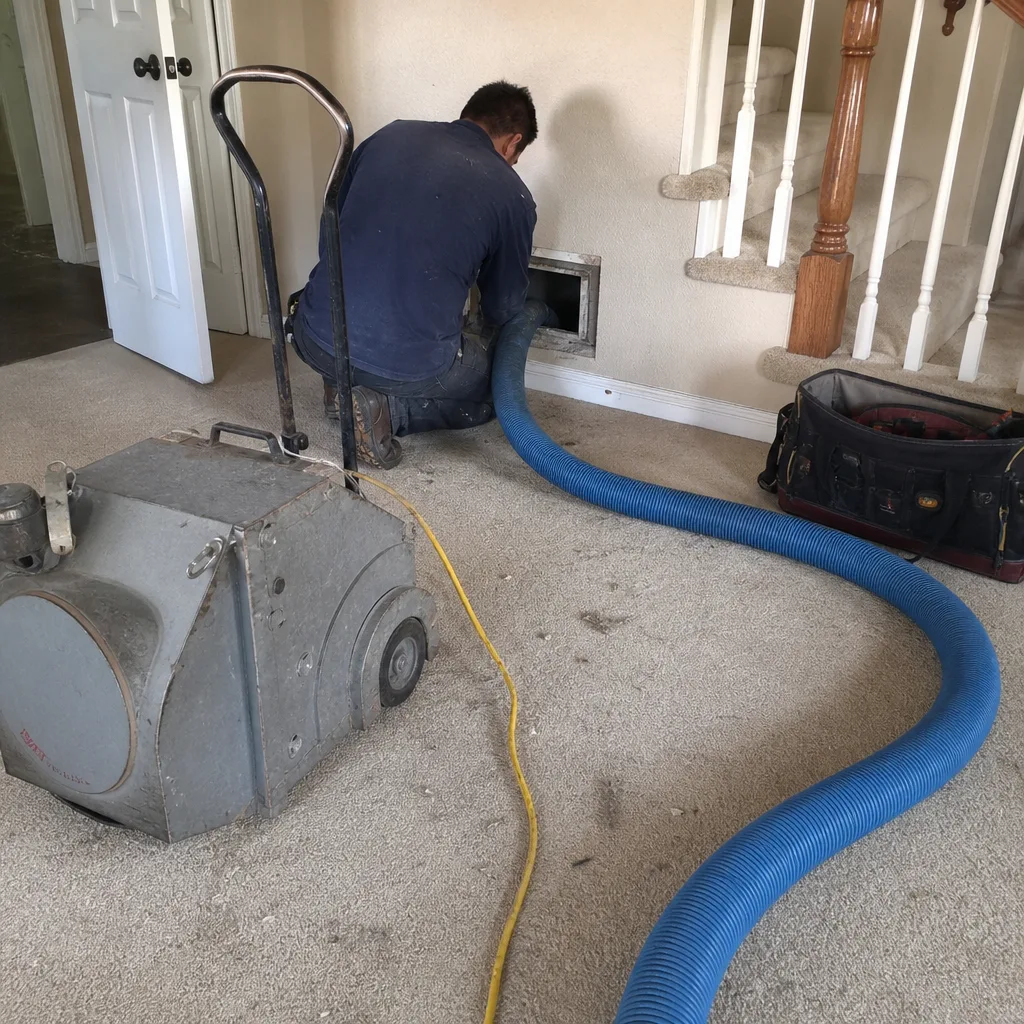
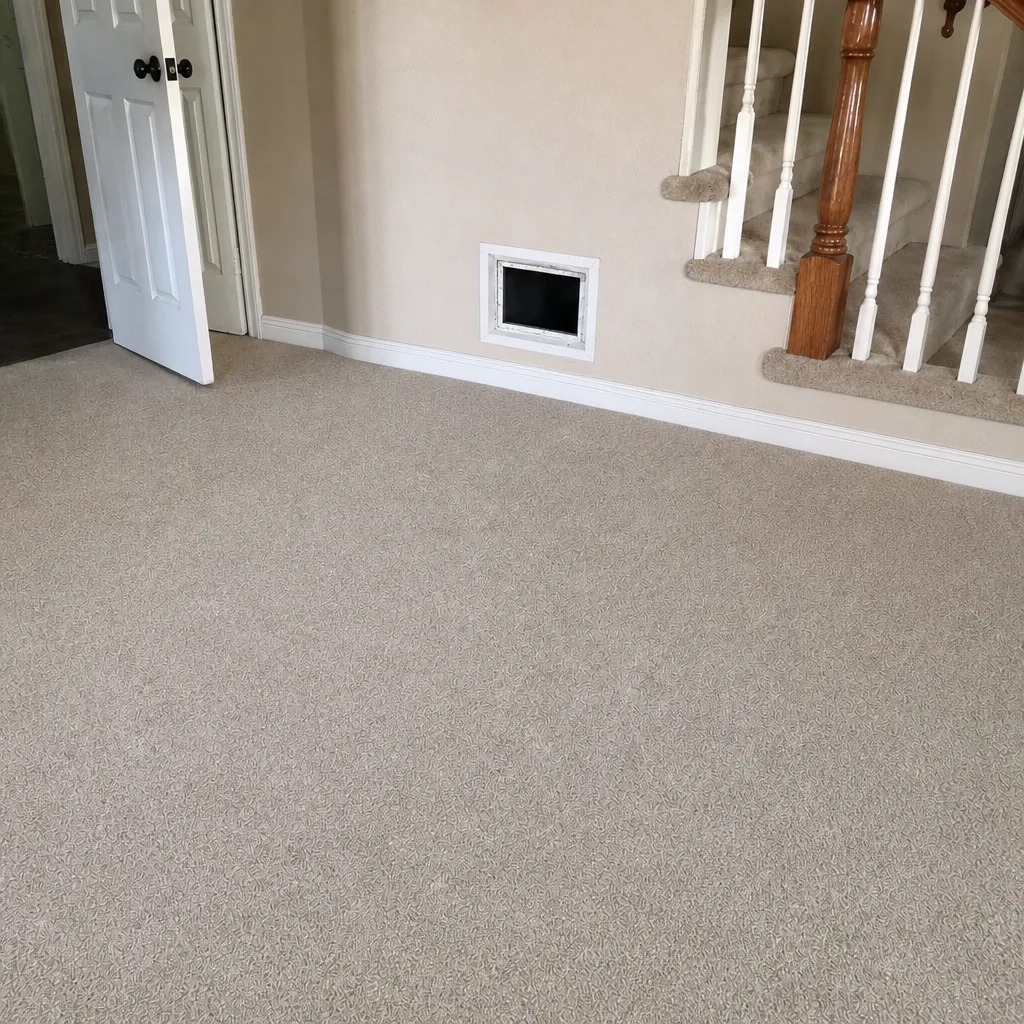
Whole-system duct and dryer vent check with before-and-after photos - you see exactly what came out of your vents
That "$99 whole-house special" is a bait ad - the real number appears once they are in your hallway, or the "clean" is a shop-vac at the register. We photograph the inside of your ducts before and after instead.
Seasonal Air Duct Cleaning Care for Westminster: Year-Round Homeowner’s Guide
Booking a duct cleaning in January because “it’s winter and the heat is running” is one of the least effective things you can do in Westminster. The heat coming on isn’t the problem. The problem is what already happened to your ductwork from June through October, and by January that debris has settled, dried, and baked onto surfaces where it’s harder to lift cleanly. Westminster doesn’t run on two seasons. It runs on four distinct stress cycles: a spring mud-and-pollen load, a summer wildfire smoke window, a dry static-heavy winter, and a narrow fall reset that most homeowners miss entirely. This guide walks the full 12-month calendar, tells you what to do in each window, and shows where professional service actually pays off versus where it doesn’t.
Quick Answer
The highest-value time to clean air ducts in Westminster is late September through October, when wildfire smoke season is closing and the furnace hasn’t yet started running full time. A second useful window lands in late April or early May, after the spring pollen peak settles and before cooling season begins. January is the wrong time: your ducts already took their biggest hit months earlier, and winter is when you want a clean system, not when you clean it.
Styles & brands we work with
- Whole-home duct cleaning
- Dryer vent cleaning
- Camera inspection
- Sanitizing & deodorizing
Table of Contents
- Why Timing Matters More Than Frequency in Westminster
- The Fall Window: Late September Through October
- The Spring Mud and Pollen Double-Load Problem
- Summer Wildfire Smoke: What to Do on Red Flag Days
- Dry Winters and Static-Charge Dust Adhesion
- When to Add a Whole-House Humidifier to the Scope
- The 12-Month Westminster Duct Care Calendar
- Common Mistakes to Avoid
- When to Call a Professional
- Frequently Asked Questions
- The Bottom Line
Why Timing Matters More Than Frequency in Westminster
Most duct cleaning advice treats the calendar as an afterthought. Clean every three to five years, the reasoning goes, and you’re covered. That works in places with stable, humid air and mild seasonal swings. Westminster isn’t one of those places.
Between April and October, the air moving into your home carries at least four different particulate types: spring clay dust kicked up from construction and lawn work, high Front Range pollen loads, summer smoke particulate from regional fires, and the ordinary household dust that always exists. Every one of those materials behaves differently once it’s inside a duct. Some of it lands as loose, dry debris that lifts easily. Some of it binds to moisture and forms a sticky layer. Some of it adheres to duct walls through static charge, and no amount of vacuuming removes it cleanly unless you address humidity at the same time.
A professional cleaning in October, when the system is loaded with the full season’s accumulation but the particles are still in a liftable state, is far more effective than the same cleaning in January, when dry winter air has cemented that debris in place. Effectiveness and cost track each other: the cleaner the lift, the faster the job and the better the result. From our side of the work, we’d rather clean a system once at the right time than twice at the wrong times.
That’s the core argument for seasonal thinking in Westminster. The climate gives you natural windows. Use them.
The Fall Window: Late September Through October
If you schedule only one professional cleaning in a given year, make it this one. Late September through October is the highest-value cleaning window in Westminster for three converging reasons.
First, wildfire smoke season is closing. By late September, the regional smoke events have largely tapered off, which means the system has already absorbed whatever particulate load the summer threw at it. Cleaning in October removes that accumulation before it has a chance to sit all winter. Clean in June and you’re cleaning before the smoke arrives.
Second, the furnace hasn’t yet baked a season’s worth of debris onto heat exchanger surfaces. Once heating season starts in earnest, ductwork near the furnace and the heat exchanger itself runs hot, and debris that was loose in October will be baked onto metal by December. That baked-on layer is harder to remove and reduces heat transfer efficiency. Cleaning before the furnace runs hard keeps surfaces in a state professional equipment can handle.
Third, contractor availability is better than spring. Spring is when everyone suddenly remembers their ducts exist. Fall is quieter. Scheduling the air duct cleaning in October means less pressure on the calendar and more time on the actual job.
What to do in Westminster during this window:
- Book a full-system cleaning in the last week of September or anytime in October.
- Ask for an inspection of duct seams and any accessible joints while the system is open.
- Replace the furnace filter at the end of the cleaning, not before.
- If you have a separate return grille filter, clean or replace it at the same time.
- Consider having the HVAC unit itself cleaned as part of the visit, since the coil and blower cabinet have been through a full summer of dust.
This is where we’d pair HVAC cleaning with the duct cleaning in a single visit if you haven’t had the unit serviced recently. One crew, start to finish, rather than two separate appointments.
The Spring Mud and Pollen Double-Load Problem
April and May in Westminster hit ductwork with two separate loads at once. The first is clay: local soils are heavy in clay content, which means the dust that gets tracked in, blown in, or drawn in through return air holds its shape and mass rather than dispersing like sandy soil would. Clay particles are small enough to pass a standard filter and heavy enough to settle deep in the return plenum. The second load is pollen. The high plains around Westminster carry a heavy spring pollen load across a relatively short window, and every cubic foot of air pulled into your return air system carries some of it.
The net effect: your filters load faster than they do in other parts of the year, and your duct surfaces see a spike in fine particulate that doesn’t fully clear when the spring ends. That’s why a late-April or early-May professional cleaning can make a real difference, but only after the pollen peak has passed. Cleaning in March means you clean, then the pollen arrives anyway.
During this window, make one specific change to your filter spec:
- Check your current filter’s MERV rating. If it’s under MERV 8, upgrade it before the spring peak.
- Move to a MERV 11 or MERV 13 filter for the spring months, provided your HVAC system’s blower can handle the higher static pressure without strain.
- Note the date you change it and recheck the filter after four weeks. If it’s visibly loaded, that tells you the system is working harder than usual, which is normal in spring but worth tracking.
- Return to your standard filter in June once the pollen peak clears.
If you’re already in the habit of cleaning your dryer vent cleaning once a year, spring is a reasonable time for that too, since lint buildup peaks through the heating months and the vent system sees more use in winter.
Summer Wildfire Smoke: What to Do on Red Flag Days
Westminster sits in the smoke path for regional wildfire events, and summer smoke is the single largest recurring airborne particulate source in this climate. The mistake homeowners make is leaving the HVAC system in its default mode during an active smoke event. The system’s job is to move air, and in default mode it moves air whether the outdoor air is clean or not.
What to do during a Red Flag Warning day or a visible smoke event:
- Close all windows before the smoke arrives. Don’t wait until you can smell it.
- Set the thermostat to FAN ON if your system supports continuous circulation, but only after making sure the outdoor intake (if the system has one) is closed or fully closed off. If the system draws 100% return air, FAN ON is fine.
- Do not run bathroom and kitchen exhaust fans during a smoke event unless you have to. They pull air out of the house and replace it with outdoor air through whatever gaps exist.
- Run a portable HEPA air cleaner in the main living area as a secondary measure.
- After the smoke clears, run the furnace fan for a couple of hours with windows closed and note whether the air smells clean. If a smoke smell persists inside the ducts after the event passes, the particulate has settled into the ductwork and cleaning is warranted.
The critical point about fire smoke: the fine particulate that enters your return air system during a smoke event doesn’t just pass through. It settles onto duct surfaces and the blower compartment. If you leave it there, it does two things. It gets re-entrained into the air on the next heating or cooling cycle, and it accumulates into a layer that eventually reduces airflow. That’s the mechanism that makes a fall cleaning more urgent than homeowners expect. During a smoke-heavy summer, a late September or early October cleaning isn’t just maintenance; it’s the point where the system gets the annual reset it actually needs.
Post-cleaning, the Air Quality & Sanitizing service can help: we apply Guardsman antimicrobial products to duct surfaces after cleaning, which addresses any residual organic material left behind by smoke particulate.
Dry Winters and Static-Charge Dust Adhesion
Westminster winters run dry: low indoor relative humidity, high static charge, and a dust profile that behaves differently than summertime dust. Dry dust particles pick up static charge easily against duct walls, especially galvanized steel, and static charge creates a bond that standard vacuum-only cleaning struggles to break. It’s the difference between wiping a dry counter and wiping a counter someone sprayed with adhesive. The particles are physically the same; the adhesion is completely different.
What this means in practice: if you clean ducts in January without addressing humidity, you’re likely to leave a residual layer of electrostatically bound dust on the walls. That layer is where the sense of “musty” or “dull” air comes from in a dry-home winter. The mechanical action of professional cleaning (a rotating brush against the duct wall) does break static adhesion, but it does so more effectively when the ambient humidity is above roughly 30%. In a Westminster January, indoor humidity often drops into the teens.
That’s why we don’t recommend winter as a primary cleaning window. The cleaning still works; it works harder, and you lose some of the lift that fall and spring give you for free.
If you have to clean in winter, whether because of a renovation, a move-in, or a visible dust problem, it’s still worth doing. What you don’t want to do is make winter cleaning the default.
When to Add a Whole-House Humidifier to the Scope
Wondering whether a whole-house humidifier is worth it? In Westminster, yes, more so than in most of the country, and the reason is the same dry-winter static problem described above. A whole-house humidifier tied into the HVAC system delivers two things that matter for indoor air quality: it reduces static charge on duct walls, and it keeps the dust profile more manageable through the winter.
Signs it’s time to add a humidifier to your scope:
- You see static shocks from touching metal or doorknobs in the home during winter. That’s a household-level humidity indicator, and if it’s happening at doorknob level, it’s happening inside your ductwork too.
- Wood floors or furniture show seasonal gaps or cracking in dry months. Humidity is low enough to affect materials. Your ducts are seeing the same condition.
- Family members report dry throat or nose irritation in the morning. This is a comfort issue more than an air quality one, but it points to indoor humidity you can fix.
- You clean your ducts and the “dull air” feeling comes back within two months. Static-charge dust is returning quickly because the humidity has dropped again.
We integrate Honeywell and Aprilaire whole-house humidifiers as part of the Air Quality & Sanitizing service, and we can pair that work with a duct cleaning visit so you’re getting one coordinated upgrade instead of three separate appointments. If you’ve never had a Humidity Assessment, that’s a reasonable starting point: it tells you what the actual target humidity should be for your home’s materials and layout before anyone installs anything.
The 12-Month Westminster Duct Care Calendar
Here’s the full year in one place, with homeowner actions and the two optimal professional service windows marked.
January through March
- Change filter every 60 to 90 days depending on load.
- Watch for static charge in the home. If doorknob shocks are frequent, humidity is low.
- Do not schedule primary professional cleaning in this window unless there’s a specific need like a renovation, new-home move-in, or a visible dust problem.
April through May: Secondary Service Window
- Change to a higher-MERV filter before the pollen peak (MERV 11 to 13 if the blower can handle it).
- Schedule professional cleaning for late April or early May, after pollen has peaked but before the cooling season starts.
- Have the HVAC unit inspected and cleaned at the same time if it wasn’t done in fall.
- Return to your standard filter in June.
June through August: Smoke Watch
- Prepare your indoor air strategy for Red Flag Warning days (windows closed, exhaust fans off, HEPA as backup).
- Change filters after any multi-day smoke event. Smoke particulate loads filters fast.
- Do not schedule primary cleaning in June or July unless you have a specific cause. Cleaning now means you clean before the smoke arrives.
September through October: Primary Service Window
- Book a full-system cleaning in late September or October. This is the single most valuable window of the year.
- Ask for inspection of duct seams and any accessible joints.
- If duct seams show separation or leakage, add Duct Repair & Sealing to the visit. This is the natural extension of an honest inspection, and it’s the fix for the air loss that surface cleaning alone doesn’t address.
- Replace filters after cleaning, not before.
November through December
- Change filter at the start of heating season.
- Check and clean return grilles and registers while the system is running consistently.
- This is the low-effort maintenance stretch. If you cleaned in October, you’re in good shape.
Common Mistakes to Avoid
- Cleaning in January because “the heat is running.” The heat has already been running for months by January. The cleaning is more effective in October before the furnace runs hard, when the debris is still liftable.
- Skipping the spring filter upgrade. A standard filter doesn’t catch the fine clay and pollen particles that spike in April and May. Moving to a higher-MERV filter during that window is one of the lowest-cost upgrades available.
- Running kitchen and bath exhaust fans during a smoke event. They pull smoky outdoor air into the home through every gap in the envelope. Close the windows, close the exhaust fans, and let the HVAC system work alone.
- Cleaning ducts in winter and expecting the same result as a fall cleaning. Cleaning still works in winter, but the static-charge adhesion problem means the lift is less complete, and the effect doesn’t last as long. Plan around it instead of fighting it.
- Ignoring duct leakage while doing a cleaning. A cleaning removes what’s inside the ducts. It doesn’t fix seams that leak 20% of your conditioned air into the attic. If you see separation during a cleaning, address it then, not next year.
- Cleaning without addressing the HVAC unit itself. The blower cabinet and coil hold a significant share of the dust that a duct cleaning removes from the branch runs. Cleaning the ducts without cleaning the unit leaves the source of a lot of the debris in place.
- Skipping post-cleaning sanitizing after a heavy smoke year. Residual organic material from smoke isn’t fully cleared by mechanical cleaning alone. A sanitizing step with Guardsman products is worth it after a bad summer.
When to Call a Professional
Not every seasonal cycle requires a professional visit. Here’s when it does in Westminster:
- Your furnace filter is loading within four weeks of a change, repeatedly.
- There’s a persistent musty or smoky smell that stays in the home after the outdoor air clears.
- You’ve had a renovation, moved into a new home, or had water damage that may have affected ductwork.
- You notice uneven airflow between rooms that didn’t exist before.
- You’re ready for the primary fall cleaning window and want it done properly.
We use Rotobrush rotary-brush systems and Nikro HEPA-rated vacuum equipment on every job. These aren’t consumer tools; they’re the equipment specified for this work. We also deploy Abatement Technologies air scrubbers and negative-air machines during cleaning to keep the dust we’re lifting from cross-contaminating the rest of the home. That’s the step a lot of low-bid operations skip.
Air Duct Cleaning Westminster Pros offers free estimates in Westminster. Call (855) 337-2019. We answer 24/7. Fast dispatch from 7am to 7pm, Sunday through Friday.
Frequently Asked Questions
Late September or October. Wildfire smoke season is closing, the furnace hasn’t baked debris onto heat exchanger surfaces yet, and contractor availability is better than in spring. If you can only clean once a year, this is the window. Call (855) 337-2019 for an exact quote on a fall cleaning.
Westminster duct cleaning typically runs in a whole-system range, priced per system by written estimate, not per vent. Ranges depend on the number of branch runs, the make-up of the system, and whether HVAC cleaning or duct sealing is included in the same visit. Call (855) 337-2019, and we’ll give you a free estimate before any work is scheduled.
The cheapest quotes almost always reflect the equipment and time behind them: consumer-grade vacuums, no rotary-brush mechanical action, no containment, and no inspection of the system afterward. A proper cleaning uses rotary-brush equipment and HEPA-rated vacuums, takes real time, and includes containment so you’re not blowing dust into the rest of the home. Our process uses Rotobrush and Nikro equipment and Abatement Technologies containment on every job. Call (855) 337-2019 if you want the difference explained.
You see it. A proper cleaning uses equipment the technician can show you, and a professional operation will show you before-and-after photos of your own ductwork, not stock video. We treat that as part of the job. Call (855) 337-2019 for an exact quote on a full-system cleaning in Westminster.
Every three to five years for most homes, but the right answer depends on your exposure. If you’re near a construction corridor, have had a smoke-heavy summer, or live with family members who are sensitive to dust and pollen, you’re closer to the three-year end. If you’ve had a light summer, five years is reasonable. The safest rule is to inspect in the fall and let what you find drive the decision. Call (855) 337-2019 to schedule an inspection.
No. Filters capture particles at the filter, not the duct wall. Dust that passes through settles on duct surfaces and stays there, and the strainer effect of a filter doesn’t clean what’s already accumulated. Filter discipline is the most important single thing you can do, but it doesn’t substitute for periodic full-system cleaning. Call (855) 337-2019 to find out what your system actually looks like.
The Bottom Line
Westminster’s four seasonal cycles each hit your ductwork differently: spring clay and pollen load, summer wildfire smoke, dry winter static, and the fall window that ties it all together. The highest-value time to clean is late September through October, and the second-best window is late April through early May. January is the wrong default. Filter upgrades in spring matter, smoke-day protocols matter, and humidity during winter matters because it determines how much dust sticks to your ducts in the first place. Handle those four things and a professional cleaning becomes a once-a-year event rather than a constant scramble.
Our team at Air Duct Cleaning Westminster Pros covers the full picture: Air Duct Cleaning Westminster Pros for the core system work, dryer vent work, HVAC cleaning, Duct Repair & Sealing, and Air Quality & Sanitizing with Honeywell, Aprilaire, and Guardsman products, all under one crew. Our technicians have up to 15 years of experience with the equipment that actually makes a difference in your home.
Call (855) 337-2019 for a free estimate. We answer 24/7. Fast dispatch from 7am to 7pm, Sunday through Friday.
Written by the team at Air Duct Cleaning Westminster Pros.
See the difference
 Before
 After
 Before
 After
 Before
 After