
Last updated November 23, 2026
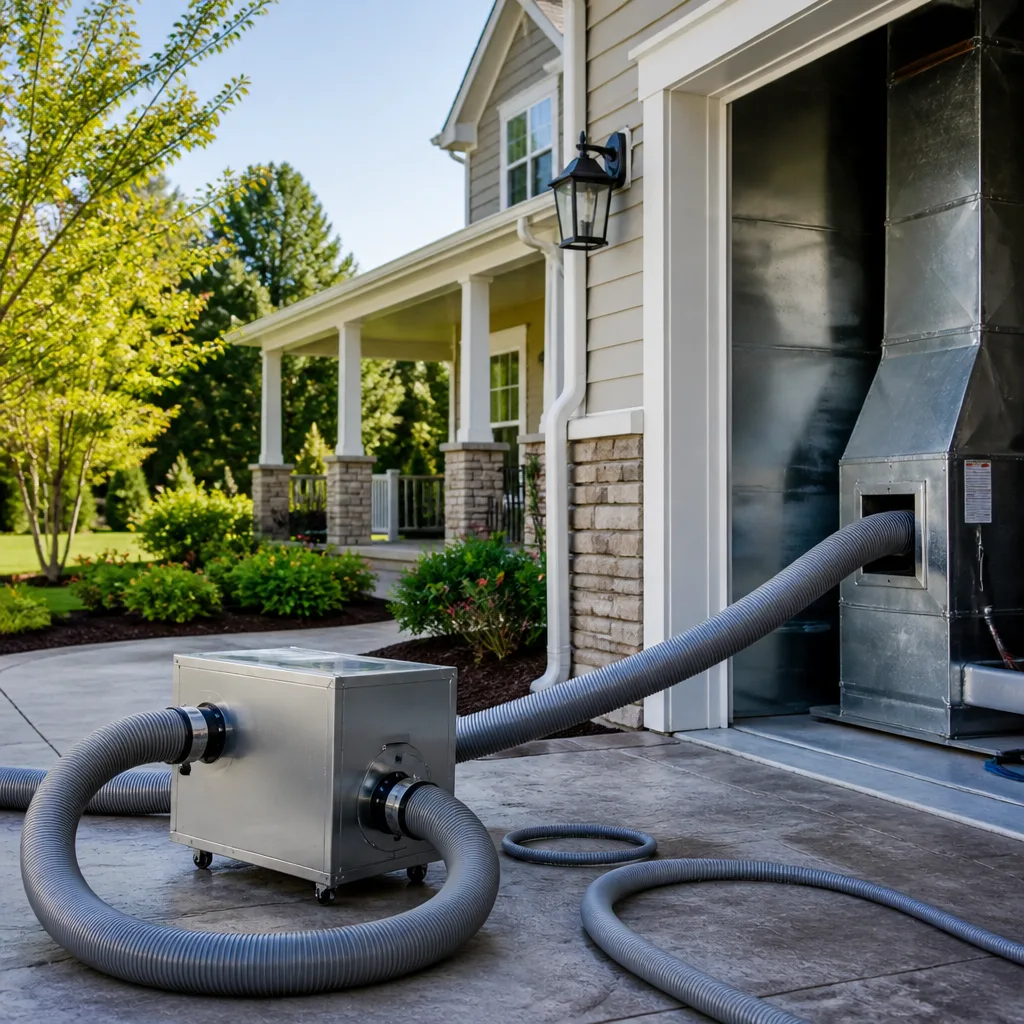 Whole-home duct cleaning
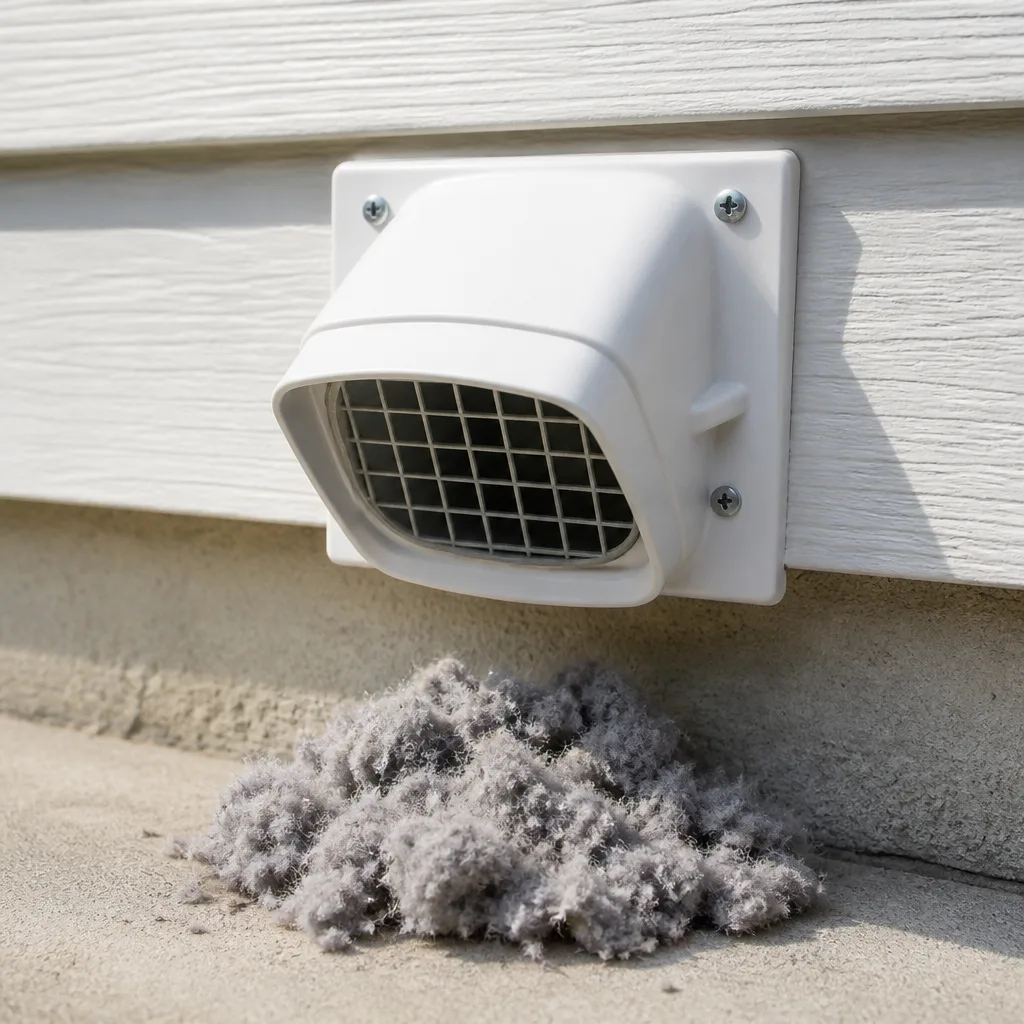 Dryer vent cleaning
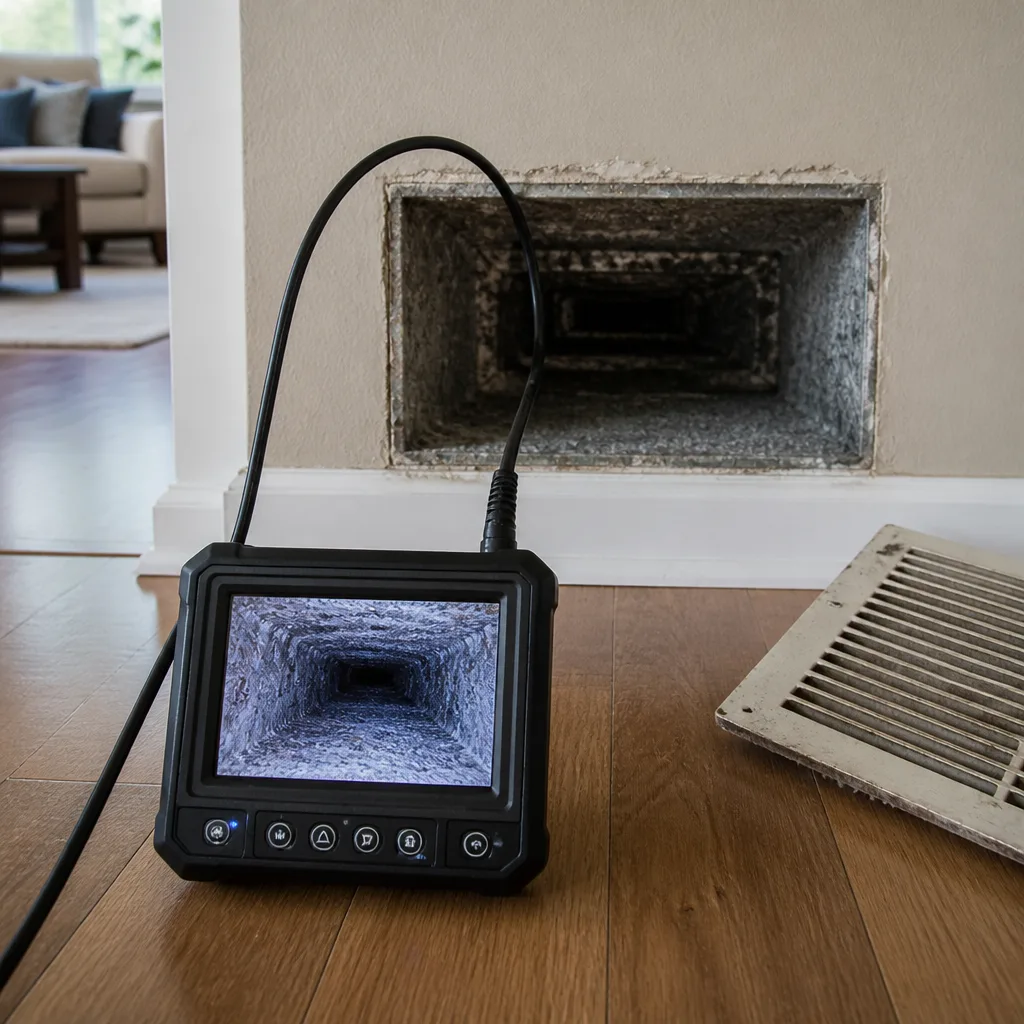 Camera inspection
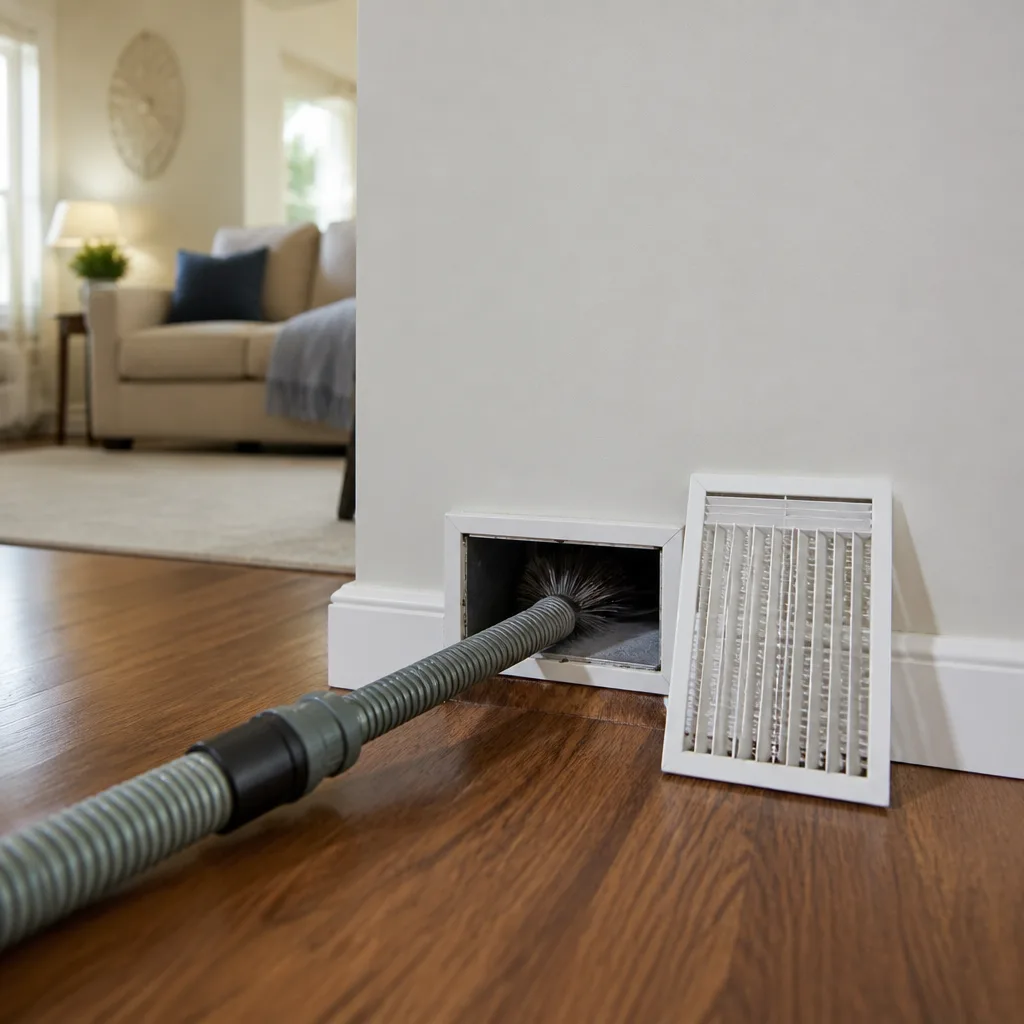 Sanitizing & deodorizing
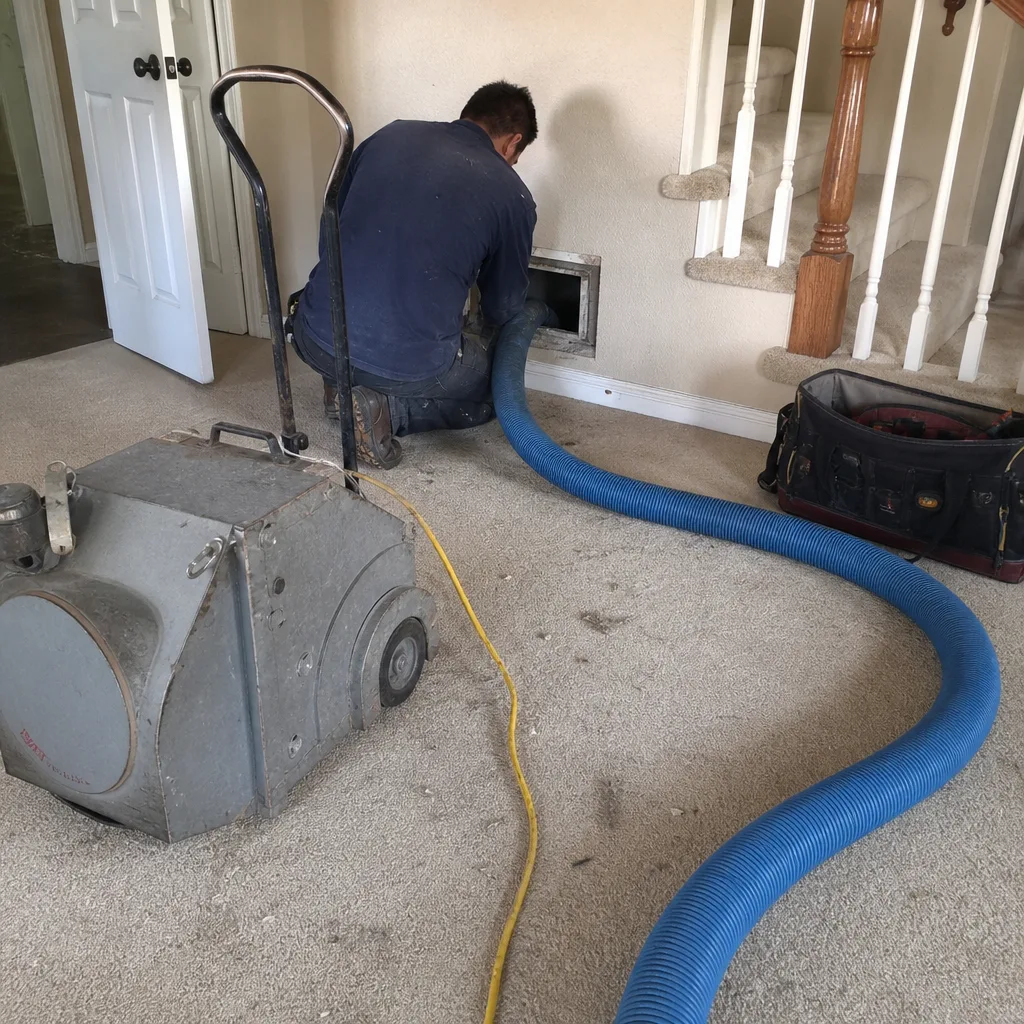
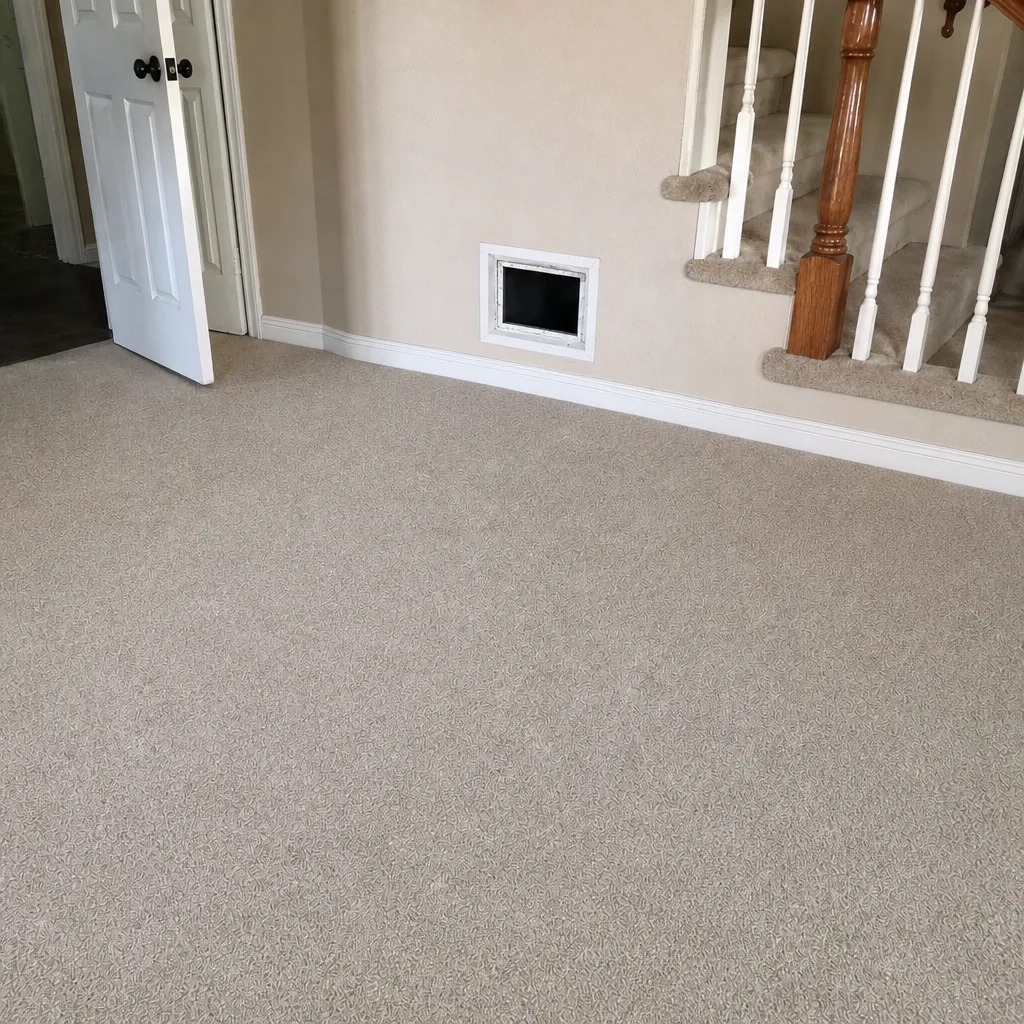
Whole-system duct and dryer vent check with before-and-after photos - you see exactly what came out of your vents
That "$99 whole-house special" is a bait ad - the real number appears once they are in your hallway, or the "clean" is a shop-vac at the register. We photograph the inside of your ducts before and after instead.
DIY vs Professional Air Duct Cleaning: The Westminster Homeowner’s Decision Guide
A shop vac generates roughly 100 CFM of suction. The equipment a professional duct cleaning crew brings into your home generates 2,000-4,000 CFM, and it does it with negative pressure maintained across the whole system rather than at a single register face. That gap is the reason DIY duct cleaning can feel productive for an hour and still move the actual contamination problem exactly zero inches. In this guide, we’ll explain the physics of what’s happening inside your ducts, break down which parts of the job a Westminster homeowner can genuinely handle, and give you a clear decision framework for when to call in equipment you can’t replicate with a rented blower.
Styles & brands we work with
- Whole-home duct cleaning
- Dryer vent cleaning
- Camera inspection
- Sanitizing & deodorizing
Quick Answer
For most Westminster homes, DIY air duct cleaning is worth doing only at the surface: registers, return grilles, filter upgrades, and the dryer vent. Anything deeper – the trunk line, branch runs, and boot interiors where debris actually settles – needs sustained high-CFM negative pressure that consumer equipment can’t produce. If you suspect mold or heavy construction dust in the system, stop and have it tested before either approach, because a weak DIY attempt aerosolizes spores and drywall fines without removing them.
Table of Contents
- Why DIY Duct Cleaning Fails on the Physics, Not the Effort
- What You Can Genuinely Do Yourself
- The Mold Scenario: Why Weak Suction Makes It Worse
- Westminster’s Construction Dust Problem
- The Decision Framework: Three Scenarios, Two Rules, One Stop Sign
- What Professional Equipment Actually Does
- What It Costs and How to Compare Quotes
- Common Mistakes to Avoid
- When to Call a Professional
- Frequently Asked Questions
Why DIY Duct Cleaning Fails on the Physics, Not the Effort
A duct system isn’t a straight pipe. It’s a tree of trunk lines, branch runs, elbows, boot transitions, and long stretches of flex duct that gather dust at every change in direction. The debris that matters – the fine particulate that carries allergens and the clumped material sitting in mid-run flex – settles where airflow slows. Reaching it takes more than a nozzle at the register.
Here’s the actual problem. A homeowner’s shop vac or rented blower pulls air from a short distance and drops off sharply once it hits resistance. The moment suction meets a 90-degree elbow or a 15-foot flex run, the pressure collapses. What you get is surface cleaning at the opening and nothing at the far end. Debris dislodges near the register and then settles back into the same branch line – often pushed a few feet deeper.
Professional equipment solves this two ways:
- Air volume (CFM): The negative-air machines and HEPA-rated vacuums specified by the industry can hold 2,000-4,000 CFM across an entire system, so branch lines actually lose pressure at the far end.
- Mechanical agitation: A rotary brush on a flexible whip actively scrubs the duct wall while the vacuum captures what’s loosened. Suction alone, at any CFM, doesn’t move caked-on material. The brush breaks it loose; the vacuum carries it out.
That combination is what Rotobrush rotary systems and Nikro HEPA equipment are built for. In our experience, homeowners who try to DIY this spend a whole afternoon and end up with cleaner registers and dirtier branch runs. If you want a deeper walkthrough of what a proper system cleaning actually involves, that’s covered on our air duct cleaning page.
What You Can Genuinely Do Yourself
This is where we part ways with the vendors who tell you never to touch your own ducts. Plenty of maintenance is legitimate DIY work, and doing it reduces how often a full professional cleaning is needed. Here’s a fair breakdown of what a Westminster homeowner can handle and what it actually accomplishes.
- Register and grille cleaning: Remove each supply and return cover, wash it in warm soapy water, and dry it fully before reinstalling. This removes dust buildup on the visible face and stops it from shedding into the airstream. Real impact: modest but regular, and it protects your filter from recontamination.
- Filter upgrades: Swapping a cheap fiberglass filter for a pleated filter rated for your system’s airflow is the single highest-value thing most homeowners can do. Check your air handler’s filter slot monthly during heating and cooling season. Real impact: substantial, if the filter is correctly sized and rated for the system’s static pressure.
- Boot inspection: A flashlight and a careful look inside the register boot (the transition between the wall or floor and the ductwork) will tell you whether dust is light surface film or dark, clumped material. If it’s the former, a vacuum with a crevice tool will help. Real impact: diagnostic mostly. It tells you whether to schedule a full cleaning.
- Return grille vacuuming: A HEPA shop vac with a brush attachment can pull the loose dust off a return grille before it enters the system. Real impact: useful between cleanings, especially during remodel season.
- Dryer vent maintenance: Clearing lint from the flexible connector at the back of the dryer and checking that the exterior flap opens freely is real DIY work with a real safety payoff. Our dryer vent cleaning page covers what a full cleaning adds when the run is long or the vent line is packed.
What none of these does is clean the interior of the duct run. They keep the entry points honest and stop ongoing recontamination. That’s a real contribution. It’s just not the same job a truck-mounted or high-CFM portable system does.
The Mold Scenario: Why Weak Suction Makes It Worse
If you suspect mold inside your ductwork, do not attempt a DIY cleaning. That’s not a caution we hand out lightly – it comes down to how mold behaves when it’s disturbed. Mold colonies inside a duct grow because of moisture, often from condensation on a cool duct surface during a Westminster summer or from a slow leak near the air handler. The spores are small enough to stay airborne for hours once disrupted.
What a weak-vacuum DIY attempt does is break the colony apart and spread spores through the system and into the living space without capturing them. You end up with the same contamination plus an amplification event. A shop vac with a low-efficiency bag only captures the larger particles. The fine fraction passes through and drifts straight into the room.
Professional remediation uses containment and filtration that a homeowner can’t replicate:
- Negative-air containment: Abatement Technologies air scrubbers and negative-air machines are set up to hold the work area under negative pressure, so any airborne spores move toward the filtration equipment rather than into the home.
- HEPA capture: Nikro HEPA-rated vacuums trap particles at a level that standard bags and shop vacs cannot.
- Mechanical scrubbing: A Rotobrush rotary brush removes the colony from the duct wall, not just the surface dust around it.
- Post-cleaning treatment: Antimicrobial products such as Guardsman are applied to the cleaned surface to help prevent regrowth while the underlying moisture problem is addressed.
Testing comes first. If a mold assessment confirms active growth, that testing needs to happen before either cleaning or treating the system. Cleaning a mold problem without fixing the moisture source just resets the clock. If you’re seeing visible growth or smelling musty air near any register, start with a call and let a professional scope it.
Westminster’s Construction Dust Problem
Westminster has been one of the busiest construction markets along the Front Range, and that shows up in the ducts of newer and recently renovated homes. Drywall dust from a build-out or remodel is fine enough that it passes most consumer filters and coats the interior surfaces of branch lines. Because it doesn’t clump the way ordinary household dust does, it doesn’t look dramatic when you shine a light into a register. It just sits there, waiting for airflow.
This is where a DIY attempt actively backfires. Drywall fines are light. A shop vac at the register face lifts them and blows them a few feet deeper into the branch run, into the boot transitions, and into the plenum, where the concentration grows and the air handler keeps pulling them through the return. Over time that coat of dust binds to any condensed moisture and becomes a surface that supports microbial growth. In other words, the wrong kind of cleaning can create the exact condition you were trying to prevent.
The Front Range climate adds a wrinkle. Westminster homes run the furnace for five or six months of the year, and the dry winter air means static clings to fine dust inside duct walls. That’s actually helpful for a proper vacuum system, which will pull the material out once it’s dislodged. It’s not helpful for a shop vac that never reaches the surface. If your home was built or substantially remodeled in the last few years, ask whether the ducts were cleaned after final construction. If nobody can confirm it, that alone is a reason to book a professional job.
The Decision Framework: Three Scenarios, Two Rules, One Stop Sign
Here’s the framework we use when people ask us whether to DIY or hire out. It’s not meant to be a sales tool – a lot of Westminster homeowners fall into the DIY-maintenance bucket, and that’s the honest answer.
Three scenarios where DIY maintenance is genuinely useful
- Visible, light dust on registers and grilles, no whole-home symptoms. You notice dust on the covers but not musty air, not uneven airflow, not allergy flare-ups. Clean the covers, change the filter, and check again in a few months.
- Post-remodel surface dust, ducts already professionally cleaned. If your contractor cleaned up and the ducts were done at the end of the job, DIY register cleaning keeps the surfaces tidy without needing a second service visit.
- Dryer vent lint maintenance. Clearing the flex connector at the dryer and checking for external flap obstruction is safe, useful DIY work that supports safe dryer operation.
Two scenarios where only professional equipment accomplishes anything
- Whole-system debris after a remodel or new construction. Drywall fines and construction dust in branch lines and the plenum need high-CFM negative pressure plus rotary agitation.
- Uneven airflow, rising energy bills, or visible buildup in branch runs. These point to actual restriction in the ductwork, and a shop vac cannot remove it.
The one scenario where you should not attempt either without testing first
Confirmed or suspected contamination – especially mold, pest activity, or a smell you can’t place. Testing comes before cleaning. That’s not a DIY-versus-pro question. That’s a stop sign until you know what’s in there.
If you’ve been noticing systems issues across the whole HVAC stack – not just the ducts – the broader picture is covered under HVAC cleaning, which includes the coil and air handler surfaces that recirculate air into the ducts at the source.
What Professional Equipment Actually Does
The equipment is the whole story of why professional cleaning works. Here’s what comes into the house and what each part does.
- Rotobrush rotary brush system: A flexible whip with a spinning brush head travels through the duct run, scrubbing the interior wall while a connected vacuum captures what it loosens. It’s the standard for mechanical duct cleaning because it addresses the biofilm and caked dust that suction alone can’t budge.
- Nikro HEPA-rated vacuum and pressure equipment: Applies consistent negative pressure across the system and traps the fine fraction that carries allergens. The HEPA filter is the difference between removing debris and just stirring it up indoors.
- Abatement Technologies air scrubbers and negative-air machines: Set up during the job to hold the work area under containment and filter the air that passes through. This is the step a lot of low-bid operators skip entirely, and it’s the one that determines how much of what gets disturbed ends up in the room.
- Honeywell and Aprilaire filtration integration: If your home could benefit from a better filtration setup at the air handler, the duct cleaning is the right time to add it – the system is already open and the technician can see how the whole airflow path performs.
- Guardsman antimicrobial products: Applied after cleaning during the sanitizing step to leave the duct surface with ongoing protection.
One crew brings all of it, start to finish. That matters if the inspection turns up a loose joint, a torn flex section, or a boot gasket that’s failed – Duct Repair & Sealing is part of the same visit rather than a separate vendor contact. We repair what we find. Full service details are on our Air Duct Cleaning Westminster Pros page.
What It Costs and How to Compare Quotes
Duct cleaning pricing in the Westminster market is notoriously broad, and that’s because what’s being quoted isn’t the same thing. A coupon-van quote for a few hundred dollars often means a technician with a shop vac, no containment equipment, and no rotary brush. A quote that reflects real equipment and time will land higher. Neither one is a fair comparison at face value.
Here’s the honest way to compare estimates.
- Ask what equipment is used. If the answer isn’t a specific rotary brush system plus HEPA-rated vacuum plus containment, the quote doesn’t reflect the work you need.
- Ask whether containment is standard. Any quote that doesn’t include negative-air containment during the job is cutting a step that protects your indoor air.
- Ask whether the price covers the entire system or per register. Whole-system pricing is what an honest quote does. Per-register pricing almost always undersizes the job.
- Ask for before and after photos of your own ducts. Not stock images. Photos of the actual ducts in your home.
- Get a written estimate that sets the price per job. Not a range “pending what we find.” One flat price per system, agreed before work starts.
We quote per job, based on the system and the actual scope. The written estimate sets the final price. If a technician finds an issue mid-job that could change the scope – a major damaged run, an inaccessible section – you’ll be told before anything beyond the written estimate is done. Call (855) 337-2019 for a free estimate and we’ll walk through what your home needs.
Common Mistakes to Avoid
- Vacuuming only at the register face and calling it done. This reaches the surface and pushes the rest a little deeper into the branch run. The duct interior doesn’t notice.
- Using a leaf blower or shop vac in reverse. The “positive pressure” method is worse than doing nothing in most Westminster homes because it aerosolizes drywall fines and dust out of the system into the living space. Skip it entirely.
- Cleaning ducts during or immediately after a remodel. Wait until the construction dust has settled – literally – and the job is fully drywalled. Otherwise you’re cleaning a system that will be recontaminated by the following day’s sanding.
- Skipping filter replacement after DIY register cleaning. All the dust you dislodged ends up downstream of the filter slot. Change the filter the same day, or you just recycled the load back into the air handler.
- Treating a musty smell with air fresheners or plug-ins. That masks the symptom the entire investigation needs. A smell coming from a register points to moisture or microbial growth inside the system, and testing needs to happen before anything else.
- Hiring on price alone without asking about equipment. The gap between a low quote and a complete one is almost always the containment equipment and rotary brush. If you can’t identify what tools show up, you can’t compare quotes.
- Skipping the dryer vent because it’s “just the duct.” Dryer vent lint accumulation is a fire risk, and it’s a separate job from air duct cleaning. It’s also the one part of the system where a homeowner’s DIY maintenance genuinely matters in between professional cleanings.
When to Call a Professional
If any of these describe your situation, skip the DIY phase and get it looked at properly:
- Visible dust buildup inside more than one register boot, especially dark or fibrous material
- Uneven airflow between rooms, or rooms that never heat or cool like they used to
- Allergy or asthma symptoms that flare indoors and improve when you’re away
- A musty smell near a return or supply register
- A home built or substantially remodeled recently where post-construction duct cleaning can’t be confirmed
- Pest activity – droppings, nesting material, or insects inside the ducts
Air Duct Cleaning Westminster Pros offers free estimates in Westminster – call (855) 337-2019. We answer 24/7, with fast dispatch from 7am to 7pm, Sunday through Friday. The local pro we connect you with is licensed and insured as their state requires, and every quote is one flat price for the system, agreed before work starts.
Frequently Asked Questions
Most Westminster homes land somewhere in the low hundreds to several hundred dollars for a whole-system cleaning, and the range is wide because equipment and scope vary enormously between providers. A quote near the bottom of that range usually means no rotary brush, no HEPA containment, and register-only work. Call (855) 337-2019 for an exact quote – estimates are free.
Because they’re quoting different work. Low quotes typically exclude mechanical agitation (the rotary brush), containment equipment (the negative-air machine), and HEPA-rated vacuum, which together are the majority of the actual cost of doing it right. Sometimes they also quote per-register pricing that stops short of the whole system. If two quotes are far apart, ask each what equipment shows up and whether containment is included – the answer closes most of the gap. Call (855) 337-2019 for an honest walkthrough of what a full job involves.
Ask for before and after photos of your own ducts, taken at the same register from the same angle. A proper professional documents the job. You should also see containment equipment set up when the crew arrives and a rotary brush actually going into a register. If none of that shows up, the job wasn’t completed as quoted. Call (855) 337-2019 for a free estimate and we’ll tell you upfront what documentation you’ll get.
Every three to five years for a typical Westminster home, and less often for a home with no pets, no recent remodeling, and a clean filter routine. Homes with pets, recent construction, allergy sufferers, or heavy furnace-season use lean toward the shorter end. It’s less about the calendar and more about what the system is doing – uneven airflow, musty smells, and rising energy bills are the real triggers. Call (855) 337-2019 if you’re unsure where you fall.
You can clean the accessible surfaces – registers, grilles, boot openings with a flashlight and crevice tool, and the dryer vent connector. You cannot clean the interior of the branch runs or trunk line without equipment that generates sustained high-CFM negative pressure. The physics won’t allow it. Doing the surface work yourself is worthwhile; it just isn’t the same job as a full cleaning. Call (855) 337-2019 for an honest assessment if you’re not sure which category your home is in.
Cleaning removes physical debris – dust, drywall fines, and biological material – from the duct interior. Sanitizing applies antimicrobial treatment to the surfaces after cleaning, which is where Guardsman products come in. Sanitizing a dirty duct without cleaning first is a waste of money and, if mold is present, actively counterproductive because it seals contamination in place. Professional jobs sequence both properly. Call (855) 337-2019 for a free estimate that clarifies what your home actually needs.
The Bottom Line
DIY air duct cleaning is a real thing, but it’s a maintenance job – registers, grilles, filters, dryer vent – not a system cleaning. The interior of your ducts needs sustained high-CFM negative pressure with mechanical agitation to actually lose its debris. Westminster’s construction boom makes the stakes higher, because the drywall fines sitting in many homes’ ducts behave badly when disturbed by weak suction. If your system is lightly dusty and symptom-free, do the DIY maintenance and check back in a few months. If you’ve got whole-home symptoms, remodeling dust, or a musty smell, schedule a professional job and ask specifically about rotary brush equipment, HEPA vacuum, and containment. Our technicians have up to 15 years of experience, and we bring the full equipment set – from dirty ducts to sealed, sanitized systems.
Call (855) 337-2019 for a free estimate. We answer 24/7. Fast dispatch from 7am to 7pm, Sunday through Friday. One flat price per system, agreed before work starts, with before and after photos of your own ducts.
Written by the team at Air Duct Cleaning Westminster Pros.
See the difference
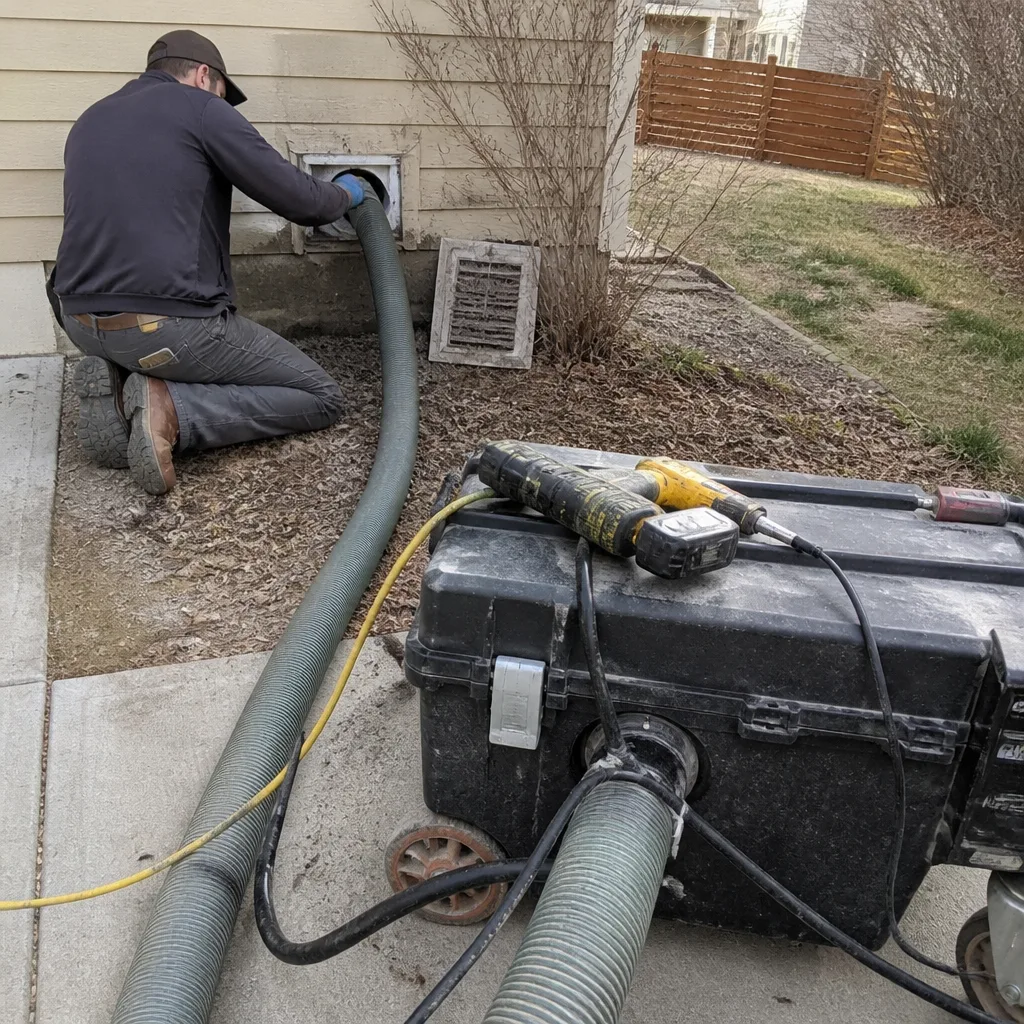 Before
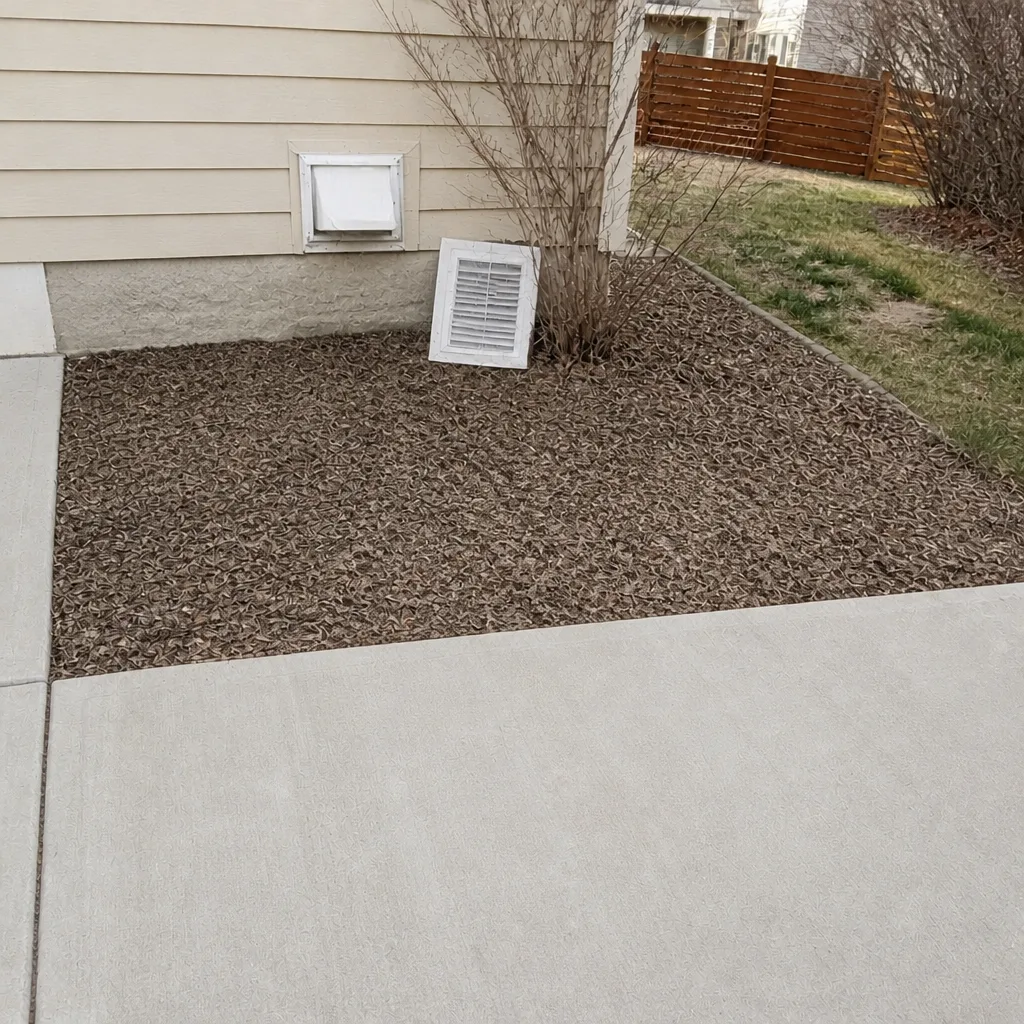 After
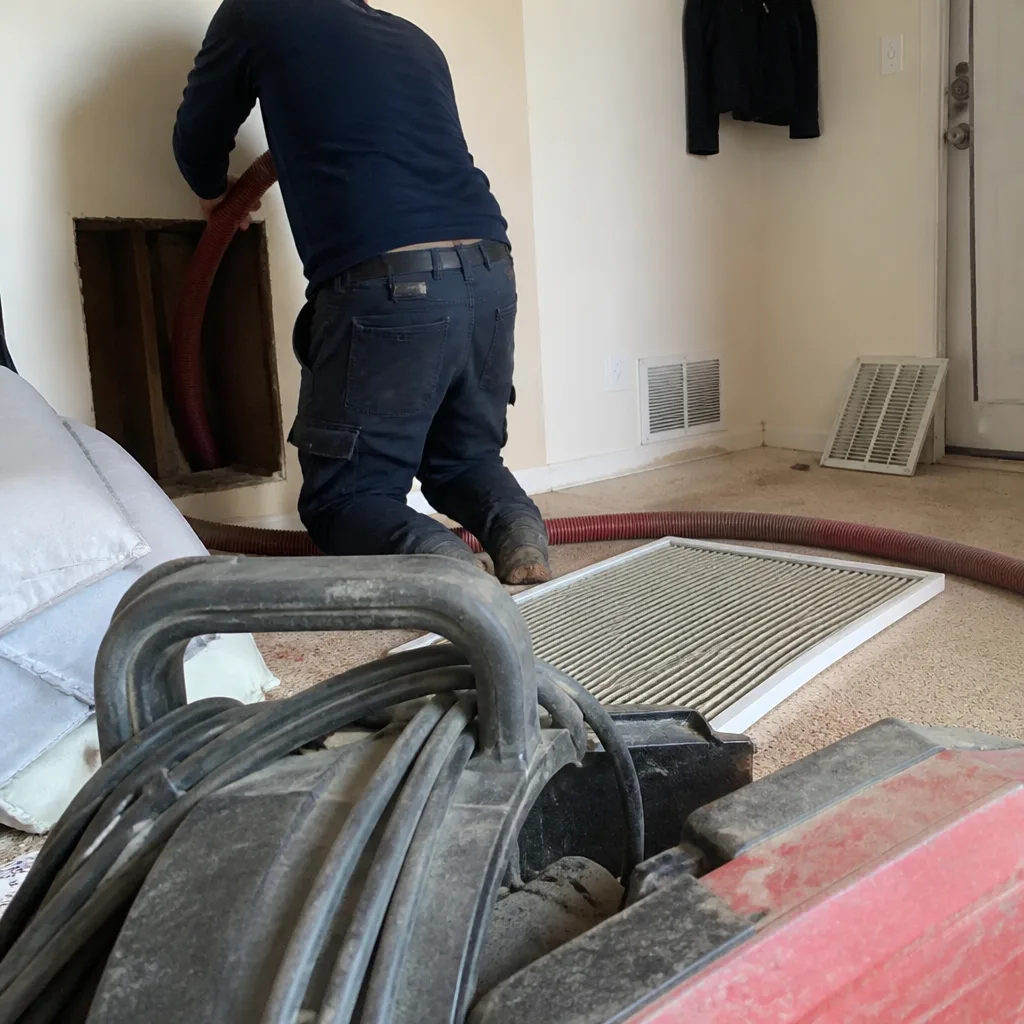 Before
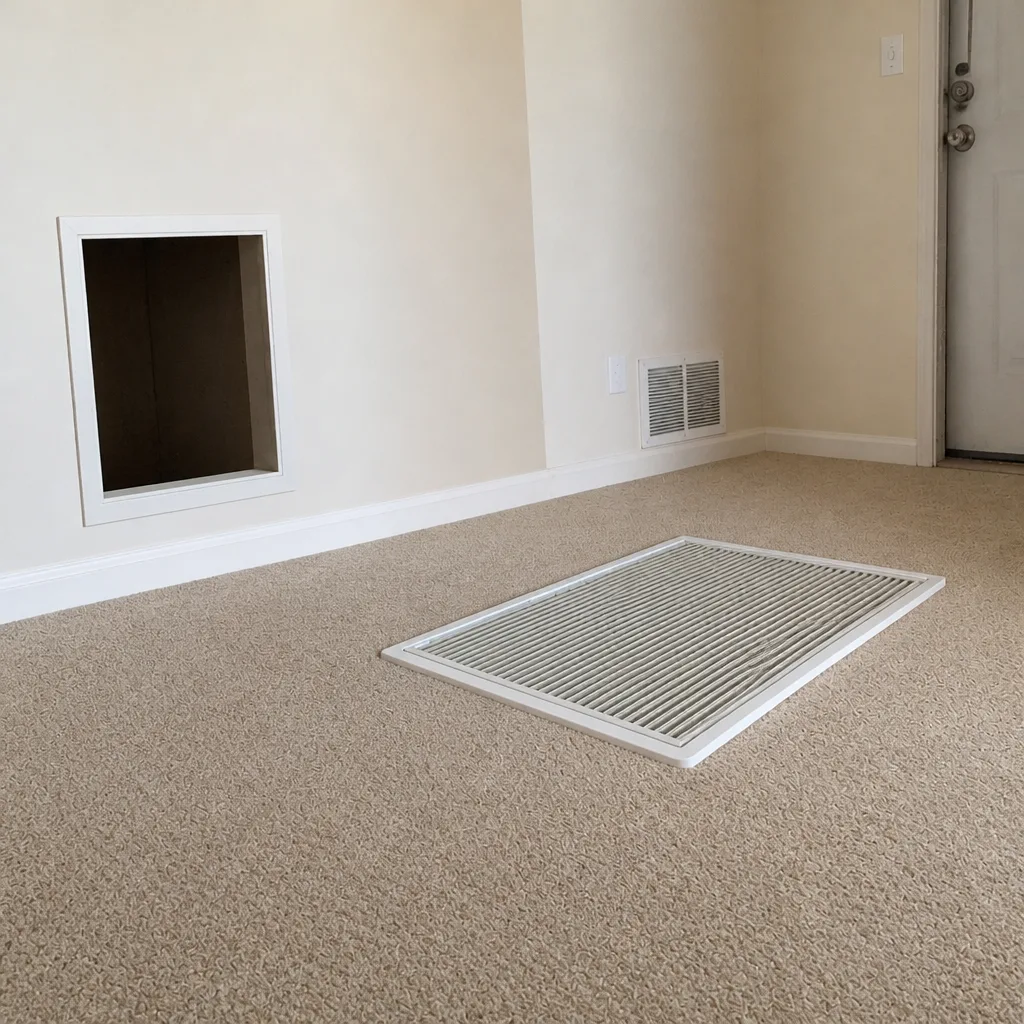 After
 Before
 After