
Last updated November 23, 2026
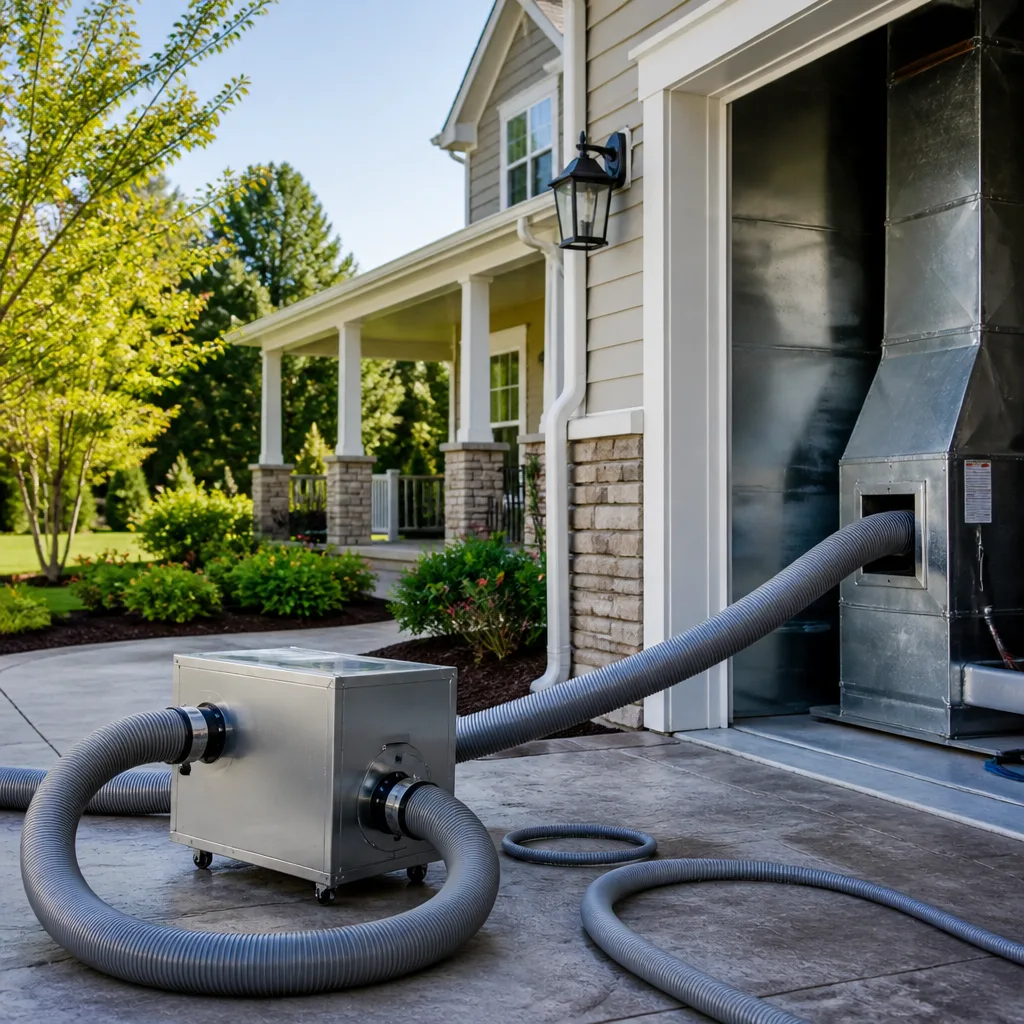 Whole-home duct cleaning
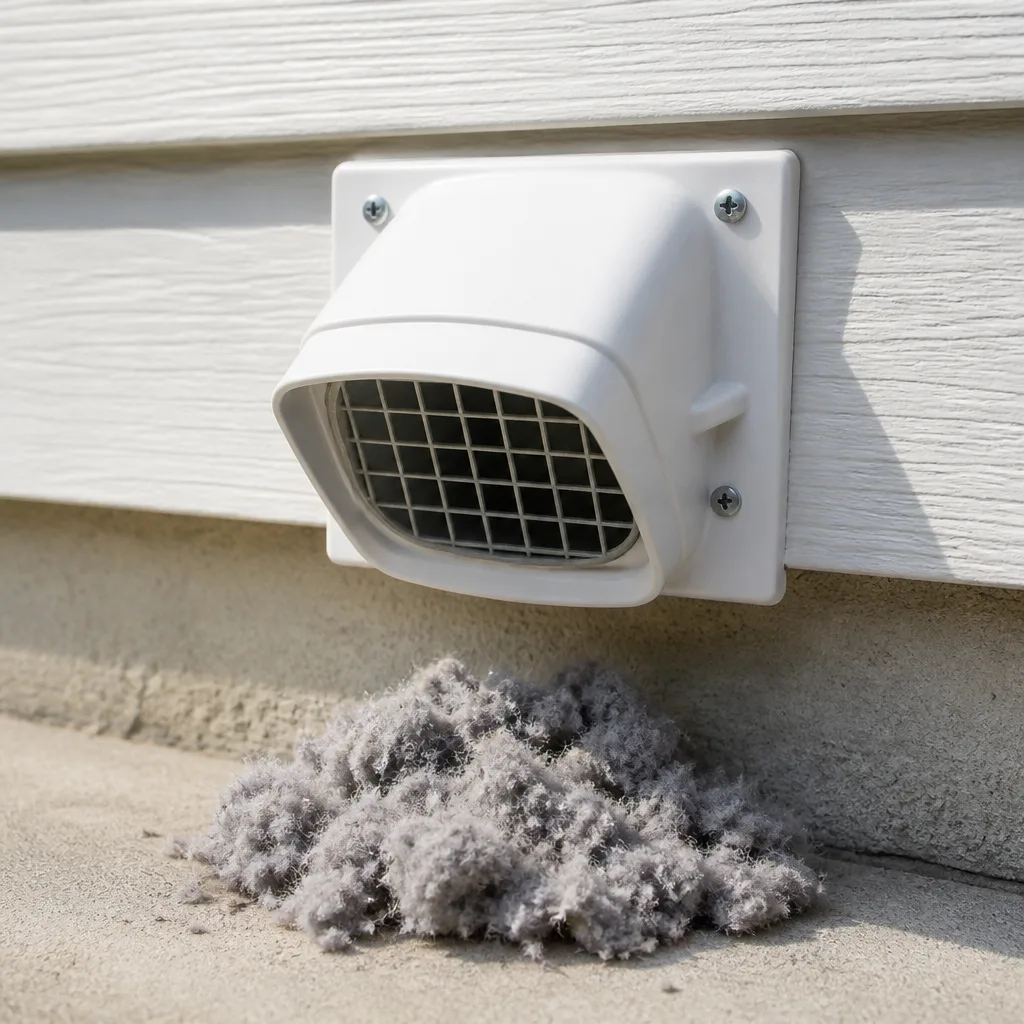 Dryer vent cleaning
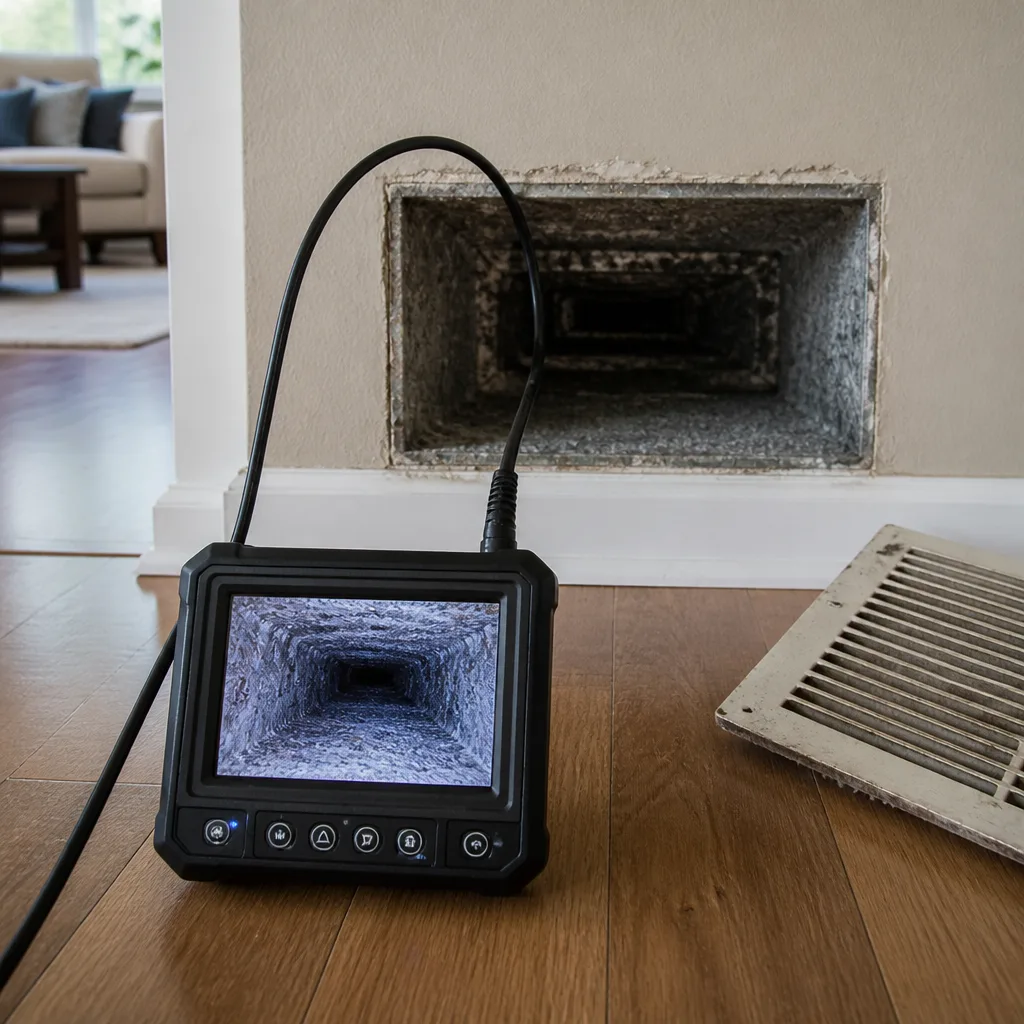 Camera inspection
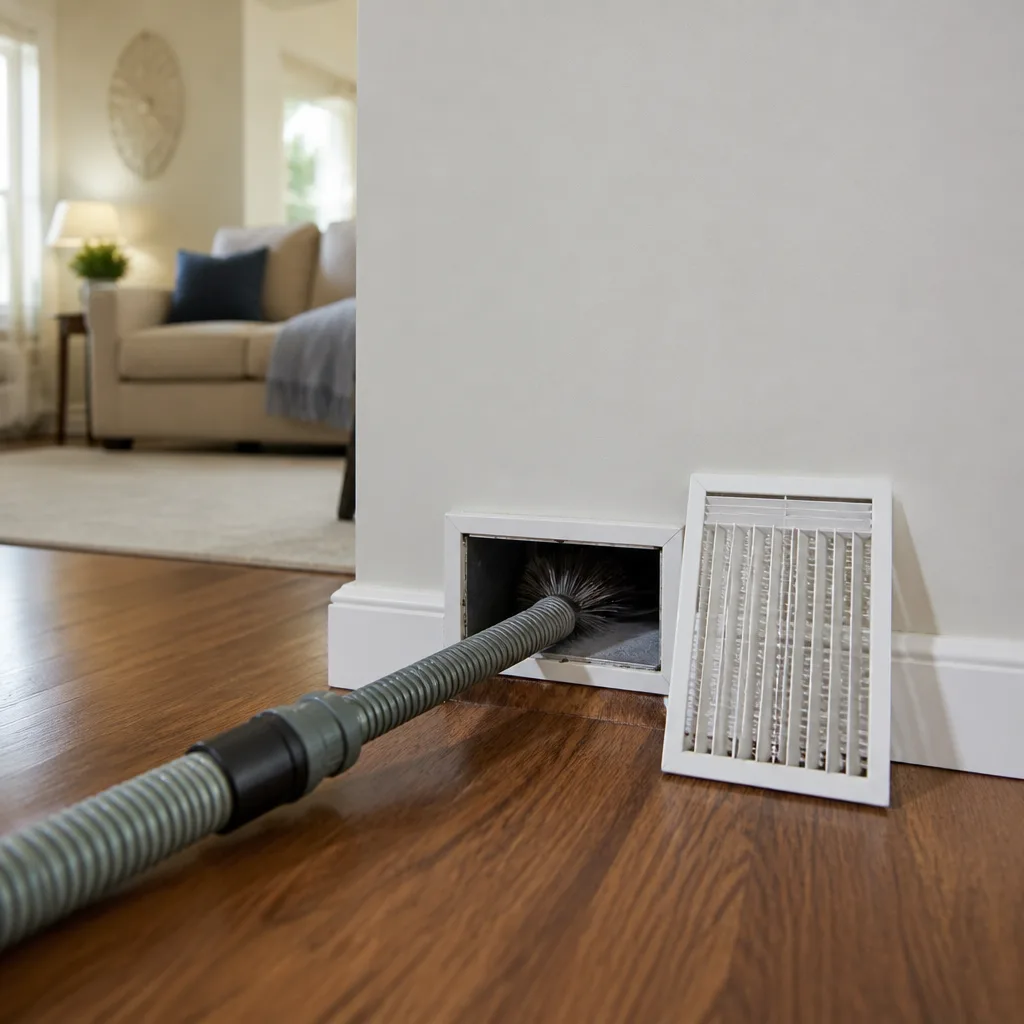 Sanitizing & deodorizing
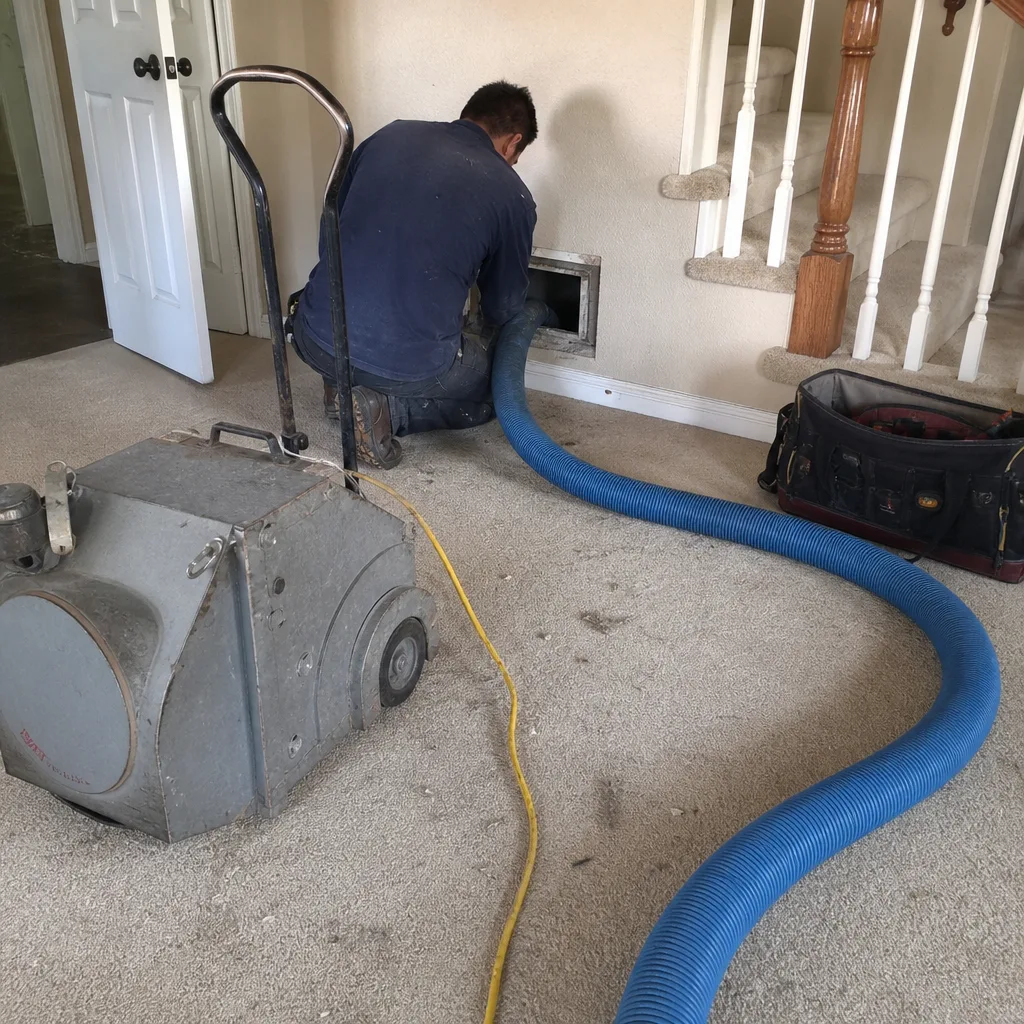
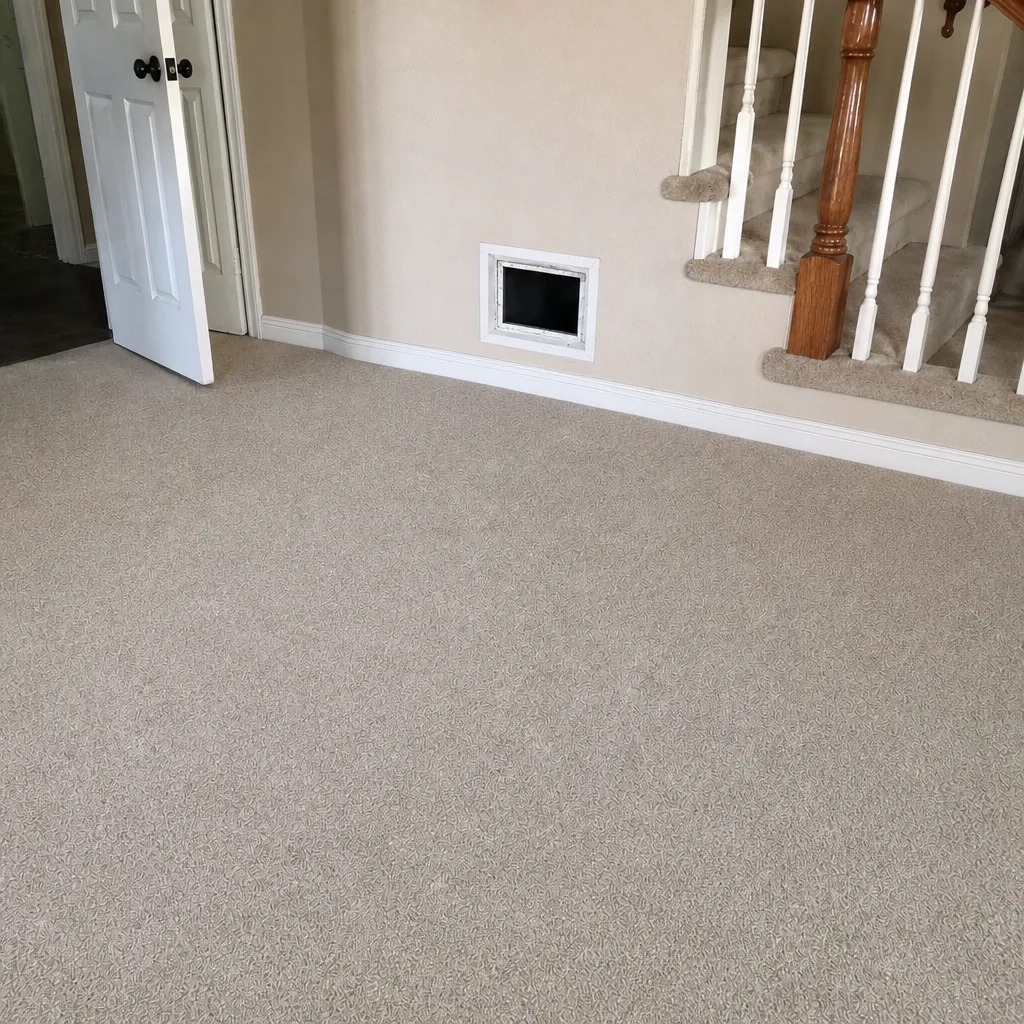
Whole-system duct and dryer vent check with before-and-after photos - you see exactly what came out of your vents
That "$99 whole-house special" is a bait ad - the real number appears once they are in your hallway, or the "clean" is a shop-vac at the register. We photograph the inside of your ducts before and after instead.
Air Duct Cleaning Troubleshooting in Westminster: Common Problems and How to Fix Them
If one room in your house is always about 5°F warmer than the thermostat setting, the problem is almost certainly in your ductwork, not your furnace. Homeowners in Westminster spend money on tune-ups and thermostat swaps while the real fault sits behind drywall: a crushed flex run, a separated joint, a return plenum pulling attic air. This guide maps the symptoms you’re noticing to the mechanical causes inside the duct system, explains which problems cleaning solves and which need repair first, and shows you how to tell the difference before you book anyone. Westminster’s high-altitude dry air plays a role too, and we’ll get to that.
Quick Answer
Most airflow, odor, and uneven-temperature complaints in Westminster trace back to duct-side problems: crushed or disconnected flex duct, failed mastic and gasket seals, biological growth at the evaporator coil, or a breached return plenum. Air duct cleaning fixes debris restriction and microbial growth; structural failures like collapsed runs or torn connections need Duct Repair & Sealing before cleaning will make any measurable difference. If your static pressure is high on both supply and return, the restriction is in the ducts, not the equipment.
Styles & brands we work with
- Whole-home duct cleaning
- Dryer vent cleaning
- Camera inspection
- Sanitizing & deodorizing
Table of Contents
- Symptom-to-Cause Matrix: What Your Ducts Are Telling You
- How to Read Static Pressure and Find the Restriction
- Why Westminster’s Dry Air Wrecks Duct Seals
- Cleaning-Solvable vs. Structural: Which Problem Do You Have?
- Decision Tree: Call a Duct Crew or an HVAC Tech First?
- Seven Signs Your Ducts Need Attention Right Now
- What a Proper Duct Cleaning Job Actually Involves
- Common Mistakes to Avoid
Symptom-to-Cause Matrix: What Your Ducts Are Telling You
Every duct complaint has a mechanical signature. Matching the symptom to the likely cause narrows the job before anyone opens a panel. Here’s the matrix we work from, based on what our technicians have found across thousands of homes over up to 15 years of field experience.
- Weak airflow at one or two registers, strong elsewhere: usually a collapsed or kinked flex duct run, a disconnected takeoff, or a damper stuck closed. The air handler is moving the right volume; it just can’t get where it’s supposed to go.
- Musty or locker-room smell when the system starts: biological growth on the evaporator coil or the coil-adjacent trunk. Condensate keeps that area damp, and dust that settles there feeds the growth. Cleaning the ducts without addressing the coil won’t clear the smell.
- Rattling or booming when the blower kicks on: loose sheet metal joints, unsecured trunk sections vibrating against framing, or a plenum panel that’s lost its fasteners. Steel ducts in attic or crawl assemblies work loose as the structure moves with temperature swings.
- Dust puffs at the registers on startup: a breached return plenum or a gap in the supply trunk pulling unfiltered air from attic, garages, or wall cavities. The system is pressurizing a dirty space and delivering it to you.
- Whole-house dust that returns days after cleaning: filtration holes or a missing filter gasket letting particulate bypass the filter and recirculate.
- Rising energy bills with no equipment change: leakage at joints and connections. A duct system running with open gaps is conditioning the attic instead of the living room.
Notice what’s missing from that list: the furnace or air handler. In our experience, most of what homeowners in Westminster call “HVAC problems” are distribution problems. The equipment runs fine. It’s just pushing air through a broken delivery network.
One symptom deserves its own callout: if you smell gas near a duct register or hear a whistle from a joint near the furnace, stop and treat it as a safety issue. We don’t touch gas lines, and neither should anyone without the proper licensing. Call your gas utility or a licensed mechanical contractor first, then worry about the ducts.
How to Read Static Pressure and Find the Restriction
Static pressure is the resistance air meets moving through the system. Measured with a manometer at the supply plenum and again at the return, it tells you whether the restriction is upstream of the blower, downstream, or both. That single data point separates a duct problem from an equipment problem faster than any other test.
Here’s how a technician approaches it:
- Drill test ports at the supply and return plenums close to the air handler. Sealed with plugs afterward.
- Run the system on high stage with a clean filter installed, and let it stabilize for a few minutes.
- Read total external static pressure. A typical residential system is designed to run inside a range the equipment manufacturer specifies on the data plate. If total static comes in well above that range, the system is working too hard to move air.
- Compare supply-side and return-side readings. High return-side resistance points to undersized or crushed return ducts, a clogged filter, or a restricted return grille. High supply-side resistance points to undersized trunk, crushed runs, or too many restrictive fittings downstream.
- Cross-check with a flow hood or pressure-compensated balometer at individual registers to find the rooms the system is starving.
What the readings mean in practice: if the return side is fine and the supply side is high, your problem is downstream, in the trunk or branch runs. If the return side is high, look at the filter, the return chase, or the grille before you look anywhere else. And if both sides read high with a clean filter and open dampers, the ducts themselves are undersized or obstructed, which is a repair conversation, not a cleaning one. A manometer reading is not a DIY project for anyone uncomfortable drilling into plenums. We do this test as part of every assessment, and it steers everything that comes after.
Why Westminster’s Dry Air Wrecks Duct Seals
Westminster sits at high altitude in a semi-arid climate, and that has real consequences for duct longevity that coastal-city guides never mention. The air here is dry most of the year, and it’s paired with wide day-to-night temperature swings. Two things happen to duct systems in that environment.
First, mastic and gasket materials go through constant expansion and contraction cycles. Mastic that stays pliable in humid climates dries out, cracks, and peels at the seams faster here. The same goes for the foam gaskets behind register boots and the tape at flex duct collars. A joint that was sealed tight a few heating seasons ago can be a leak today.
Second, static electricity. Dry air increases static charge along metal duct runs, and charged surfaces attract more dust than neutral ones. That’s part of why ductwork in Westminster can load up with dust faster than the same system in a more humid region. It isn’t that your home is dirtier. The climate is doing extra work on the duct surfaces.
What this means for your maintenance schedule:
- Inspect and reseal accessible joints in the attic and crawl spaces more often than coastal-climate advice suggests.
- Watch for tape lifting at flex collars; that’s the first place dry-out shows.
- Don’t assume a five-year-old install is still airtight at the seams. Material life is shorter here.
- Plan filtration upgrades (Honeywell or Aprilaire media cabinets) to catch what the charged duct surfaces attract.
We factor climate into the air duct cleaning plan for every Westminster home. A house in a dry, high-altitude neighborhood needs a different attention cadence than the generic annual-reminder advice you’ll find online.
Cleaning-Solvable vs. Structural: Which Problem Do You Have?
The most expensive mistake in this trade is selling a cleaning for a problem only a repair will fix. Debris restriction and biological growth are cleaning problems. Crushed, disconnected, or undersized duct is a structural problem. Cleaning a collapsed run makes it a clean collapsed run. It doesn’t restore airflow.
Cleaning solves these:
- Accumulated dust, construction debris, and pet hair restricting flow.
- Biological growth on coil-adjacent surfaces and trunk interiors.
- Odor sources from debris sitting in low spots or dead-end branches.
- Dust loading on charged metal duct interior surfaces (the dry-air factor above).
- Dryer vent lint accumulation (a separate service, but the same principle: debris removal solves it).
Repair fixes these, and cleaning should wait until the repair is done:
- Collapsed, crushed, or kinked flex duct in the attic or crawl space.
- Disconnected takeoffs and separated trunk sections.
- Torn or missing register boots and plenum panels.
- Failed mastic and tape at accessible seams.
- Undersized return chases starving the system, which no amount of cleaning will solve.
Here’s the practical rule: if the static pressure test shows a restriction that cleaning can’t resolve, we tell you before we start. The scan can see down the run; if the duct is crushed at 20 feet into the attic, cleaning it first wastes your money and our time. We repair what we find, then clean, then verify. That order matters. Surface cleaning over a broken duct is the industry’s bait-and-switch special.
Decision Tree: Call a Duct Crew or an HVAC Tech First?
Sort your symptoms into two buckets: the air handler and the distribution system. If the equipment runs, heats and cools, and shots nothing, the ducts are suspect. If the equipment itself is failing, a licensed HVAC tech comes first, then we clean and seal afterward. Here’s the sequence.
- Does the air handler run and produce conditioned air? If it won’t start, trips breakers, or blows warm air on a cooling call, call an HVAC tech. Duct work can’t fix a dead compressor or a failed control board.
- Is the temperature even at the air handler discharge but uneven at registers? That’s distribution. A duct crew reads static pressure and inspects the runs.
- Do you smell musty air at startup? Duct crew first, with a coil-and-trunk assessment on the list.
- Do you hear rattling or booming at blower startup? Duct crew first. Loose sheet metal joints need resealing and securing.
- Do you see dust puffs at registers when the system cuts on? Duct crew first. Return plenum breach is the prime suspect.
- Are you seeing ice on the coil or a water stain near the air handler? HVAC tech first. That’s an equipment or drainage issue, and duct work after.
- Is there a gas smell near any duct or the furnace? Stop. Call your gas utility or a licensed mechanical contractor before anything else.
In our experience, roughly four out of five calls we take for “weak airflow” or “hot rooms” end up being duct-side, not equipment-side. The tune-up appointment was booked because that’s the default answer. Static pressure and a duct scan say otherwise fast. One call to a duct crew who reads pressure first saves you an equipment appointment you didn’t need.
Seven Signs Your Ducts Need Attention Right Now
Persistent symptoms are the strongest argument for an assessment. One occasional dust puff during a filter change is normal. A pattern that shows up every day is not. Here are the signs we treat as actionable, in the order of how often they point to a real, fixable problem.
- Consistent room-to-room temperature spread of 5°F or more. One room that never matches the thermostat, season after season, is a distribution fault.
- Musty smell in the first minutes after the system starts. Whenever the blower wakes up and something smells, the coil-adjacent duct or the coil itself is suspect.
- Dust settling on horizontal surfaces within days of cleaning. The system is recirculating particulate instead of filtering it. Usually a return-side breach or a filter bypass.
- Rising energy bills with no rate change and no equipment change. Leaky ducts are the quiet culprit. Conditioned air is escaping into attic and wall cavities.
- Rattling, booming, or whistling at the register. Loose joints, undersized supply, or a damper stuck half-closed.
- Visible dust or debris at the register grille itself. If debris is visible at the register, the run behind it is loaded. The visible pileup is the endpoint of a full run’s worth of accumulation.
- Dryer taking two cycles to dry a load. That’s a dryer vent issue, not an air duct one, but it lives in the same system and deserves a dryer vent cleaning look before it turns into a fire hazard.
Two or more of those at once is a pattern, not a coincidence. That’s when a full assessment pays for itself in the first visit.
What a Proper Duct Cleaning Job Actually Involves
Proper duct cleaning is a controlled process with containment, negative air, and verification. It isn’t a shop vac and a hand brush. A crew that shows up with consumer-grade equipment will either miss the loaded surfaces or spread debris through the house. Here’s what a legitimate job looks like from a crew running Rotobrush and Nikro gear with Abatement Technologies containment.
- Pre-job photos and a static-pressure baseline. You see what we see before anything gets touched.
- Set negative-air containment with Abatement Technologies machines at the work area. The work zone stays under negative pressure so debris and dust get pulled into the HEPA filter, not into your living room. A lot of crews skip this entirely; it’s the single biggest difference between a clean job and a mess one.
- Seal registers and cut access points. Every opening gets capped or connected except the one being worked.
- Run a Rotobrush rotary-brush through the supply and return runs. Mechanical contact is what actually breaks loose the caked material on duct walls. Air-only cleaning moves the light dust and leaves the adhered layer. The rotary brush does the real work.
- Pull loosened debris with Nikro HEPA-rated vacuum equipment. HEPA filtration matters because fine particulate in old ducts includes things you don’t want recirculating through a shop vac.
- Sanitize with Guardsman products where microbial growth was present. This is part of our Air Quality & Sanitizing service. We use it where the scan and the coil inspection find biological growth, not as a default upsell.
- Reseal accessible joints with mastic or foil tape as we close up. Cleaning without sealing means the next leak recontaminates the run.
- Post-job photos and a second static-pressure reading. You see the difference in the readings and in the photos of your own ducts, before and after. If the numbers don’t improve, we say so.
That’s a much slower process than a coupon-van cleaning, and it should be. Proper duct cleaning is a real day of work in a home. The alternative is a crew that runs air and calls it done in 40 minutes.
Common Mistakes to Avoid
- Booking the cheapest quote without asking what equipment they use. If a crew can’t name Rotobrush, Nikro, or an equivalent, they’re probably running a shop vac. Ask specifically what covers the containment step, because it’s the one most often skipped.
- Cleaning before repairing. A cleaning over a crushed run cleans debris that will be recontaminated the moment the run is fixed and the system runs. Repair and seal first in Westminster homes where the dry air has already cracked the mastic.
- Assuming a tune-up will fix uneven rooms. A tune-up checks the air handler. If the problem is downstream, the furnace was never the issue. Read the static pressure first, then decide who to call.
- Ignoring the dryer vent because “the ducts got cleaned.” Dryer vents are a separate run; lint builds up here faster in dry air, and it’s a fire risk. Get it on the same visit if a crew offers HVAC cleaning alongside.
- Treating a musty smell with a plug-in air freshener. The smell is coming from the coil-adjacent trunk. Masking it doesn’t change the source, and the growth keeps growing.
- Skipping the post-job verification. If a crew won’t show you before-and-after photos of your own ducts and a second static reading, you’re guessing whether the work happened. Insist on both.
- Sealing leaky joints with duct tape from the hardware store. The cloth-backed stuff fails within a season. Proper mastic and foil tape are what hold, and that’s a repair a competent crew should do while the ducts are open.
See the difference
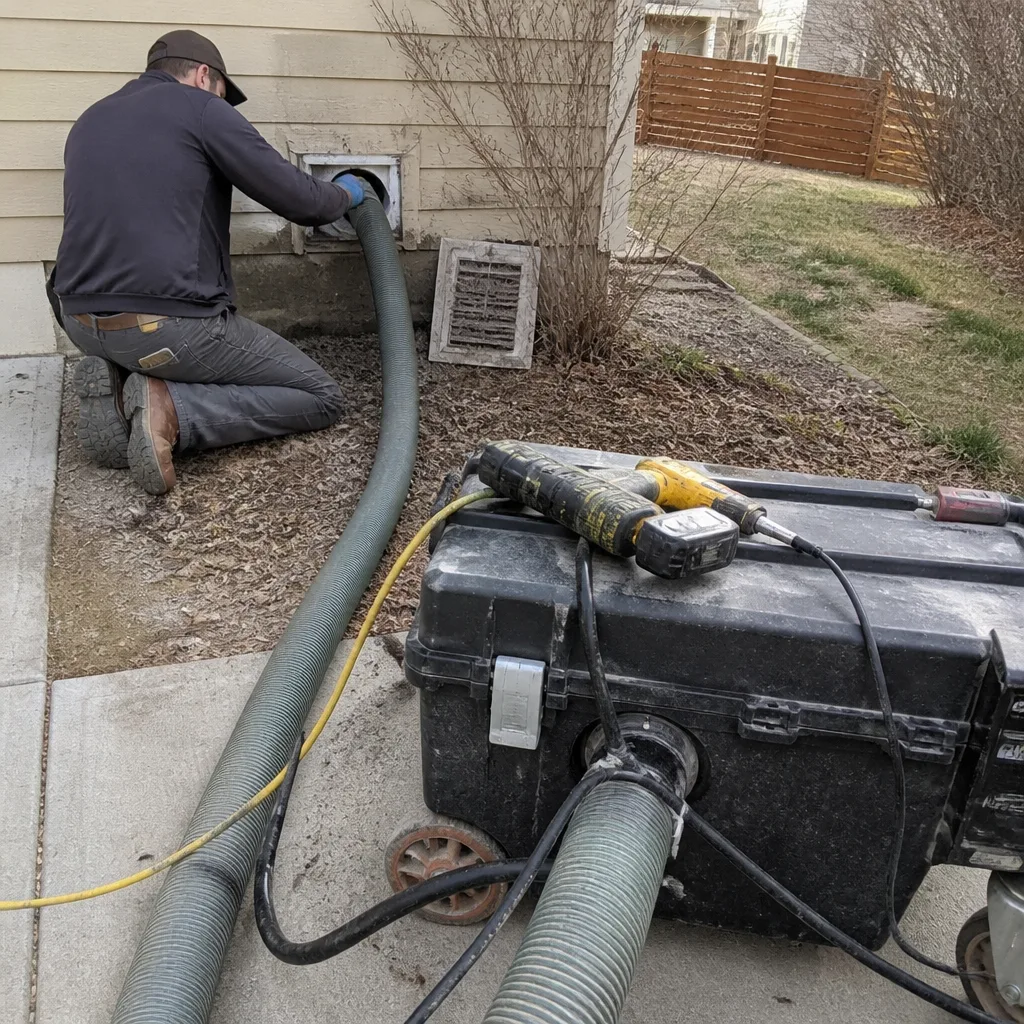 Before
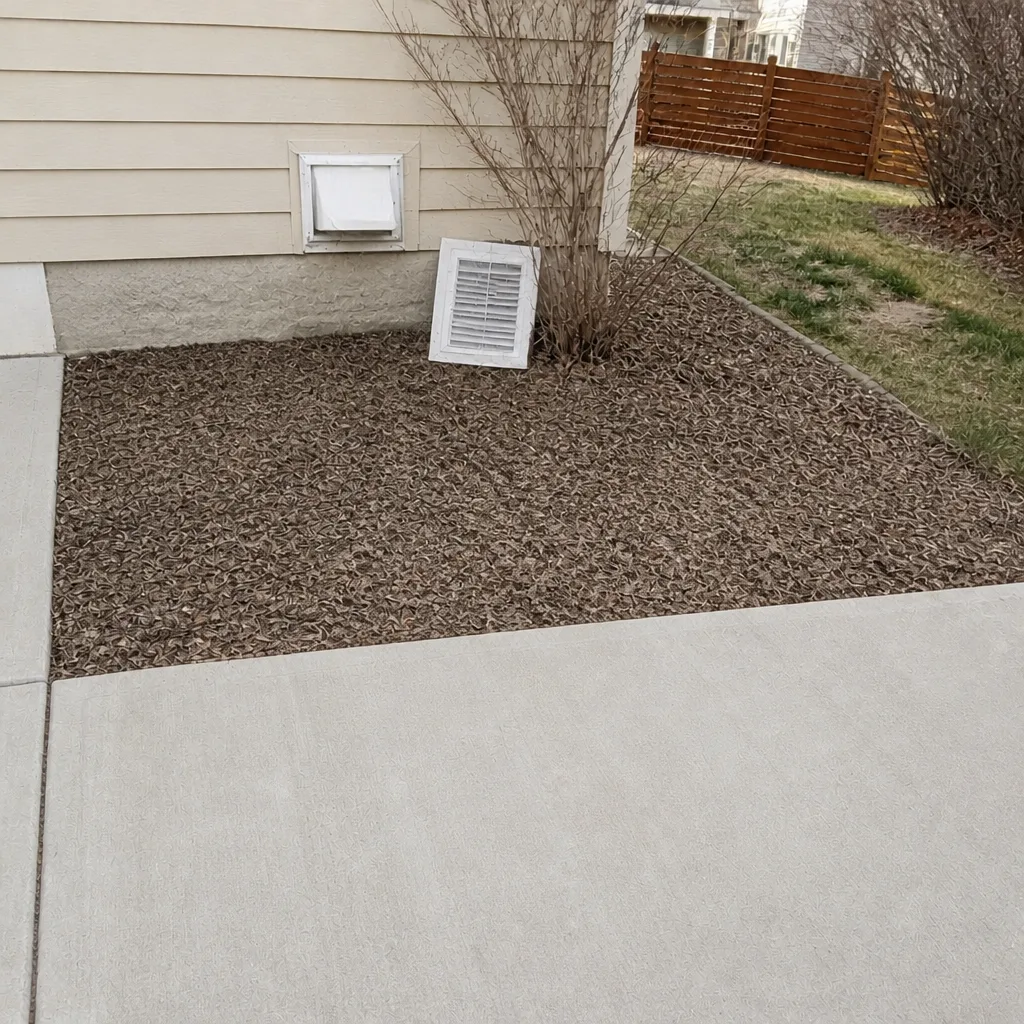 After
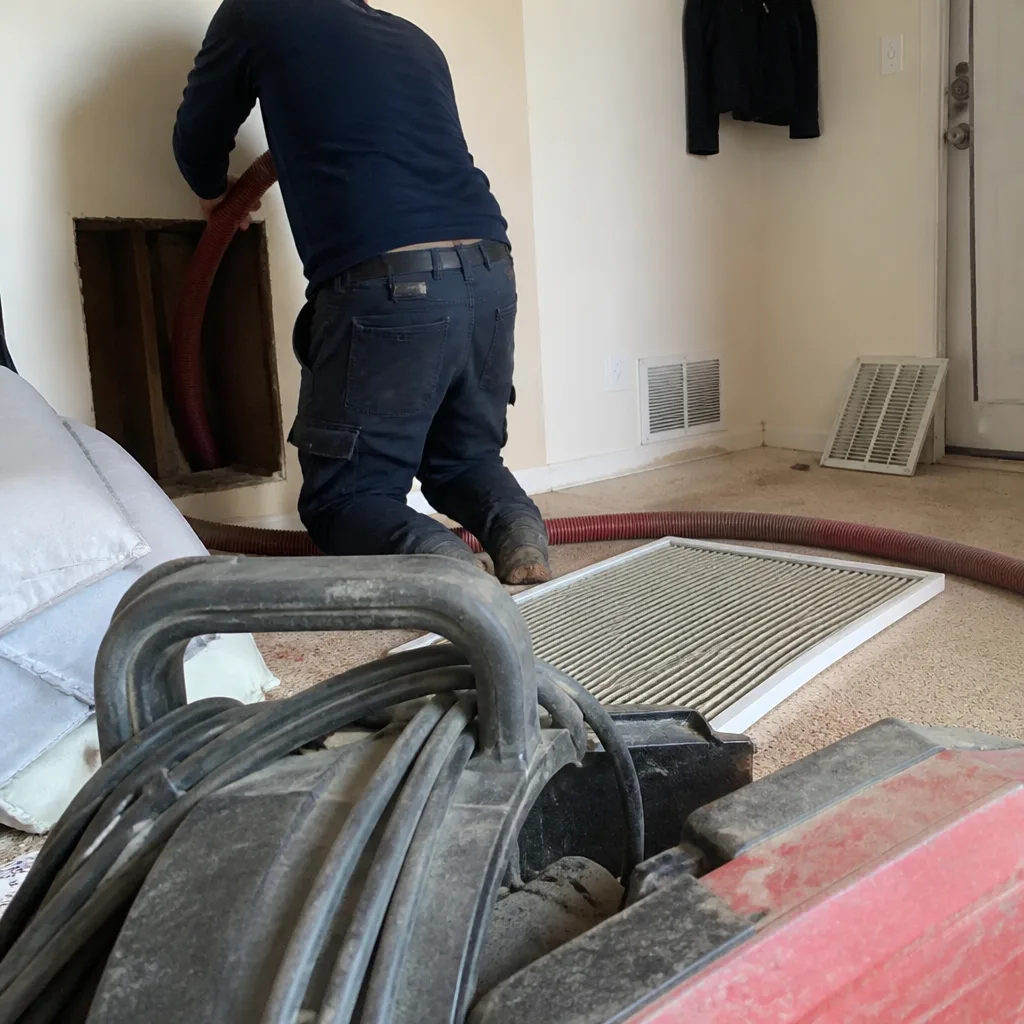 Before
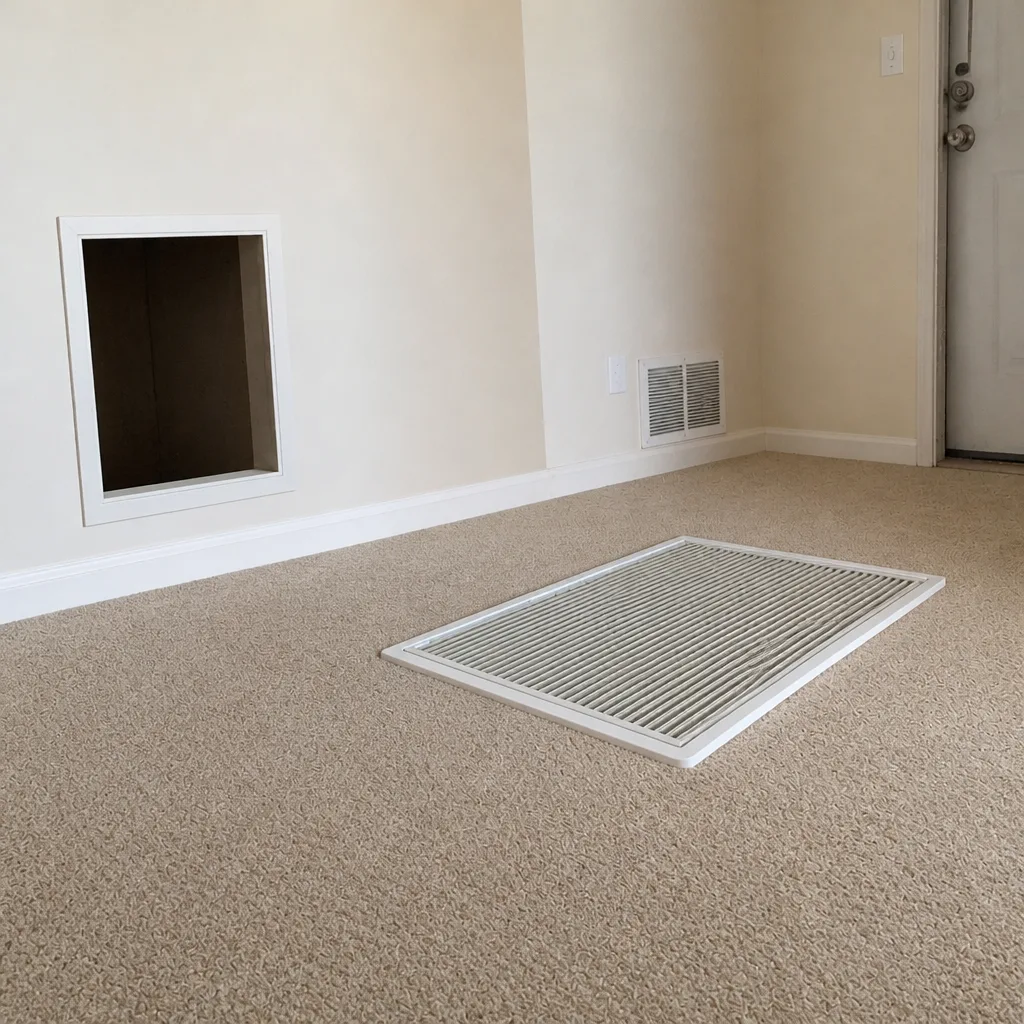 After
 Before
 After
When to Call a Professional
Call a duct professional when you have a pattern, not an incident. A room that never matches the thermostat. A musty smell every time the system wakes up. Dust returning within days. Rising bills with no explanation. Rattling at startup. Any of those alone is a reason to get an assessment; two or more together is a reason to book one soon. Call a licensed HVAC tech first if the equipment itself is failing, and stop immediately for any gas smell. Air Duct Cleaning Westminster Pros offers free estimates in Westminster. Our technicians have up to 15 years of experience with Rotobrush, Nikro, and Abatement Technologies equipment, and we quote one flat price per system from the written estimate. Call (855) 337-2019. We answer 24/7. Fast dispatch from 7am to 7pm, Sunday through Friday.
If you want the bigger picture on what clean, sealed, sanitized ductwork does for a Westminster home, read Air Duct Cleaning Westminster Pros before you book a call.
Frequently Asked Questions
A whole-system cleaning is quoted per system, not per vent, and the written estimate sets the final price. That flat-price structure is a direct answer to the industry’s bait-and-switch reputation: a low coupon figure that turns into a much bigger invoice once the technician is on site. We quote from a static-pressure read and a duct scan before any work starts. Call (855) 337-2019 for an exact quote. Estimates are free.
They usually skip containment and skip the rotary brush. A cheap quote often means air-only cleaning with no Abatement Technologies negative-air setup, which pulls light dust but leaves the caked layer on the duct walls and can spread debris through the house. Rotobrush rotary brushing and Nikro HEPA vacuuming take real time. Compare equipment and process, not price alone. Call (855) 337-2019 to compare quotes line by line.
You get before-and-after photos of your own ducts plus a second static-pressure reading. That’s the verification we build into every job. If the readings don’t improve, we say so. A crew that won’t show you photos and a follow-up pressure reading is asking you to trust them on the invoice alone. Call (855) 337-2019 to see how we verify.
It depends on the home and the system, not a calendar reminder. Westminster’s dry air loads duct surfaces with dust faster than humid climates, so the interval here can be shorter than generic annual advice suggests. A dry, high-altitude home with pets may need a look sooner than a humid one with the same square footage. We’d rather look and tell you the truth than upsell on a schedule. Call (855) 337-2019 for an honest assessment.
Only if the cause is debris restriction. If the room that runs hot is fed by a crushed or disconnected flex run, cleaning it won’t help until that run is repaired and resealed. The static-pressure test tells you which case you’re in before you spend a dollar. That’s exactly why we read pressure before recommending cleaning, and why we quote Duct Repair & Sealing alongside when we find structural problems.
Yes, when the source is inside the ducts or on the coil-adjacent surfaces. Cleaning with Rotobrush and Nikro equipment removes the accumulated debris and growth that get pushed into living spaces, and we use Guardsman antimicrobial products in the Air Quality & Sanitizing service where we find microbial growth. If the source is a failing coil or a water leak, that needs the equipment side addressed too. Call (855) 337-2019.
The Bottom Line
The next time a room runs hot or the system starts smelling musty, reach for static pressure, not a tune-up receipt. The matrix in this guide maps the symptom, the pressure test locates the restriction, and the repair-versus-clean call comes before any work. Westminster’s dry air makes gasket and mastic failure a fact of life here, so sealing belongs in the same conversation as cleaning. One crew that reads pressure, repairs what it finds, cleans with Rotobrush and Nikro gear, and sanitizes with Guardsman finishes the whole job, start to finish, with before-and-after proof. Call (855) 337-2019. We answer 24/7. Fast dispatch from 7am to 7pm, Sunday through Friday.
Written by the team at Air Duct Cleaning Westminster Pros.